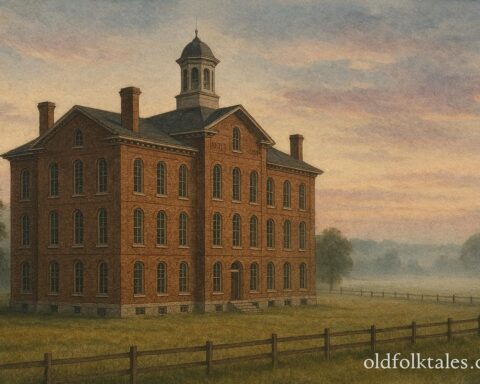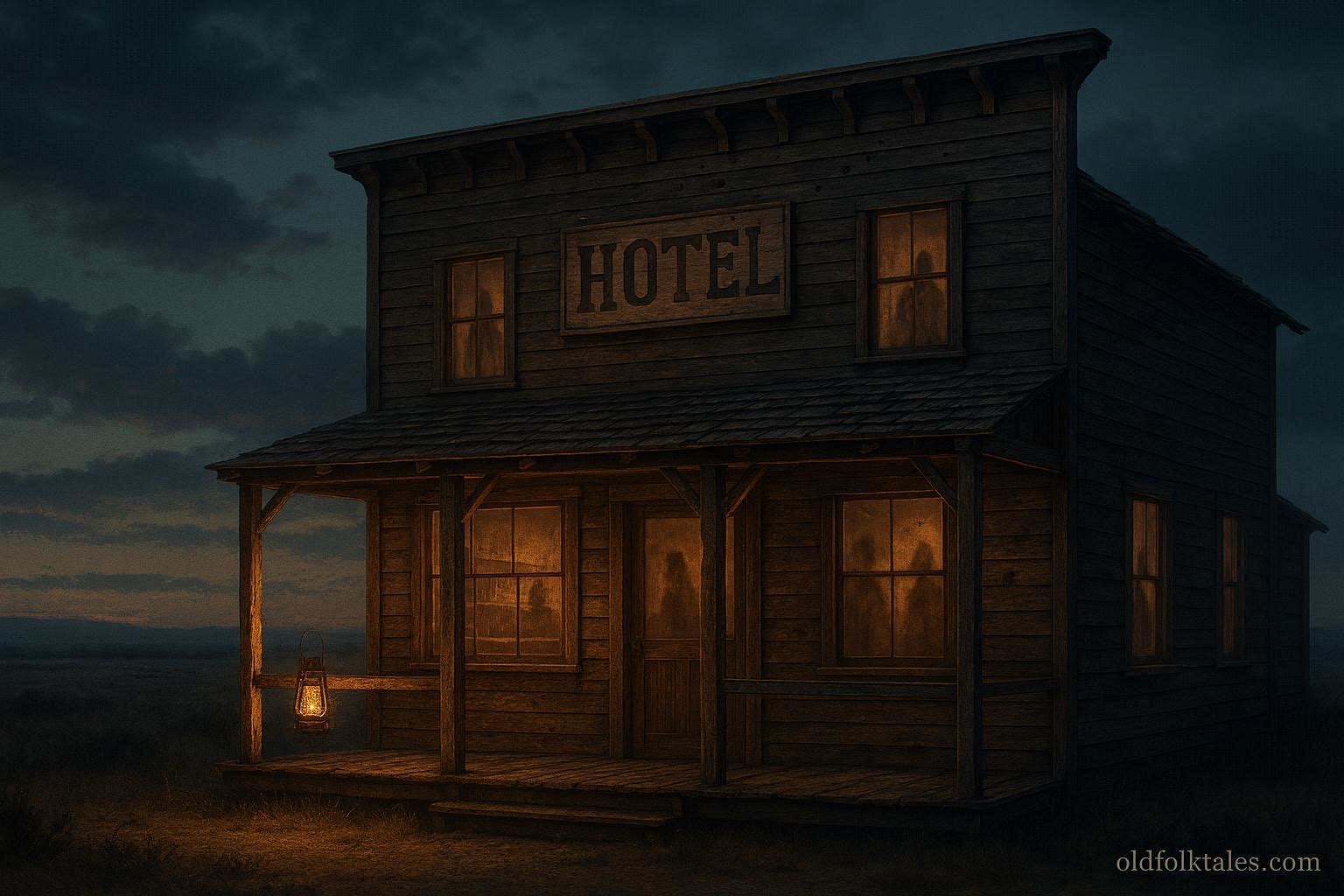
In the high plains of northeastern New Mexico, where the Sangre de Cristo Mountains fade into open grassland, the town of Cimarron once stood at the edge of American law. Wagon trails converged there, cattle drives passed through, and men carrying guns arrived faster than rules could follow. At the center of this restless crossroads stood a long wooden building that promised shelter but delivered something far heavier. This was the St. James Hotel.
When the hotel first opened in the late nineteenth century, it was not meant to become infamous. It was built to serve travelers, traders, soldiers, gamblers, and ranch hands moving along the Santa Fe Trail. The building offered food, drink, warmth, and beds in a region where such comforts were scarce. But in a frontier shaped by sudden wealth, rivalry, and weak law enforcement, places like the St. James quickly became stages for conflict.
The barroom was the heart of the hotel. Long after sunset, lantern light spilled across the floor as men gathered to drink and gamble. Cards slapped against tables, boots scraped the wood, and arguments rose quickly when money or pride was involved. Many guests arrived already armed. Some carried grudges from towns far away. Others came seeking advantage in a land where reputation mattered as much as accuracy with a gun.
Explore the heart of America’s storytelling — from tall tales and tricksters to fireside family legends.
Violence did not creep into the St. James Hotel quietly. It arrived openly, often without warning. Disputes that might have ended in words elsewhere ended in gunfire here. Shots echoed through the bar, and bullets tore into the ceiling beams above. Remarkably, many of those bullet holes remain visible today, deliberately preserved as silent witnesses to the past.
Over time, the hotel became associated with dozens of violent deaths. Some occurred during gambling disputes. Others were tied to feuds, mistaken identities, or drunken bravado. In several cases, men were killed not for money but for pride alone. The frontier culture surrounding Cimarron rewarded displays of toughness, and hesitation could be interpreted as weakness. The St. James did not create this violence, but it concentrated it.
One room in particular became central to the hotel’s dark reputation. Room 18, located on the upper floor, was reportedly the site of multiple deaths. Guests who slept there described unease, restless nights, and the sense of being watched. Some claimed objects moved on their own. Others reported sounds of footsteps or knocking when no one was present. While such experiences are often framed as ghostly encounters, local interpretations tend to focus less on spirits and more on lingering unrest.
In regional folklore, the St. James Hotel is not simply haunted by individuals. Instead, it is described as holding the memory of violence itself. The land, the walls, and the rooms absorbed years of fear, anger, and bloodshed. According to this view, places that witness repeated wrongdoing do not forget. They retain impressions, much like scars.
As the frontier era faded and formal law enforcement strengthened, Cimarron grew quieter. Gunfights became rare, and the hotel transitioned into a more peaceful establishment. Yet stories persisted. Staff members reported lights turning on by themselves. Guests heard voices or felt sudden coldness in certain rooms. Room 18 remained the most frequently mentioned, though other parts of the hotel carried their own reputations.
Importantly, the hotel’s legends are not told with celebration. Unlike tall tales that glorify frontier violence, these stories often carry a tone of warning. They remind listeners that the freedom of the frontier came at a high cost. Lawlessness brought opportunity, but it also bred suffering that did not vanish when the last shot was fired.
Today, the St. James Hotel stands as both a historic landmark and a cultural reminder. Visitors come seeking history, curiosity, or understanding of the American frontier’s complexity. The preserved bullet holes above the bar serve as undeniable evidence that the stories are rooted in fact. They are not inventions but echoes.
The hotel’s continued presence in American folklore reflects a broader truth found in many traditions. Places shaped by repeated moral failure tend to gather stories around them. These narratives function as communal memory, teaching future generations what happens when violence becomes routine and justice is left unresolved.
The St. James Hotel is not remembered because ghosts wander its halls. It is remembered because it represents a moment in American history when progress raced ahead of restraint, and consequences followed slowly behind.
Discover chilling ghost tales and haunted places that echo through America’s towns and countryside.
Moral Lesson
The story of the St. James Hotel teaches that violence and unresolved wrongdoing do not disappear with time. Communities that normalize brutality and lawlessness leave lasting marks on people and places. True progress requires accountability, restraint, and respect for human life, or history will continue to echo its consequences.
Knowledge Check
- Why did the St. James Hotel become a center of violence during the frontier era?
Because it served armed travelers in a lawless region where disputes were often settled through force. - What physical evidence inside the hotel confirms its violent past?
Bullet holes preserved in the ceiling above the bar. - Why is Room 18 considered especially significant?
It is associated with multiple violent deaths and reports of unexplained disturbances. - How do local interpretations of the hauntings differ from typical ghost stories?
They emphasize lingering unrest and memory rather than individual spirits. - What role did frontier justice play in shaping the hotel’s history?
Limited law enforcement allowed personal vengeance to replace formal justice. - What broader lesson does the St. James Hotel represent in American folklore?
That unresolved violence leaves lasting impressions on places and communities.
Source
Adapted from New Mexico State University folklore and territorial history archives
Cultural Origin
19th-century American Southwest frontier