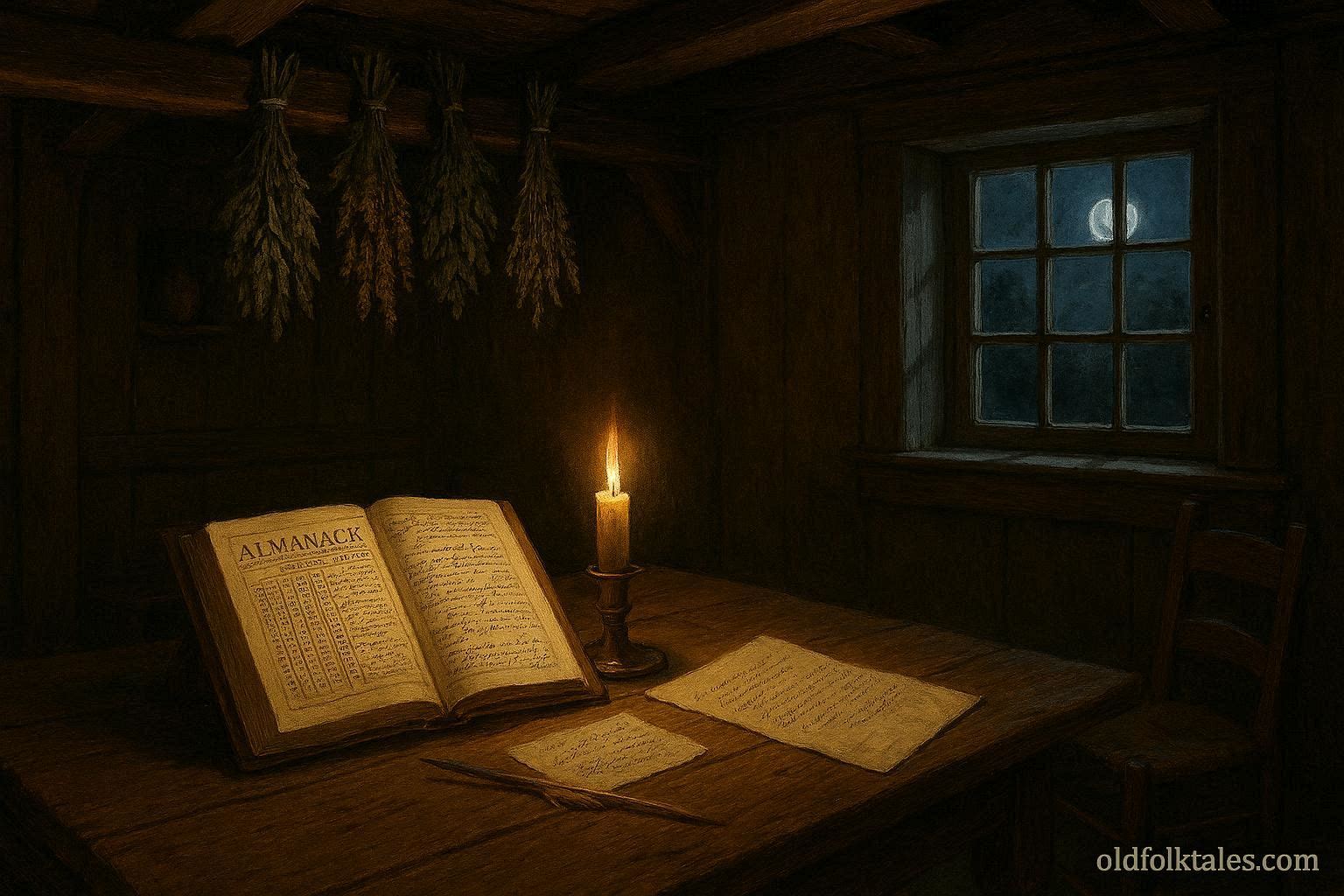
In the villages of colonial New England, long before doctors traveled with leather bags and metal instruments, knowledge often lived on kitchen shelves. It sat beside candles and dried apples, bound in paper covers, marked with notes in fading ink. These books were almanacs, and for many families they served as calendars, weather guides, farming manuals, and medical references all at once.
Among those who relied on them most was a man known locally as the Almanac Doctor.
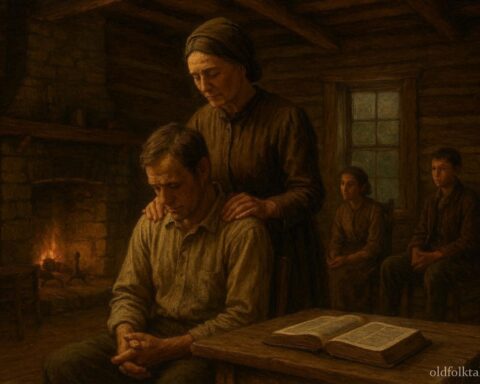
He was not a physician by formal training, nor did he claim divine authority. His reputation rested instead on careful observation, memory, and patience. He watched the moon’s phases, noted the changing winds, and paid close attention to how the human body responded to the turning of the year. To him, illness was rarely sudden. It followed patterns, just like frost and thaw.
The Almanac Doctor lived at the edge of a small New England settlement, where fields met forest. His home was modest, but his shelves were heavy with books. Some were inherited, others traded for grain or labor. Each almanac was annotated in the margins with dates, symbols, and remarks passed down through generations.
Explore ancient Native American creation myths and the symbolic tales that shaped America’s belief systems.
When neighbors fell ill, they came not for dramatic cures, but for guidance.
One autumn, a fisherman named Elias sought the doctor’s help. Elias suffered from aching joints and breathlessness that worsened with the damp air. The Almanac Doctor did not rush to prepare a remedy. Instead, he asked questions. When did the pain begin? Did it worsen at dawn or dusk? What was the wind like when Elias worked near the water?
After listening, the doctor consulted his almanac. He traced his finger along the lunar calendar and nodded. “Your body is fighting the season,” he said. “We treat it when the moon wanes, not when it grows.”
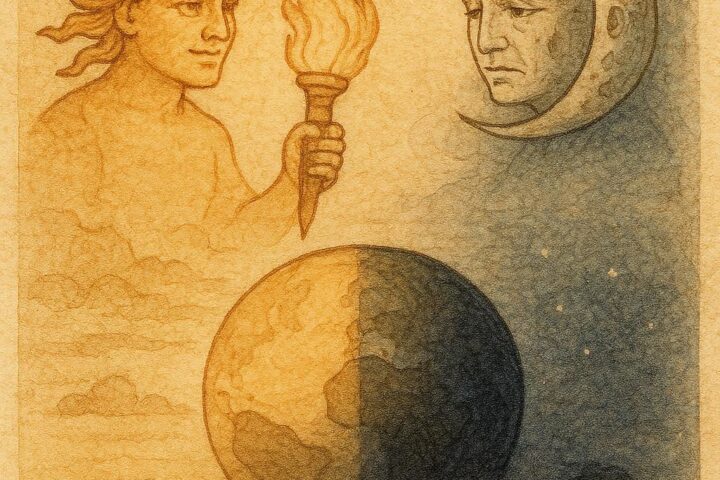
In this tradition, timing mattered as much as treatment. Bloodletting, herbal infusions, and poultices were all administered according to lunar phases and seasonal cycles. The belief was not mystical in the modern sense, but rhythmic. The body, like the land, responded to cycles of expansion and rest.
The Almanac Doctor believed that certain illnesses should be eased, not forced away. Fevers were allowed to break naturally. Colds were treated with warming herbs gathered at precise times. Roots dug under a full moon were thought to carry different properties than those harvested under a new one.
Women often sought his counsel for childbirth and recovery. He advised rest during specific lunar alignments and recommended teas brewed from plants dried in late summer rather than spring. His treatments were gentle, focused on balance rather than control.
Not everyone trusted him. Some accused him of clinging to outdated beliefs. Others feared his methods bordered on superstition. Yet, when outbreaks of illness swept through the settlement, his home filled with visitors. Results, even modest ones, earned respect.
The Almanac Doctor kept meticulous records. He noted when remedies worked and when they failed. Over time, his almanacs became layered documents—printed knowledge overlaid with lived experience. In the margins were reminders: “Cold worsens after first frost,” or “Children recover faster when rested before harvest ends.”
His practice reinforced discipline. Patients were expected to follow instructions carefully. Eating certain foods at the wrong time or ignoring seasonal advice could undo progress. Healing was a partnership, not a transaction.
Winter tested his philosophy most harshly. Supplies were scarce, illness common. He urged prevention above all else. Homes were to be sealed against drafts before the first snow. Diets adjusted as daylight shortened. Remedies prepared in advance, not after sickness arrived.
One year, an epidemic of fever struck nearby towns. Panic spread. Some demanded aggressive treatments. The Almanac Doctor refused to act out of fear. He insisted on observation. He separated the sick, adjusted remedies according to the moon, and emphasized rest and warmth.
Though not all survived, many recovered. The town emerged with a renewed respect for measured response and seasonal wisdom.
As years passed, younger healers apprenticed under him. He taught them how to read the sky as carefully as a page. “The body listens to the world,” he would say. “If you ignore the season, you treat only half the illness.”
When the Almanac Doctor grew old, his hands shook too much to write. He passed his books to those he trusted. The tradition did not end with him. It scattered, living on in kitchens, gardens, and handwritten notes.
Even as modern medicine arrived, fragments of his approach endured. Families still brewed certain teas in autumn. They rested more in winter. They remembered that healing was not only about fighting disease, but about moving in step with time itself.
Click to read all American Traditions & Beliefs — the living folklore of daily life, customs, and superstitions.
Moral Lesson
Healing is most effective when it respects natural rhythms, careful observation, and the balance between human life and the seasons.
Knowledge Check
1. What tool formed the foundation of the Almanac Doctor’s practice?
Household almanacs recording lunar and seasonal cycles.
2. Why was timing important in treatments?
Because remedies were believed to work best when aligned with natural rhythms.
3. How did the Almanac Doctor view illness?
As part of seasonal imbalance rather than sudden attack.
4. What role did patients play in healing?
They followed disciplined routines and seasonal guidance.
5. Did the Almanac Doctor reject observation and record-keeping?
No, he relied heavily on careful notes and experience.
6. What lasting influence did his practice have?
Preventive care and respect for seasonal health patterns.
Source
Adapted from Harvard University historical medicine and folklore archives
Cultural Origin
Colonial New England communities