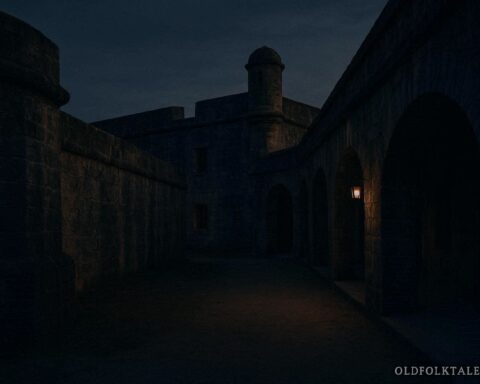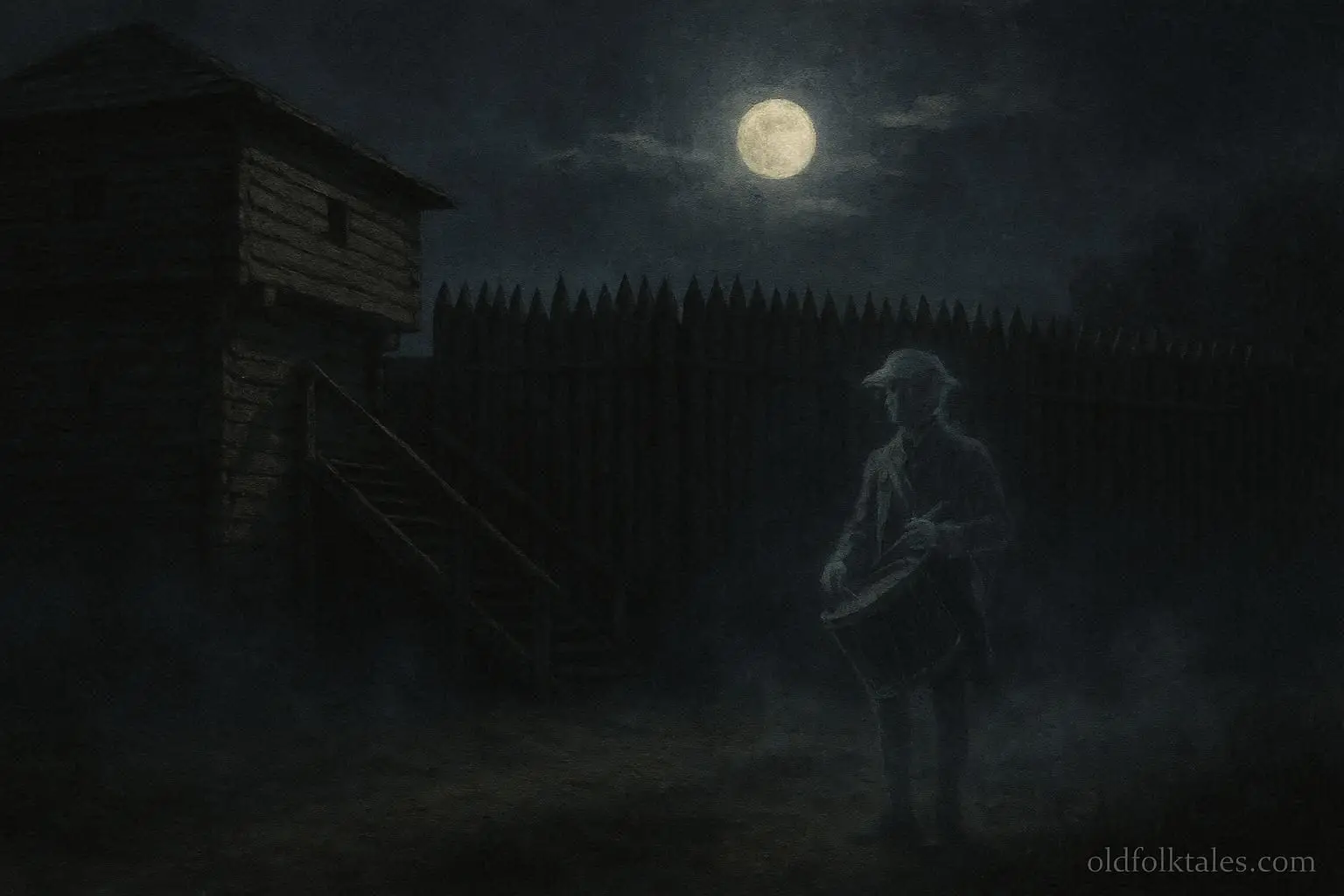
Sound travels differently at night, especially in places built for war. At Fort Henry, where earthworks once cut sharply into the Appalachian frontier, silence never fully settles. Wind moves through timber. Footsteps echo where no one walks. And sometimes, when the night grows tense and watchfires burn low, rhythm rises from the dark.
The fort was constructed for vigilance. Its walls were meant to withstand attack, its layout designed to respond quickly to danger. Soldiers learned to trust signals more than sight. A drumbeat could mean prepare. Another could mean advance. Another could mean hold.
The drummer mattered as much as any officer.
During one violent assault on the fort, a young drummer was struck down while signaling positions. Accounts say he continued beating even as he fell, the rhythm faltering only when his hands finally stilled. By morning, the attack was repelled. The drummer was buried nearby, his role honored quietly, as many such roles were.
Discover African American wisdom, Native American spirit stories, and the humor of early pioneers in American Folktales.
Life at the fort continued.
Years passed. Garrisons changed. Conflicts shifted. Eventually, Fort Henry ceased to function as an active military site. Its defenses aged. Its barracks emptied. Yet long after soldiers stopped manning the walls, reports began to surface.
Night watchmen heard drums.
Not loud. Not chaotic. Precise.
The sound carried direction. A short sequence from the eastern edge. A pause. Another from the southern slope. Always purposeful. Always restrained. Never random.
Those who heard it described the same sensation. An instinct to obey.
One guard admitted he had moved instinctively toward a defensive position before realizing there was no command to follow. Another said the rhythm made him check sightlines that no longer mattered, as if the fort itself was rehearsing defense.
No drummer was ever seen.
The sound appeared only during hours of darkness, most often when storms gathered or when the night felt unusually heavy. It never occurred during festivals or daylight tours. Only when the fort was quiet and alertness felt necessary.
Local tradition holds that the phantom drummer does not announce himself. He responds.
When the fort feels threatened. When weather turns violent. When unfamiliar figures approach the grounds at night. The drum answers with guidance, not warning.
Listeners have noted that the rhythms follow historical signaling patterns once used by frontier garrisons. Not modern interpretations. Not invented beats. The patterns align with documented military signals, precise enough to suggest intention rather than coincidence.
Over time, the legend settled into accepted memory.
The drummer is not believed to haunt in anger. There are no reports of fear, screams, or confrontation. Instead, the presence is described as disciplined. Focused. Bound to duty rather than restlessness.
Some say the drummer never realized he had died.
Others say he knew, but refused to stop.
Fort Henry occupies a place where boundaries blur. Between settled land and wilderness. Between civilian life and military order. Between past conflict and remembered peace. The drummer, according to legend, belongs to that boundary.
Visitors have tried to provoke the sound.
None succeed.
The drum does not perform. It responds only when conditions mirror those it once knew. Threat. Uncertainty. Defense.
During periods of regional unrest, reports increase. During quiet years, the fort remains silent. This pattern has reinforced belief that the sound is not residual noise, but conscious memory acting with purpose.
Historians note that drummers were often young, overlooked in official accounts, and exposed to great danger. Their role required visibility and precision. Their sacrifice rarely earned monuments.
In this way, the legend corrects omission.
The drummer is remembered not as a ghost, but as a soldier still at his post.
Those who claim to hear the drums often describe an unexpected sense of calm. Fear fades. Focus sharpens. The sound does not escalate panic. It organizes it.
One listener described it as being reminded how to stand.
Another said the rhythm made the fort feel occupied again, as though its walls remembered what they were built to do.
At dawn, the sound always stops.
No echo remains. No final beat. Just silence returning carefully, like a duty completed.
The legend continues because it fits the place.
Fort Henry was never meant to rest completely. It was built to watch, to respond, to endure. The phantom drummer embodies that purpose, preserved beyond flesh.
Memory does not always fade quietly.
Sometimes it keeps time.
Click now to read all American Legends — heroic tales where truth and imagination meet, defining the American spirit.
Moral Lesson
Duty does not always end with life. Commitment, sacrifice, and responsibility can leave echoes that continue to guide others long after the original voice is gone.
Knowledge Check
- What sound defines the legend of Fort Henry?
Drum signals heard at night. - Who is believed to produce the sound?
A fallen military drummer. - When are the drums most often heard?
During nighttime periods of tension or threat. - Why are the drum patterns considered significant?
They match historical military signaling rhythms. - How do listeners typically react to the sound?
With focus and instinctive readiness rather than fear. - What does the phantom drummer represent?
Enduring duty and remembrance.
Source
Adapted from West Virginia University frontier military folklore archives
Cultural Origin
Early Appalachian frontier garrisons