The first sign was not a figure, but a sound. A faint echo of footsteps moved through the empty hallway of a long abandoned school building. The floorboards creaked in a rhythm that suggested small feet rather than the heavy steps of adults. Those who heard it paused, listening carefully, aware that no one else was inside. When the sound faded, a quiet followed that felt heavier than silence alone.
Former boarding schools across the Plains and Southwestern regions were once places of forced learning and discipline. Children were taken from their families and brought into unfamiliar environments where their language, clothing, and traditions were discouraged or punished. These schools were designed to reshape identity, often at great emotional cost. When the buildings were eventually abandoned, many believed the experiences of the children never truly left.
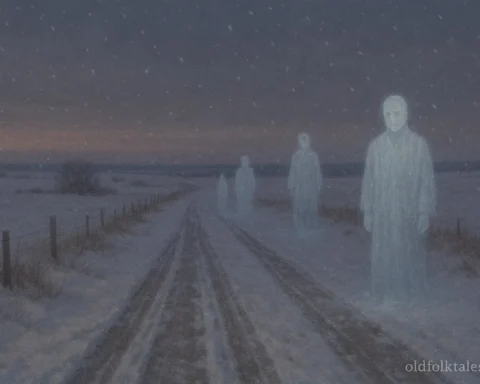
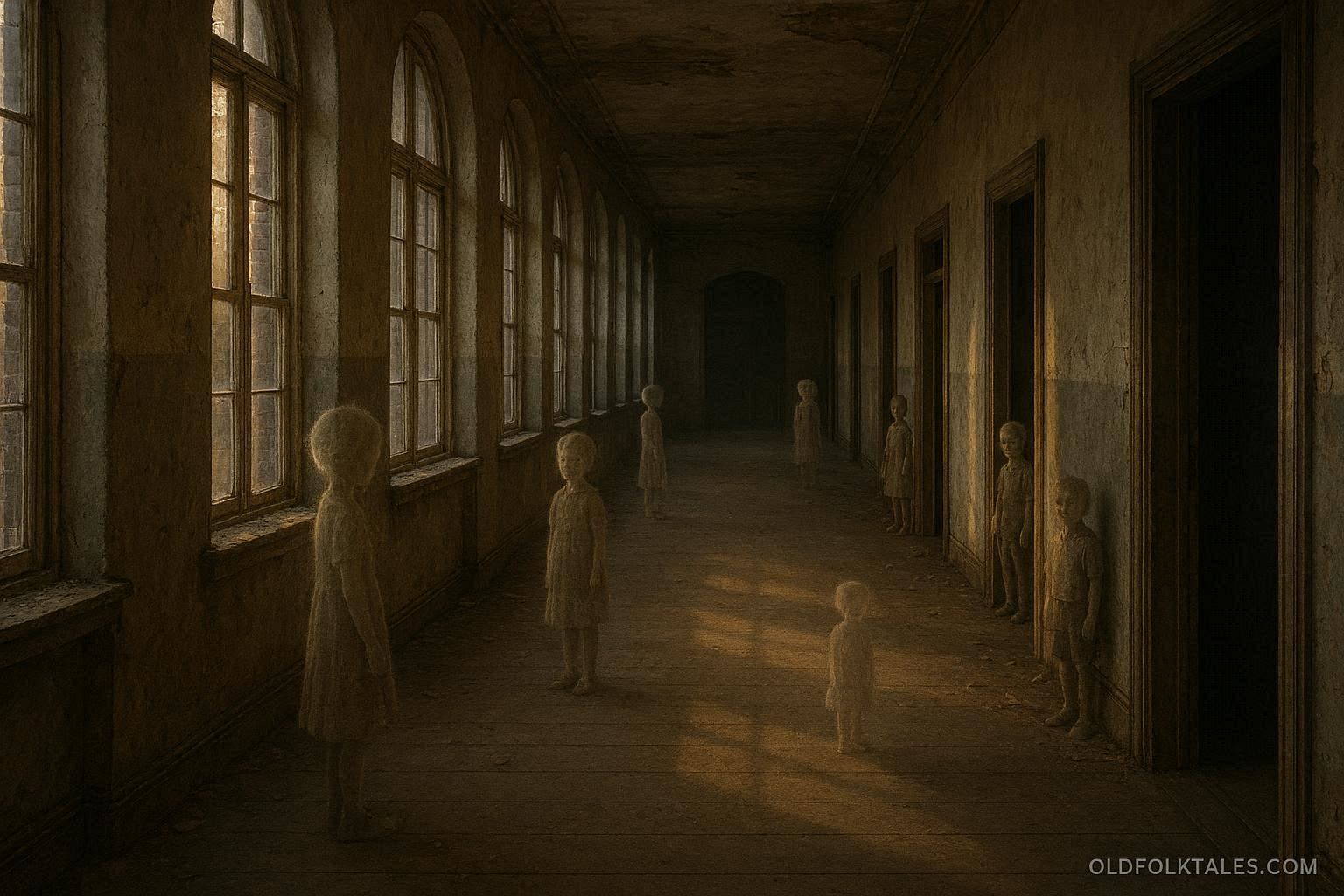
Stories emerged slowly. Locals reported seeing small figures standing at the ends of hallways or near classroom doors. The figures were described as child sized, dressed in simple clothing, and appearing briefly before fading into the dim light. These apparitions did not approach observers. They watched quietly, often appearing near staircases, dormitory rooms, or windows overlooking empty yards.
Explore Native American beings, swamp creatures, and modern cryptid sightingsacross the country.
Children visiting the abandoned buildings were often the first to notice the spirits. They described hearing whispers or soft singing, sometimes in languages unfamiliar to adults. When asked what the voices said, children often replied that the sounds felt sad but gentle. Elders believed this was because children could sense emotional presence more easily than adults, recognizing echoes of experience rather than focusing on fear.
Adults who encountered the spirits described a strong emotional response rather than terror. Many felt a deep heaviness in their chest or a sudden urge to leave the building respectfully. The air felt still, as if holding memory rather than menace. Some reported seeing small handprints appear briefly on dusty surfaces, only to fade moments later.
The spirits were believed to appear most often during late afternoon or early evening, times that mirrored the daily routines of the schools. These were hours once marked by structured movement, lining up, lessons, and enforced silence. The repetition of these moments reinforced the belief that the spirits were reenacting patterns of life rather than attempting to communicate directly.
Elders explained that these child spirits were not trapped or restless. They remained as witnesses. The buildings themselves had absorbed the emotional weight of separation, discipline, and loss. The spirits reflected that memory, reminding the living of experiences that should not be forgotten or repeated.
Some witnesses reported seeing multiple figures moving together, as if walking in lines or gathering near doorways. These moments were brief but clear enough to leave lasting impressions. The spirits never touched anyone, and no reports described aggressive behavior. Instead, the presence felt observant and patient, as if waiting to be acknowledged.
Communities near these former schools developed informal rules of respect. Visitors were advised to speak softly, avoid mocking the buildings, and acknowledge the history before entering. Some families left small offerings outside, such as beads, cloth, or flowers, as gestures of remembrance rather than fear. These acts were meant to honor the children whose lives had been shaped by the institution.
Historians and oral tradition scholars noted that these legends served as emotional records. The spirits embodied loss, resilience, and the need for remembrance. They preserved stories that written documents often failed to fully express. The presence of child spirits reminded communities that history is carried not only in archives but in lived experience and memory.
Former students who returned to these sites as adults reported mixed emotions. Some sensed comfort, believing the spirits represented shared endurance. Others felt sorrow, recognizing echoes of their own childhood experiences. The legends emphasize that healing begins with acknowledgment, and that the spirits exist not to frighten but to ensure that the past remains visible.
Even today, those who walk near these abandoned schools sometimes hear laughter mixed with quiet sobs, footsteps without bodies, or feel watched by unseen eyes. These moments pass quickly, leaving behind reflection rather than fear. The spirits remain gentle reminders of injustice endured and the resilience of children who carried their identity through hardship.
The legend of child spirits at former boarding schools continues because it speaks to memory that refuses to be erased. The spirits symbolize innocence shaped by force, voices that were once silenced, and presence that endures beyond walls and time. Through these stories, communities maintain a connection to truth, responsibility, and remembrance.
Click to explore all American Ghost Stories — haunting legends of spirits, lost souls, and mysterious places across the U.S.
Moral Lesson
Acknowledging past injustice and honoring the memory of those affected is essential for healing and responsibility across generations.
Knowledge Check
- Who are the spirits believed to represent?
They represent children affected by forced boarding school experiences. - Where are the spirits most often seen?
Inside abandoned school buildings, hallways, and dormitory areas. - Who usually notices the spirits first?
Children. - Are the spirits described as aggressive or harmful?
No, they are calm and observant. - Why do communities leave offerings near these buildings?
To honor memory and show respect. - What do these spirit legends preserve?
Historical memory, emotional truth, and responsibility.
Source
Adapted from University of Arizona Indigenous boarding school oral history archives
Cultural Origin
Plains and Southwestern Indigenous communities