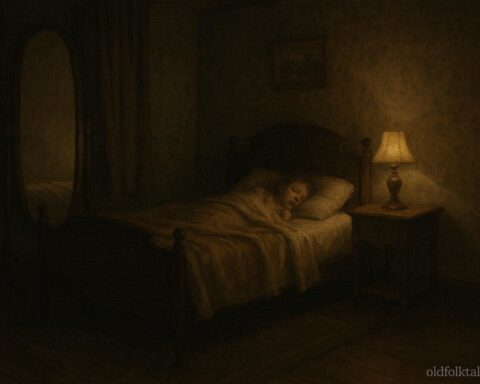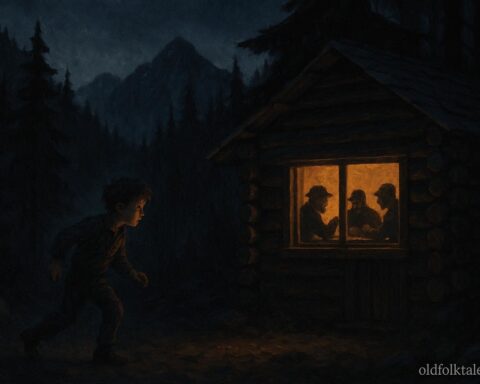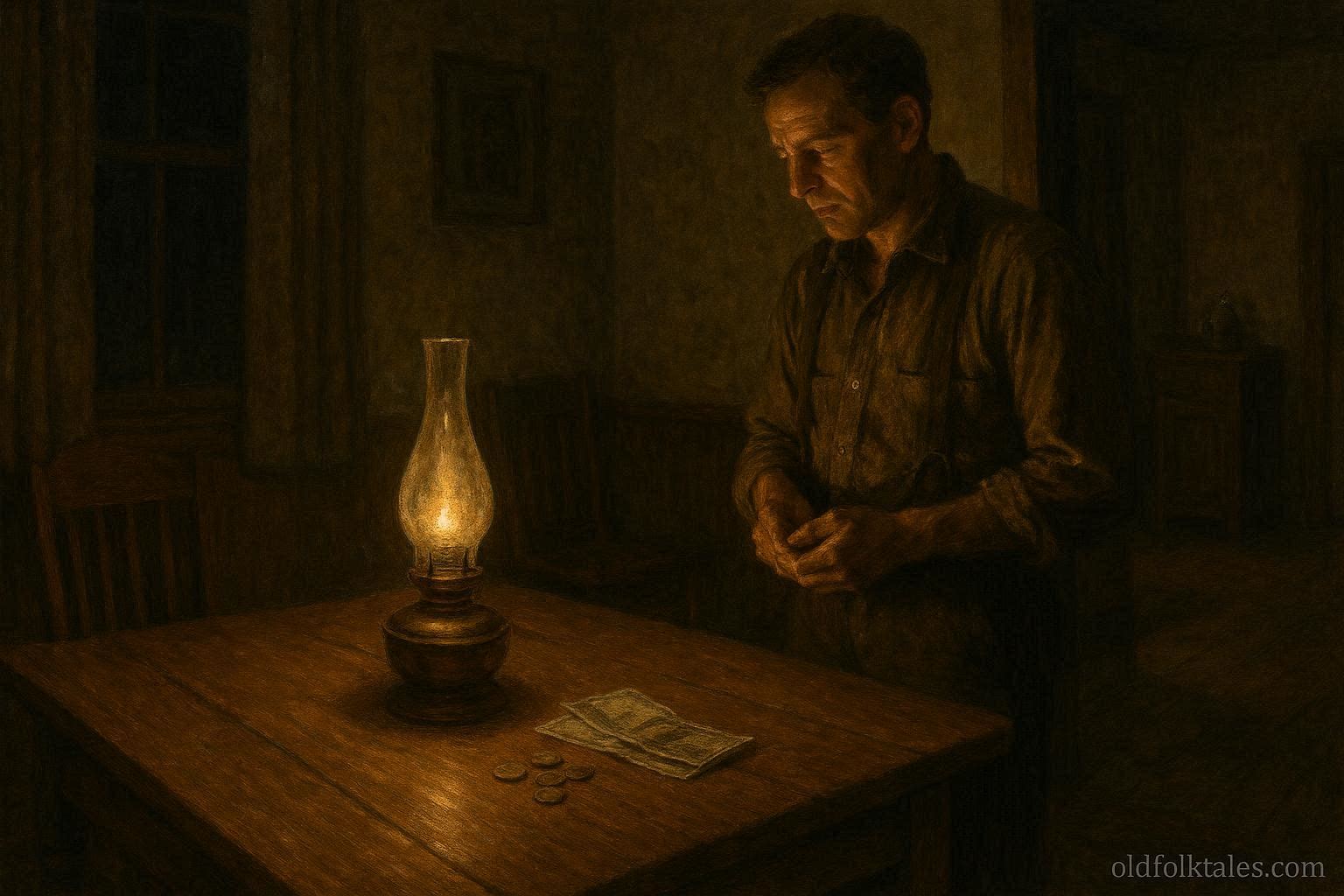
Night has always carried a special weight in American folk belief. When daylight faded and lamps replaced the sun, many households believed the world shifted into a more uncertain state. Shadows grew longer, sounds carried farther, and ordinary actions were thought to invite unusual consequences. Among merchants, laborers, and families who lived close to the edge of survival, one belief was repeated quietly from one generation to the next. Money should never be counted at night.
In early American towns and growing cities, wealth was rarely abstract. It was counted in coins laid out on tables, bills folded carefully into tins, and wages earned day by day. For working class families, money represented security, food, and dignity. Because of this, handling money was treated almost as a ritual. The timing of that ritual mattered deeply.
Elders warned that counting money after sunset caused it to slip away. Some said the act offended the balance between work and rest. Others believed night attracted forces that thrived on carelessness. Lamps flickered, eyes tired easily, and mistakes were more likely. A miscounted sum could lead to mistrust, loss, or shame. Over time, practical caution blended seamlessly with superstition.
Discover African American wisdom, Native American spirit stories, and the humor of early pioneers in American Folktales.
In merchant households, the belief was taken seriously. Shopkeepers closed their ledgers before dusk. Cash drawers were locked as daylight faded. Apprentices were scolded if they attempted to tally sales after dark. The warning was rarely explained in detail. It was enough to say that night counting invited loss.
Stories circulated quietly. A grocer who counted his coins by lamplight only to face theft days later. A dock worker who sorted his wages at midnight and soon found himself short of work. A family who ignored the warning and suffered unexpected expenses. Whether coincidence or pattern, these stories reinforced the rule.
The belief spread beyond commerce and into domestic life. Mothers told children not to handle allowance money after dark. Fathers postponed planning expenses until morning. Even savings jars were left untouched until sunrise. Money was seen as something that required clarity and daylight to behave properly.
In immigrant communities, the superstition blended with older traditions from Europe, Africa, and Asia. Many cultures already linked darkness with uncertainty and spirits. In America, these ideas adapted to new economic pressures. The night was when factories closed, streets grew unsafe, and vulnerability increased. Counting money during these hours symbolized tempting fate.
There was also a moral layer. Prosperity was believed to reward discipline. Night was meant for rest, prayer, or family. Counting money after dark suggested obsession, greed, or anxiety. Elders warned that wealth gained through worry never stayed long. Morning brought clarity. Night magnified fear.
As electricity spread and cities modernized, the belief softened but did not disappear. Even with bright lights and secure banks, many people still avoided handling money late at night. Some described an uneasy feeling when doing so. Others simply repeated the habit without knowing why.
Today, the superstition survives quietly. People delay checking bank balances before sleep. Shop owners close accounts before evening. Parents still advise children to wait until morning. While few openly claim fear of loss, the old wisdom lingers.
Counting money at night was never just about coins or bills. It reflected respect for timing, balance, and restraint. It taught patience. It reminded people that prosperity required more than numbers. It required awareness of when to act and when to pause.
In that sense, the superstition continues to offer guidance. Wealth is not only earned through effort but protected through care. And some things, the elders insisted, are better left for daylight.
Click to read all American Traditions & Beliefs — the living folklore of daily life, customs, and superstitions.
Moral Lesson
Prosperity is protected by patience, discipline, and respect for proper timing. Rushing or worrying over wealth at the wrong moment can invite unnecessary loss.
Knowledge Check
- What time of day was believed to be unsafe for counting money?
Answer Night - Which communities strongly observed this superstition?
Answer Merchant and working class American communities - Why was night associated with financial loss?
Answer Darkness symbolized uncertainty, error, and imbalance - What practical concern reinforced the belief?
Answer Increased likelihood of mistakes and miscounting - What moral value did the superstition promote?
Answer Restraint and patience - How does the belief persist today?
Answer People avoid handling money late at night without always knowing why
Source
Adapted from American Economic Folklore studies archived at Cornell University
Cultural Origin
Merchant and working class American communities