During one long and unforgiving winter, a quiet farming community found itself shaken by a series of unexplained barn fires that no one could fully understand. The land had always been steady and dependable. Fields stretched wide beneath pale skies, livestock rested in wooden shelters, and families measured time by planting and harvest. Winter was expected to be harsh, but it was also familiar. That year, however, something unfamiliar moved through the cold.
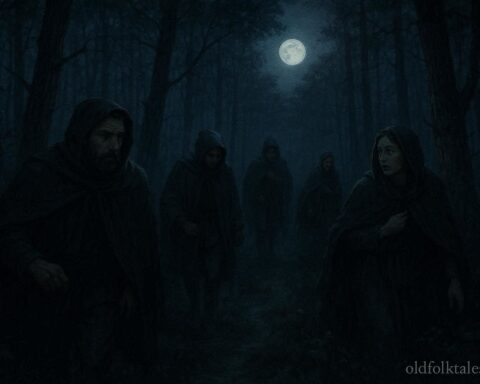
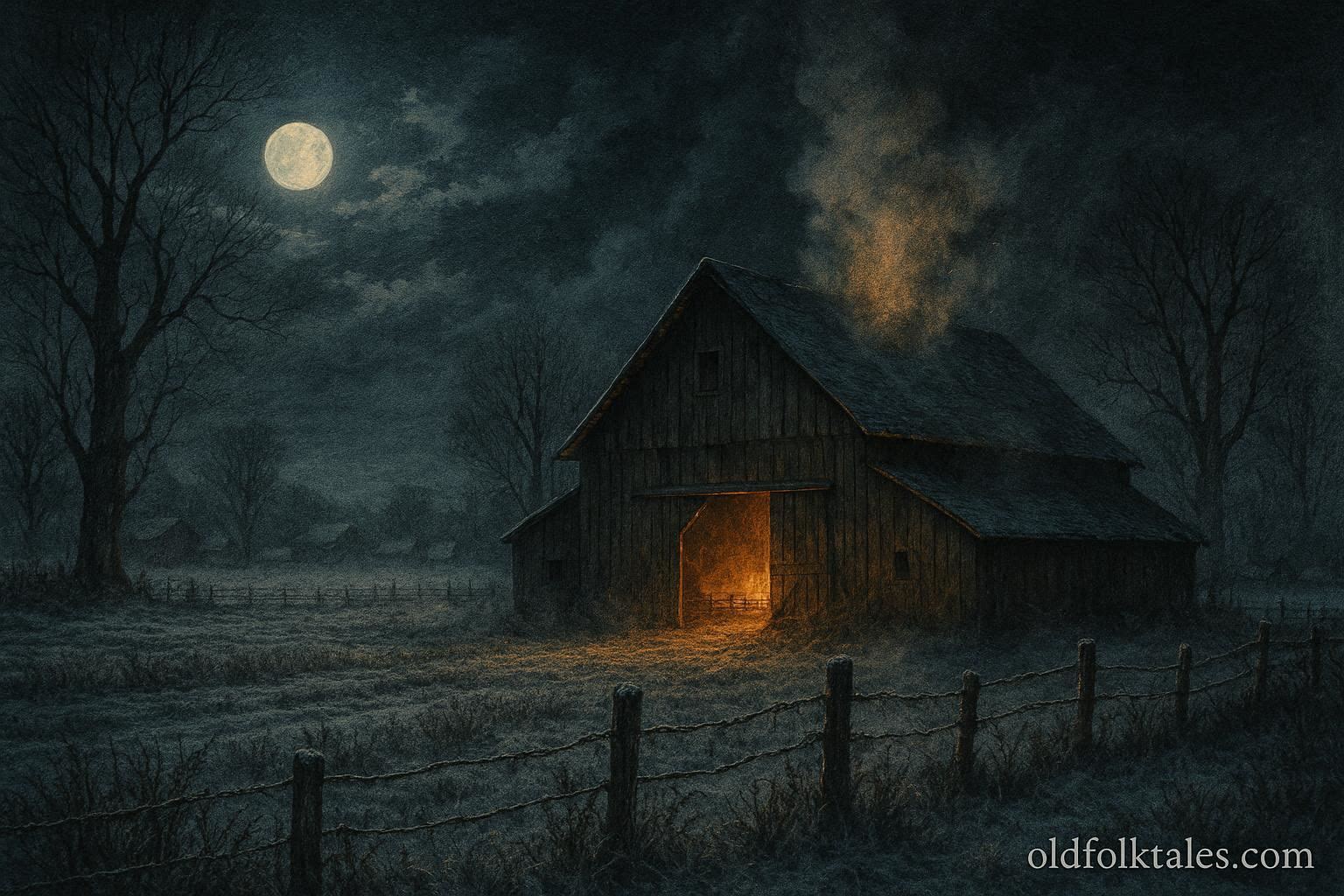
The first fire broke out on a windless night when frost clung to fence posts and the moon cast a silver glow across the fields. Flames suddenly leapt into the darkness, swallowing a large tobacco barn at the edge of the settlement. By the time neighbors arrived with buckets and blankets, the structure had collapsed into glowing embers. There had been no storm, no lightning, no sign of intruders. Only fire.
The barn belonged to a prosperous farmer named Mr. Holloway. He was respected for his success but quietly criticized for his pride. He often spoke of his wealth as proof of his superiority. When neighbors faced hardship, he rarely offered assistance. He believed strength meant self reliance and saw generosity as weakness.
Discover chilling ghost tales and haunted places that echo through America’s towns and countryside.
After the fire, he rebuilt quickly. The new barn stood taller and stronger than before, reinforced with thicker beams and heavier doors. He declared that no misfortune could defeat him twice. Yet as the weeks passed, more barns began to burn.
Each fire followed the same unsettling pattern. They occurred late at night. There were no witnesses, no storms, and no clear cause. Snow surrounding the ruins remained undisturbed except for the footprints of those who came running too late. Fear crept into conversations. Families began taking turns staying awake, listening carefully for the faintest crackle of flame.
Around hearths glowing with firelight, elders shared an old belief passed down through generations. They spoke of a presence sometimes called the Watcher in the Smoke. According to the tale, this force was not a visible spirit but a sign of imbalance. It was drawn to places where pride overshadowed gratitude and where fairness had weakened.
The story claimed that barns symbolized more than shelter for animals. They represented the heart of a household. When arrogance replaced humility, when workers were treated unjustly, or when neighbors were ignored in times of need, vulnerability followed. The fires, the elders suggested, were warnings rather than accidents.
Some dismissed the belief as superstition. Others listened more closely.
Among those who paid attention was a young farmhand named Isaiah. He lived with his widowed mother in a modest cottage near the woods. Their stable was small compared to the towering barns of wealthier farmers, but they cared for their animals and neighbors alike. Isaiah’s mother often reminded him that blessings were meant to be shared, not displayed.
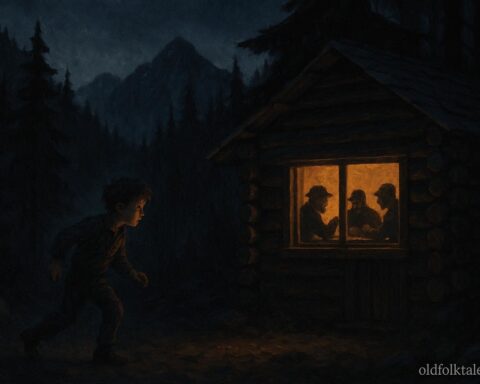
When another barn burned, Isaiah volunteered to help stand watch at night. As he observed the pattern of destruction, he noticed something troubling. The fires seemed to affect households known for harsh treatment of workers or refusal to help struggling neighbors. Whether coincidence or not, the pattern weighed heavily on him.
One freezing night, Isaiah stayed awake beside his family’s stable. The air was still, and the moon hung low over the pasture. Near midnight, he saw a faint mist drifting slowly along the edge of the field. It carried a faint scent of smoke but produced no visible flame. The mist moved with purpose, weaving between fence posts and pausing near barns before shifting onward.
Isaiah felt fear, yet he did not allow it to control him. He checked every lantern carefully, secured loose hay, and ensured no spark could escape into the cold night. Then he stepped outside and spoke softly into the darkness. He expressed gratitude for his family’s modest blessings and promised to treat others with fairness and care.
The mist lingered at the edge of the pasture as though considering his words. After a long moment, it thinned and disappeared into the woods.
By morning, their stable remained untouched.
Days later, Mr. Holloway’s rebuilt barn burned again. This time, the loss was devastating. With his resources depleted and livestock gone, he could no longer rely on pride alone. Neighbors approached him cautiously, offering help despite past refusals. For the first time, he accepted without argument.
The fires ceased soon after. No new barns were lost. The winter remained cold, but the fear slowly faded. Whether the cause had been human, natural, or something beyond explanation was never confirmed. The mystery endured, but the transformation within the community was undeniable.
Farmers began sharing tools and labor. Wages were discussed more fairly. Disputes softened into cooperation. Night watches continued for caution, but they were no longer driven by panic. The barns stood not only because of reinforced timber but because of renewed unity.
In years to come, the story of that winter was retold beside warm hearths. Children listened as elders described the drifting mist and the burning beams. The tale was not meant to frighten but to remind. Protection required vigilance, and prosperity required humility.
The barns that survived became symbols of more than shelter. They represented balance restored and lessons learned. Whenever smoke curled against the winter moon, someone would quietly check the lanterns and reflect on their actions toward others.
The community never forgot that strength is measured not only by what one builds, but by how one treats those who stand nearby.
Click to read all American Folktales — timeless oral stories passed through generations across the United States.
Moral Lesson
True security comes from humility, fairness, and shared responsibility. Pride without compassion weakens even the strongest foundation.
Knowledge Check
- What event caused fear in the farming community?
A series of unexplained barn fires during winter. - Who owned the first barn that burned?
A prosperous but prideful farmer named Mr. Holloway. - What did elders believe caused the fires?
They believed a presence called the Watcher in the Smoke was drawn to pride and imbalance. - What pattern did Isaiah notice about the barns that burned?
They often belonged to households known for arrogance or unfair treatment of others. - What action did Isaiah take when he saw the mist?
He secured the stable, expressed gratitude, and promised fairness. - What lesson did the community ultimately learn?
That humility, vigilance, and cooperation provide stronger protection than pride alone.
Source
Adapted from Smithsonian and Abrahams’ folklore collections.
Cultural Origin
African American folk tradition