Billy the Kid remains one of the most famous and debated figures of the American West. Born Henry McCarty in 1859, he later became known by several names, including William Bonney. Yet it was the name “Billy the Kid” that captured the imagination of frontier communities. His short life unfolded during a time when the Southwestern territories were marked by conflict, shifting loyalties, and fragile law enforcement.
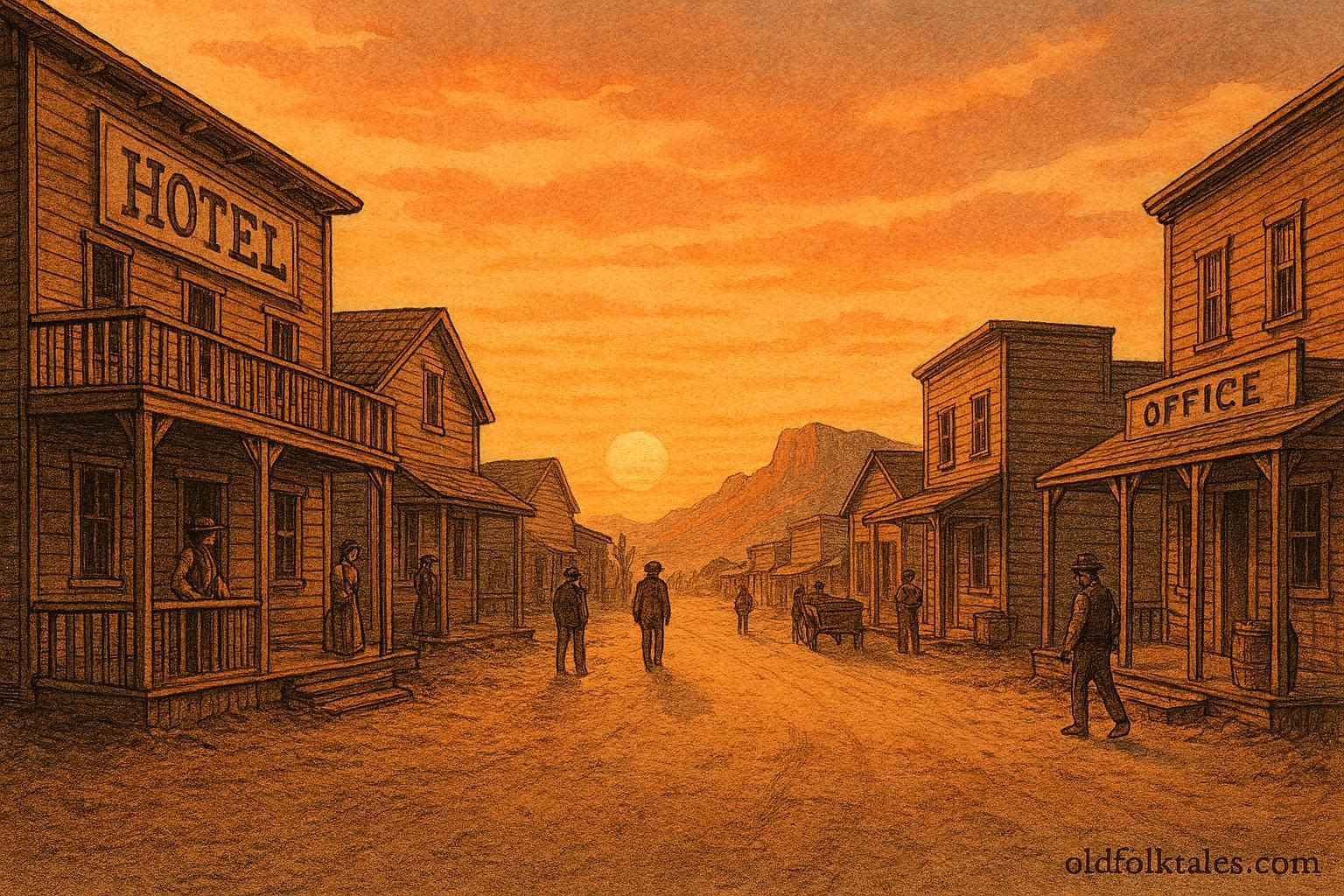
The American frontier in the late nineteenth century was a place of rapid change. Railroads expanded, ranches multiplied, and towns sprang up almost overnight. In these unsettled lands, disputes over cattle, property, and politics often escalated into violence. Young men searching for identity and survival sometimes found themselves drawn into dangerous alliances. Billy the Kid’s story grew from this turbulent environment.
As a teenager, Billy experienced hardship and loss. After the death of his mother, he drifted between towns in Arizona and New Mexico, taking on small jobs. Accounts describe him as charming, quick-witted, and slight in build. Yet beneath that youthful appearance was a restless spirit shaped by instability. Folklore later exaggerated these traits, portraying him as both reckless outlaw and misunderstood youth.
Encounter the strange and the unseen — from Bigfoot to regional monsters hiding in America’s forests.
Billy’s involvement in the Lincoln County War cemented his place in Western legend. This violent conflict between rival business factions in New Mexico Territory drew in ranchers, merchants, and hired gunmen. Billy joined one faction known as the Regulators. In the chaos of ambushes and retaliations, he became associated with several killings. Frontier newspapers reported these events dramatically, fueling public fascination.
Stories about Billy the Kid often highlight his youth. He was said to have been barely out of boyhood while participating in armed conflict. This detail shaped his legend deeply. The image of a teenage outlaw riding across dusty plains captured public imagination. Some saw him as a symbol of rebellion against corrupt authority, while others viewed him as a cautionary tale of wasted potential.
Folklore also embellished his daring escapes. One of the most famous tales recounts how he escaped from jail in 1881 after being captured by Sheriff Pat Garrett. According to legend, Billy overpowered guards and fled on horseback, vanishing into the rugged New Mexico landscape. Whether retold with accuracy or exaggeration, the story reinforced his image as clever and elusive.
The landscapes of the Southwest played a powerful role in shaping Billy’s myth. Vast deserts, rocky hills, and scattered settlements created natural stages for dramatic pursuits. Communities passed down stories of moonlit rides and narrow escapes through canyons. These settings enhanced the romantic aura surrounding the outlaw, blending history with cinematic imagery long before films existed.
Despite the adventurous tone of many retellings, Billy’s life was brief and violent. In 1881, at the age of twenty-one, he was shot and killed by Sheriff Pat Garrett in Fort Sumner. His death might have ended the story, but instead it marked the beginning of a larger legend. Dime novels and newspaper accounts quickly transformed him into one of the Wild West’s most enduring characters.
Writers and storytellers reshaped Billy’s image according to their audiences. Some depicted him as a ruthless criminal, emphasizing lawlessness and danger. Others painted him as a rebellious youth caught in a corrupt system. These contrasting portrayals reflect broader cultural tensions about justice, authority, and freedom in frontier society. Through storytelling, Billy became more than a historical figure; he became a symbol.
The theme of rebellion runs strongly through his legend. In communities where formal law enforcement was inconsistent, personal codes of honor often guided behavior. Billy’s defiance of authority resonated with those who distrusted powerful landowners or officials. At the same time, his violent actions reminded listeners of the consequences of unchecked rebellion. Folklore balanced admiration with warning.
The mythologizing of Billy the Kid reveals how frontier societies processed violence and instability. By turning a troubled young man into a larger-than-life figure, communities created a narrative framework for understanding chaos. His story provided drama, excitement, and moral reflection. It also contributed to the broader tradition of Western outlaw legends that celebrate both independence and risk.
Over time, Billy the Kid became a staple of American cultural imagination. Books, stage plays, films, and songs retold his story, each version adding new layers. Sometimes he appears as a tragic antihero, other times as a daring gunslinger. These interpretations show how folklore evolves, shaped by changing attitudes about youth, justice, and identity.
In historical records, Billy the Kid was a young man involved in violent conflicts who met an early death. In folklore, he became a symbol of restless frontier energy. The blending of fact and fiction created a legend that persists long after the events themselves. His story reminds us that history is often remembered through narrative, shaped by imagination as much as documentation.
Ultimately, Billy the Kid represents the complexity of outlaw identity in American Western folklore. He embodies youth, rebellion, and the blurred line between hero and villain. His legend continues to spark debate about morality and myth. Through the stories told around campfires and in printed pages, Billy the Kid remains one of the Wild West’s most enduring and controversial figures.
Click now to read all American Legends — heroic tales where truth and imagination meet, defining the American spirit.
Moral Lesson
Rebellion without wisdom can lead to tragic consequences. True strength lies in making responsible choices, even in difficult circumstances.
Knowledge Check
1 What was Billy the Kid’s birth name?
Henry McCarty
2 In which conflict did he participate?
The Lincoln County War
3 Where did his legend primarily develop?
New Mexico and the Southwestern frontier
4 What themes define his story?
Rebellion, youth, and outlaw identity
5 How old was he at the time of his death?
Twenty-one years old
6 Why did his legend grow after his death?
Newspapers and dime novels mythologized his life
Source
Adapted from New Mexico History Museum records
Cultural Origin
Southwestern frontier communities