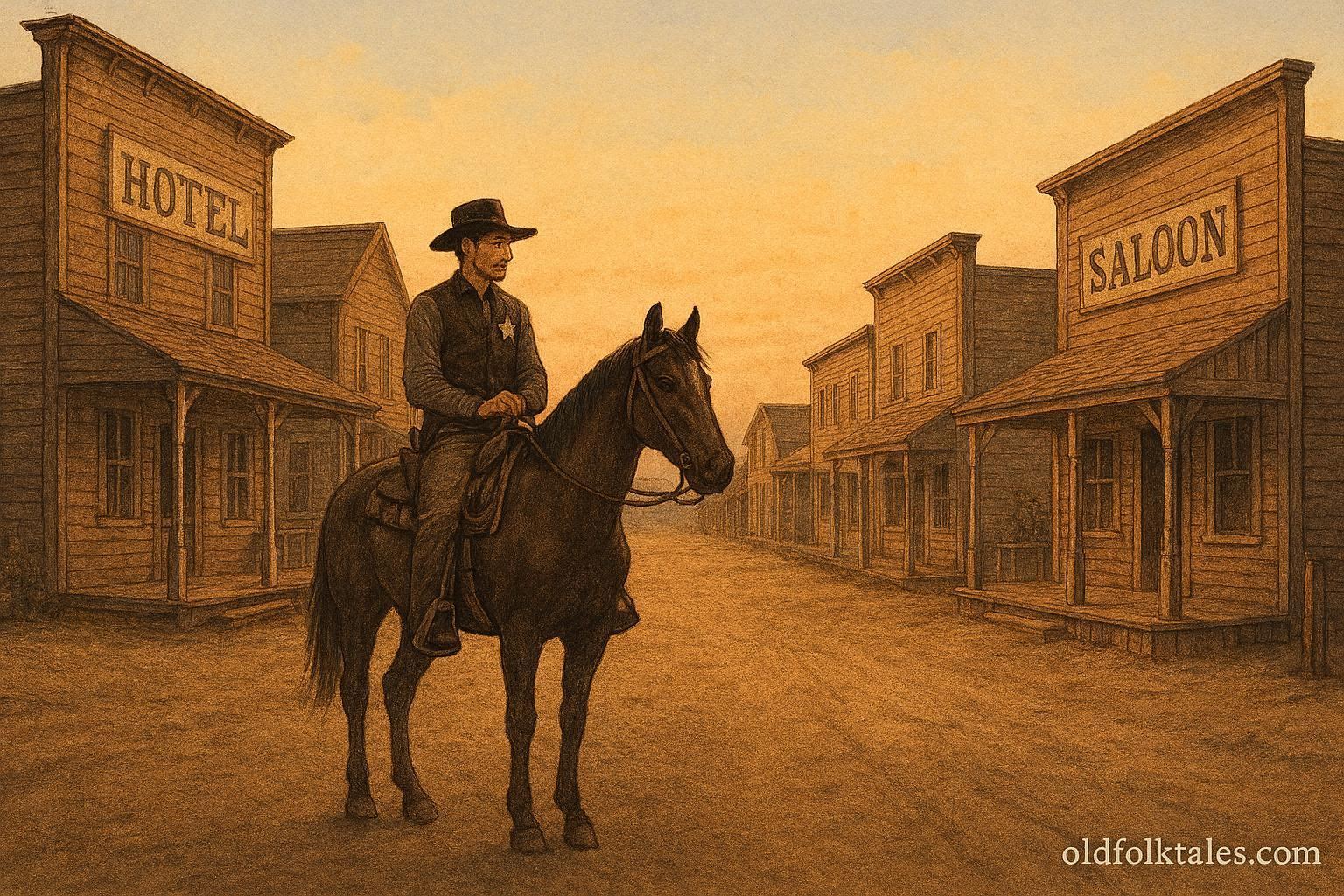
James Butler Hickok, better known as Wild Bill Hickok, became one of the most famous figures of the American frontier. Born in 1837 in Illinois, he grew up in a time when the United States was expanding westward. The open plains, gold towns, and cattle trails offered both opportunity and danger, shaping the lives of young men seeking fortune, adventure, or simply survival. Hickok’s life bridged the historical and the legendary, and over time, he became a symbol of courage and law in a lawless land.
Hickok’s early years were marked by physical skill and a keen sense of observation. He was reputedly an excellent marksman, horseman, and tracker. These skills served him well in frontier communities where disputes often escalated into violence. In an era of minimal formal law enforcement, men like Hickok were both protectors and participants in the rugged code of frontier justice. His ability to maintain calm in high-stakes situations contributed greatly to his enduring reputation.
One of the defining aspects of Hickok’s legend is his dual identity as both lawman and gunfighter. Tales describe him confronting outlaws, cattle rustlers, and criminals across the frontier. In towns such as Abilene and Deadwood, he served as sheriff or marshal, bringing order to communities teetering on the edge of chaos. His real-life exploits became the basis for countless stories, often blending fact with exaggeration to create the image of an almost superhuman figure.
Explore Native American beings, swamp creatures, and modern cryptid sightingsacross the country.
Frontier life demanded both courage and strategy. Hickok’s stories often emphasize his quick thinking and keen judgment under pressure. Accounts describe him sizing up opponents, assessing risks, and acting decisively. In folklore, these traits are magnified, showing him drawing his revolver with lightning speed or outsmarting multiple adversaries simultaneously. These tales reinforced the frontier ideal that intelligence and skill could equal physical prowess.
Perhaps the most enduring aspect of Wild Bill’s legend is his involvement in infamous gunfights. One widely recounted story describes a confrontation in a saloon where Hickok faced a group of armed men intent on causing chaos. With precise marksmanship and calm composure, he neutralized the threat, protecting innocent bystanders. Although details vary across retellings, the narrative became a cornerstone of his heroic image, illustrating courage under mortal danger.
Hickok’s reputation as a lawman was complemented by his presence as a scout and military figure during the Civil War. Serving both Union and Confederate-aligned units at different times, he honed skills that would later serve him in frontier policing. His military experience contributed to his precision, strategy, and ability to maintain authority in volatile situations. These skills became inseparable from the folklore persona of Wild Bill Hickok.
Despite his lawman duties, Hickok’s life was not free of controversy. Many tales recount his encounters with gamblers, outlaws, and fellow gunmen. He was sometimes accused of taking justice into his own hands, reflecting the blurred boundaries of law in the frontier. Folklore emphasizes both his bravery and his independence, highlighting the tension between individual action and societal rules in unsettled regions.
The landscape of the West amplified Hickok’s legend. Vast plains, frontier towns, and mining settlements provided the dramatic settings for his exploits. Tales describe him riding through dusty streets, confronting criminals, or protecting citizens from ambush. These stories became part of the oral tradition, retold in saloons, campfires, and newspapers, cementing his role as a cultural icon.
Hickok’s personal charisma also contributed to his fame. Stories often mention his composure, charm, and strategic mind. Unlike one-dimensional outlaws, he was portrayed as both approachable and formidable. Folk narratives emphasized his respect for law and fairness, which helped distinguish him from other gunfighters of the era. These qualities allowed him to become a figure who embodied frontier justice and heroism simultaneously.
His death, in Deadwood in 1876, further mythologized him. Hickok was shot while playing poker, holding what became known as the “Dead Man’s Hand” of aces and eights. This dramatic end reinforced the idea that frontier heroes lived dangerous lives, walking the line between order and chaos. In folklore, the narrative of his death is retold with variations that emphasize both tragedy and the inevitability of fate in the lawless West.
The story of Wild Bill Hickok exemplifies how historical figures become legends. His documented skills, combined with popular retellings, transformed him into a symbol of courage, vigilance, and justice. Tales of his gunfights, bravery, and quick thinking highlight values that were admired in frontier communities. His story also reflects the ways folklore preserves moral lessons through dramatized narrative.
Beyond heroism, Hickok’s legend explores the complexities of human behavior in dangerous environments. He represents the duality of the frontier: law and disorder, bravery and recklessness. Folklore underscores that survival depended on skill, judgment, and integrity. Stories of his exploits continue to inspire fascination with the American West, illustrating how real-life figures can become archetypal symbols of cultural identity.
Ultimately, Wild Bill Hickok’s life merges history and myth. As a lawman, marksman, and frontier hero, he became a cultural touchstone for courage and justice. Oral traditions, autobiographical accounts, and newspaper stories immortalized him, turning historical events into enduring folklore. His story remains a vivid reminder of the challenges, dangers, and ideals of the American frontier.
Click now to read all American Legends — heroic tales where truth and imagination meet, defining the American spirit.
Moral Lesson
Bravery, skill, and integrity are essential for leadership and justice. True heroism requires courage tempered by responsibility and respect for others.
Knowledge Check
1 Who was Wild Bill Hickok?
A celebrated lawman and gunfighter of the American frontier
2 What nickname did he gain for his frontier skills?
Wild Bill
3 Where did many of his famous exploits occur?
Towns such as Abilene and Deadwood
4 Which skills defined his legend?
Marksmanship, strategy, and courage
5 How did his life end?
He was shot while playing poker, holding the “Dead Man’s Hand”
6 Why is he remembered in American folklore?
His life blended real events with legendary stories of frontier heroism
Source
Adapted from American Wild West legend compilations
Cultural Origin
Western United States frontier tradition