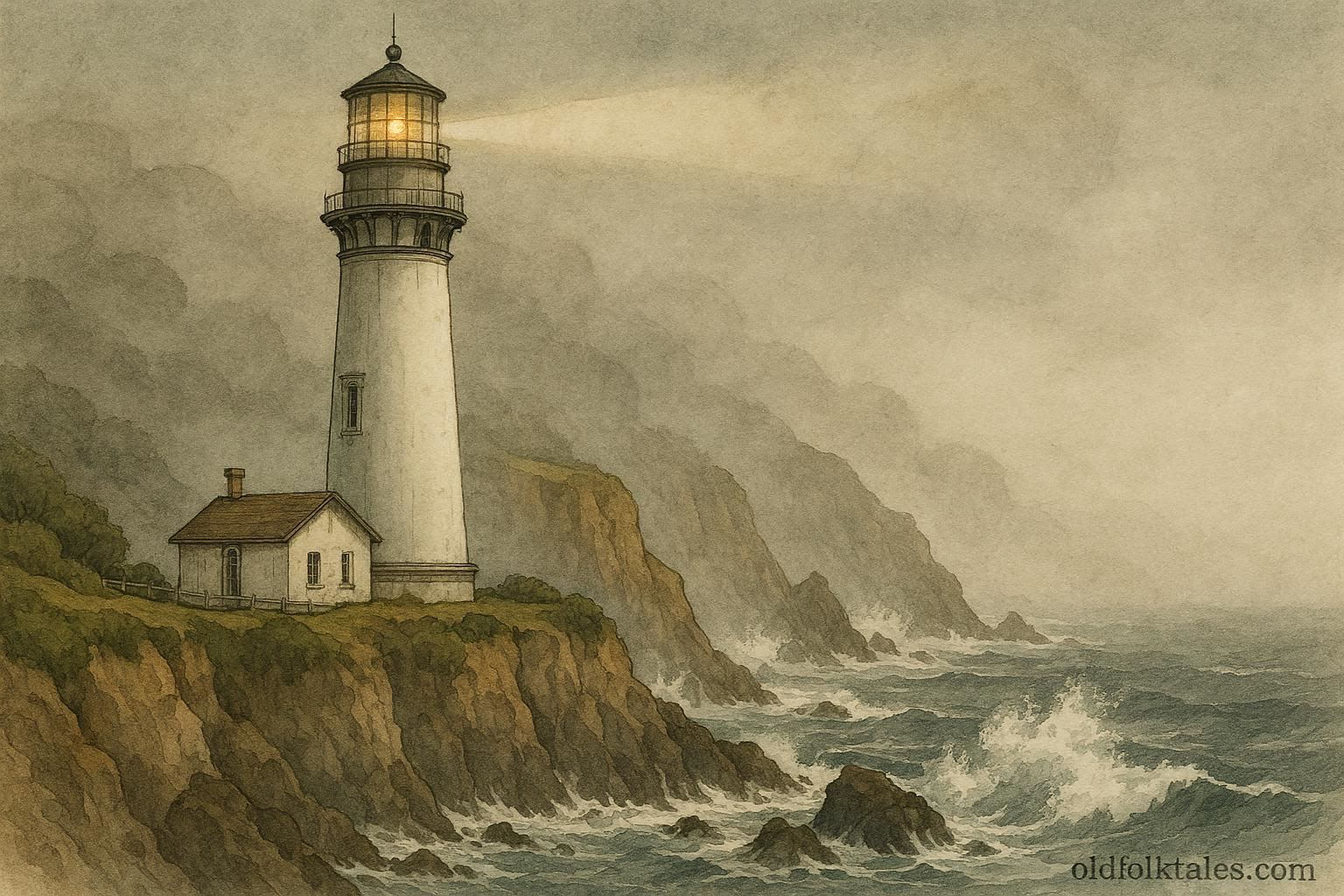
Perched on a jagged cliff along California’s Big Sur coastline, Point Sur Lighthouse has guided ships for more than a century. Its tall tower, whitewashed walls, and rotating beacon stand as symbols of safety against the region’s treacherous rocks and fog-laden waters. Yet beyond its practical purpose, the lighthouse has long been a source of eerie maritime tales. Locals and visitors alike tell of ghostly keepers walking the tower’s spiral staircase, mysterious lantern lights appearing in empty rooms, and spectral sailors lost in the waters below.
The lighthouse was constructed in 1889 to reduce shipwrecks along the rugged coastline. Before its beacon illuminated the foggy nights, the area had claimed numerous vessels, often with tragic loss of life. Keepers were responsible for maintaining the light, keeping logs, and tending to the living quarters in isolation. The combination of long hours, harsh weather, and extreme solitude created an atmosphere ripe for storytelling.
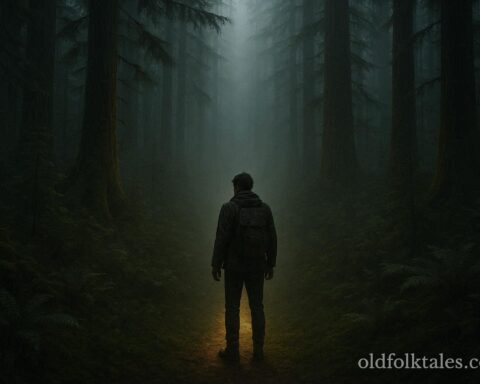
Early lighthouse keepers were often alone or with only one assistant. They lived in austere quarters, far from the nearest town. In storms, waves would crash against the cliffs, and foghorns echoed over the sea. Visitors to the lighthouse have described the sensation of being watched, sudden chills, or the sound of footsteps when no one else is present. Folklore suggests these occurrences are tied to the spirits of those who once protected ships and perished in maritime disasters.
Explore ancient Native American creation myths and the symbolic tales that shaped America’s belief systems.
Shipwrecks near Point Sur have contributed heavily to its haunted reputation. Fishermen and historians record numerous incidents in which vessels ran aground in heavy fog. Survivors often recounted seeing lanterns on the cliffs guiding them to safety. Over time, these historical accounts merged with ghost stories. Some claim the lights of the long-dead keepers still appear, aiding or warning modern sailors.
The lighthouse’s architecture amplifies its spectral reputation. A narrow spiral staircase winds up the tower, creaking underfoot, while the walls are thick stone. Interior rooms are small and sparsely furnished. The sound of wind whipping through gaps and rattling window panes creates an atmosphere that lends itself to stories of unseen inhabitants. At night, shadows stretch across walls, and ordinary sounds are often interpreted as whispers or footsteps.
Isolation has always been central to the lighthouse experience. Keepers were cut off from towns and families for weeks at a time, surviving on limited provisions. Some accounts speak of mental strain from solitude, and later folklore interprets these experiences as hauntings. Visitors claim that unexplained voices call from empty rooms, and that certain spots along the cliff evoke a feeling of being watched.
Historical records confirm that several keepers served for decades, sometimes dying while stationed at the lighthouse. Others reportedly lost loved ones at sea, intensifying the emotional weight of their posts. In folklore, these tragedies are said to have left lingering imprints, explaining ghostly sightings of grieving figures along the upper deck or tower windows.
During foggy nights, the lighthouse’s beacon shines a rotating light across the cliffs and waves. Some visitors report seeing ghostly silhouettes on the cliffs, interpreted as the spirits of shipwrecked sailors searching for safety. The blending of natural phenomena and human imagination has fueled a rich maritime ghost tradition surrounding the lighthouse.
Tourism has also cemented the lighthouse’s haunted reputation. Guided tours present historical facts about maritime accidents, lighthouse operations, and coastal hazards, but they also highlight local ghost stories. Visitors often describe a palpable sense of history and tension, particularly when walking the spiral staircase alone or standing near the edge of the cliffs overlooking the ocean.
Folklorists note that lighthouse ghost stories are common along coasts worldwide. These tales often combine real maritime tragedies with human psychological response to isolation and danger. Point Sur Lighthouse is no exception. Its combination of isolation, deadly cliffs, and historical tragedy provides a compelling setting for ghostly lore.
Local legend also tells of specific apparitions: a keeper who died while performing maintenance, appearing with a lantern in hand; sailors lost at sea, visible as faint figures along the waterline; and, occasionally, unexplained light patterns near the lighthouse tower that cannot be accounted for by modern lighting or reflections.
Despite its haunted reputation, Point Sur Lighthouse remains an operational historical site and a California State Parks property. Visitors learn about its maritime significance, architecture, and history, while ghost stories continue to be shared. These legends preserve both cautionary tales about the dangers of the coast and emotional connections to lives lived under extraordinary isolation.
The enduring fascination with Point Sur Lighthouse illustrates the human need to connect with history through narrative. While some visitors search for paranormal activity, others simply engage with the layered stories of the lighthouse’s past. its tragedies, dedication, and solitude. These combined elements create a rich folklore tapestry that continues to inspire curiosity, respect, and caution along the rugged California coast.
Discover chilling ghost tales and haunted places that echo through America’s towns and countryside.
Moral Lesson
Dedication and vigilance can protect others even in isolation. Remembering past sacrifices helps communities value courage and responsibility.
Knowledge Check
- When was Point Sur Lighthouse constructed?
1889 - What dangers prompted its construction?
Treacherous rocks and frequent shipwrecks - What daily challenges did lighthouse keepers face?
Isolation, harsh weather, and long hours maintaining the beacon - What types of spirits are said to haunt the lighthouse?
Ghostly keepers and shipwrecked sailors - How does architecture influence the haunted stories?
Creaking staircases, narrow corridors, and stone walls amplify sounds and shadows - Why do folklore and history intertwine at this site?
To preserve both maritime tragedies and human experiences of isolation
Source
Adapted from California State Parks archives; Monterey County Historical Society
Cultural Origin
California coastal maritime folklore