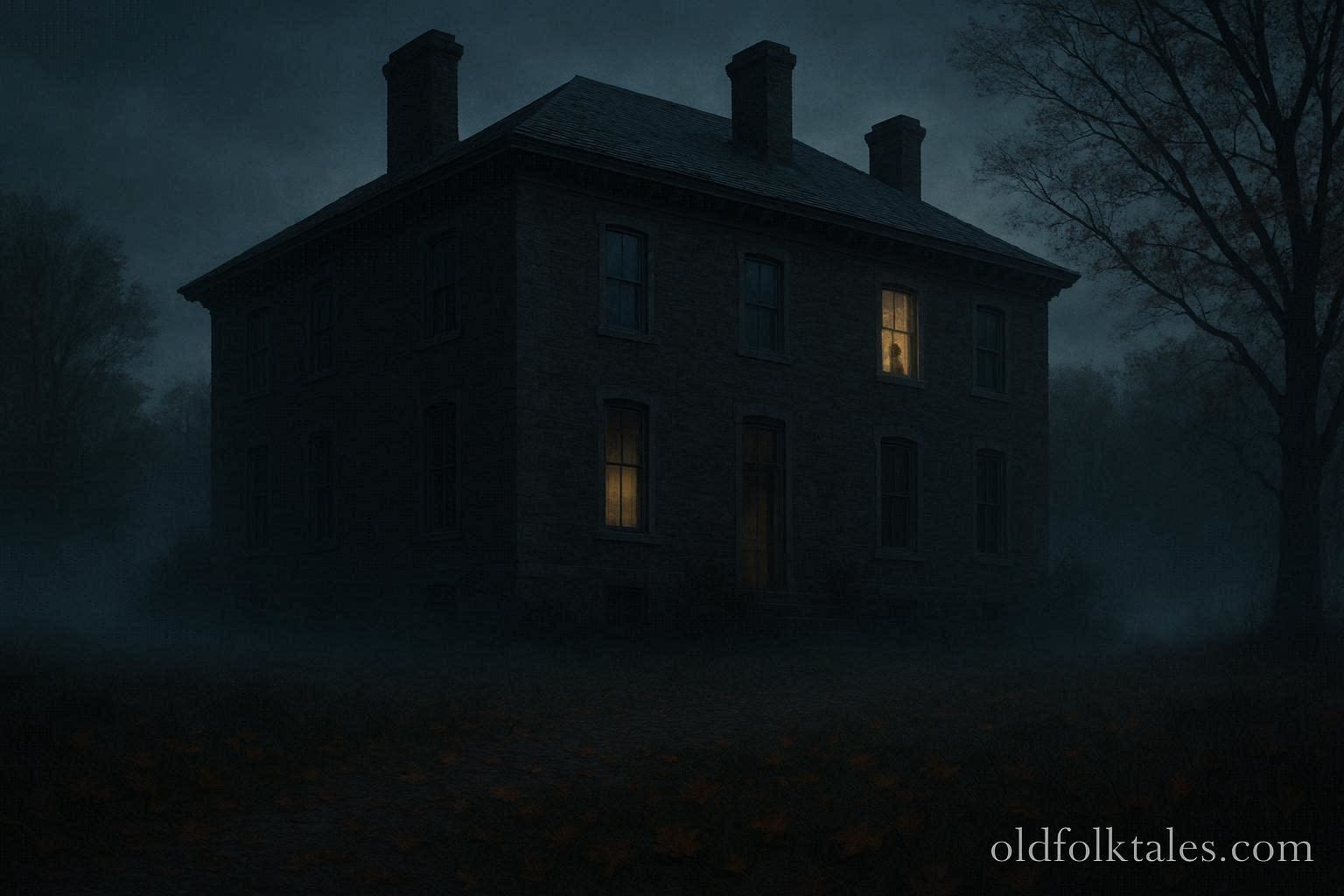
In the quiet town of Highgate, Vermont, where rolling fields stretch toward the Canadian border and maple trees blaze red and gold each autumn, stands an old manor house that has stirred curiosity for generations. Known locally as Highgate Manor, the structure rises with weathered elegance against the northern sky. Its tall windows reflect changing seasons, and its wooden floors creak with the memory of passing years. To some, it is simply a historic home shaped by time. To others, it is a place where the past refuses to remain silent.
Highgate Manor was built during a period when Vermont’s rural communities were expanding and reforming. The house served multiple purposes across decades. At different times, it is said to have functioned not only as a private residence but also as a place connected to medical care and community shelter. Some accounts suggest that individuals suffering from illness were once treated within its walls. Other stories claim the manor may have played a role in assisting freedom seekers traveling north along the Underground Railroad. Though precise details are debated, local archives confirm that the region itself was active in abolitionist efforts during the nineteenth century.
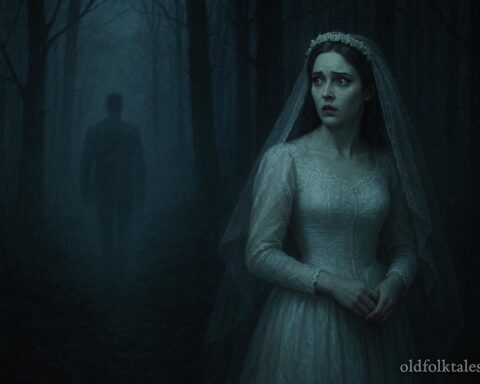
The layered history of the manor has fueled countless tales. Visitors and residents alike have reported unusual experiences that seem to echo the building’s complicated past. One of the most common accounts involves sightings of childlike figures moving quietly through hallways. Witnesses describe brief glimpses of small silhouettes darting across rooms or standing near staircases before disappearing from sight. The figures are not described as threatening, but rather solemn and silent, as though wandering in search of something lost.
Encounter the strange and the unseen — from Bigfoot to regional monsters hiding in America’s forests.
In addition to these sightings, unexplained footsteps are frequently mentioned. Guests who stayed overnight have reported hearing the sound of soft pacing along the upper floors long after everyone else had gone to sleep. The steps are described as light yet deliberate, crossing from one end of the hallway to the other. When doors are opened and rooms inspected, no one is found. The house settles as old houses do, yet those familiar with the difference insist these sounds feel purposeful.
Another recurring story involves ghostly faces appearing at the manor’s tall windows. Some neighbors claim that when passing by at dusk, they have glimpsed pale faces looking outward from the glass. The faces are said to vanish when approached, leaving only reflections of trees and sky behind. Whether illusion or imagination, such sightings have become a part of the manor’s identity within the town.
The connection to historic medical use deepens the emotional weight of these stories. In earlier centuries, medical facilities were often housed within private buildings, especially in rural communities. Conditions were difficult, and many patients suffered from illnesses that modern medicine now treats easily. If the manor did serve as a place of care, it may also have witnessed sorrow, recovery, and loss. The idea that spirits of former patients linger in its corridors has taken root in local lore.
Equally powerful is the association with the Underground Railroad. Vermont’s position near the Canadian border made it a significant route for freedom seekers escaping slavery in the United States. Safe houses provided shelter and secrecy. While definitive proof linking Highgate Manor directly to Underground Railroad activity remains part of ongoing historical discussion, regional records confirm that abolitionist networks were active in the area. The thought that frightened travelers once hid within the manor’s walls adds another layer to its haunting reputation.
Psychologists and historians often explain such legends as natural extensions of a building’s age and narrative depth. Old homes produce unfamiliar sounds as wood expands and contracts. Light filtering through uneven glass can create fleeting shapes that resemble faces. Knowledge of past hardship can shape expectation, leading visitors to interpret ordinary occurrences as extraordinary. Yet even with rational explanations available, the emotional atmosphere within Highgate Manor continues to affect those who step inside.
During winter, when snow blankets the fields and silence settles over Highgate, the manor appears especially still. Moonlight reflects off frozen ground and glows faintly through its windows. In such quiet moments, it is easy to imagine echoes of the past lingering in each room. The layered histories of illness, refuge, struggle, and survival seem to press gently against the present.
Highgate Manor stands not only as a structure of wood and stone but also as a symbol of how history can shape perception. Each reported sighting, each whispered story of footsteps or faces, becomes part of the building’s living narrative. Whether haunted by spirits or by memory, the manor reminds its community that places carry stories long after events have passed. In the quiet northern town where it rests, Highgate Manor remains both a historical landmark and a mystery that continues to invite reflection.
Click to explore all American Ghost Stories — haunting legends of spirits, lost souls, and mysterious places across the U.S.
Moral Lesson
Highgate Manor teaches that history leaves deep impressions on places and people. Understanding and respecting the past allows us to appreciate both the struggles and resilience that shape our communities.
Knowledge Check
- In which state is Highgate Manor located?
It is located in Vermont. - What type of figures are commonly reported inside the manor?
Childlike shadowy figures are often reported. - What unexplained sound do visitors frequently mention?
They mention hearing unexplained footsteps in the hallways. - What historic movement is connected to the manor’s lore?
It is linked to stories about the Underground Railroad. - Why might the manor have strong emotional associations?
Because it may have served medical and shelter purposes during difficult historical periods. - What broader theme does Highgate Manor represent?
It represents how layered histories can create lasting legends.
Source
Adapted from Vermont Historical Society archives
Cultural Origin
Highgate Vermont northern nineteenth century history