During the years before the American Civil War, a hidden network stretched quietly across parts of the United States. Known as the Underground Railroad, it was not a physical railway, but a system of secret routes, safe houses, and courageous individuals who helped enslaved people escape toward freedom. It operated in silence, relying on trust, coded messages, and careful timing.
Yet alongside the real and documented efforts of conductors and allies, another layer of stories emerged accounts of guidance that could not be easily explained.
These stories spoke of moments when individuals traveling alone, often at night, found themselves helped in ways that went beyond human presence.
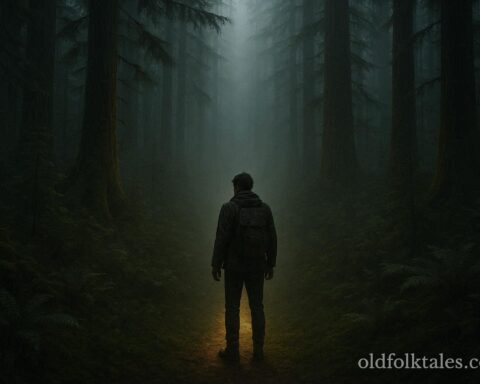
One of the most repeated accounts described a traveler moving through unfamiliar land, unsure of direction and with no visible path ahead. With danger close behind, he paused, uncertain whether to move forward or turn back. In that moment, he heard a soft voice or a whisper urging him toward a particular direction.
There was no one there.
Still, he followed.
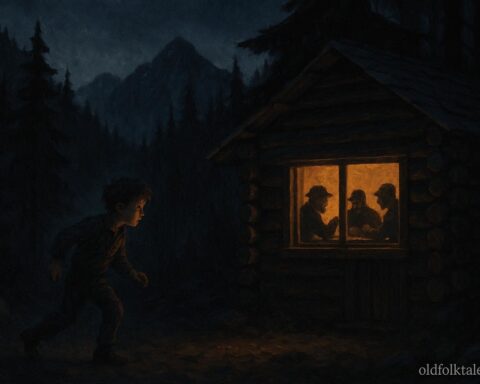
The path led him through a dense stretch of forest, around obstacles he could barely see, and eventually to a small cabin where a light burned faintly inside. It was a safe house, one of many hidden along the route. When he reached it, those inside were surprised not by his arrival, but by how directly he had found it.
Encounter the strange and the unseen — from Bigfoot to regional monsters hiding in America’s forests.
He could not explain it fully.
Only that something had guided him.
Similar stories appeared across different regions. Some described voices, others described a strong feeling or sudden clarity, as if knowing exactly where to go without understanding how. A few mentioned seeing a figure at a distance, someone who walked ahead but disappeared whenever they tried to approach.
The guidance was never loud or forceful.
It was subtle.
A suggestion rather than a command.
And it often came at moments of greatest uncertainty.
Those who experienced it rarely spoke of it openly at first. The journey itself required secrecy, and many were careful not to draw attention to anything that might sound unusual. But once they reached safety, some shared their stories with those who had helped them along the way.
The responses varied.
Some believed these experiences were a result of instinct sharpened by necessity. In dangerous situations, the mind becomes alert, capable of noticing patterns and making decisions quickly. What felt like guidance could have been the result of heightened awareness.
Others believed something more.
They saw these moments as a form of protection, a presence that existed beyond what could be seen. In communities shaped by faith and resilience, it was not uncommon to interpret such experiences as spiritual guidance, a sign that they were not alone even in the most difficult circumstances.
The idea of unseen help became part of the larger narrative of the Underground Railroad.
It did not replace the known history of brave individuals who risked their lives to help others. Instead, it existed alongside it, adding another dimension to the understanding of how people survived such journeys.
There were also stories tied to specific locations.
Certain paths were said to feel different, quieter, as though watched over. Travelers who passed through these areas often reported a sense of calm, even when danger was near. Others described moments where they avoided capture by changing direction suddenly, guided by a feeling they could not ignore.
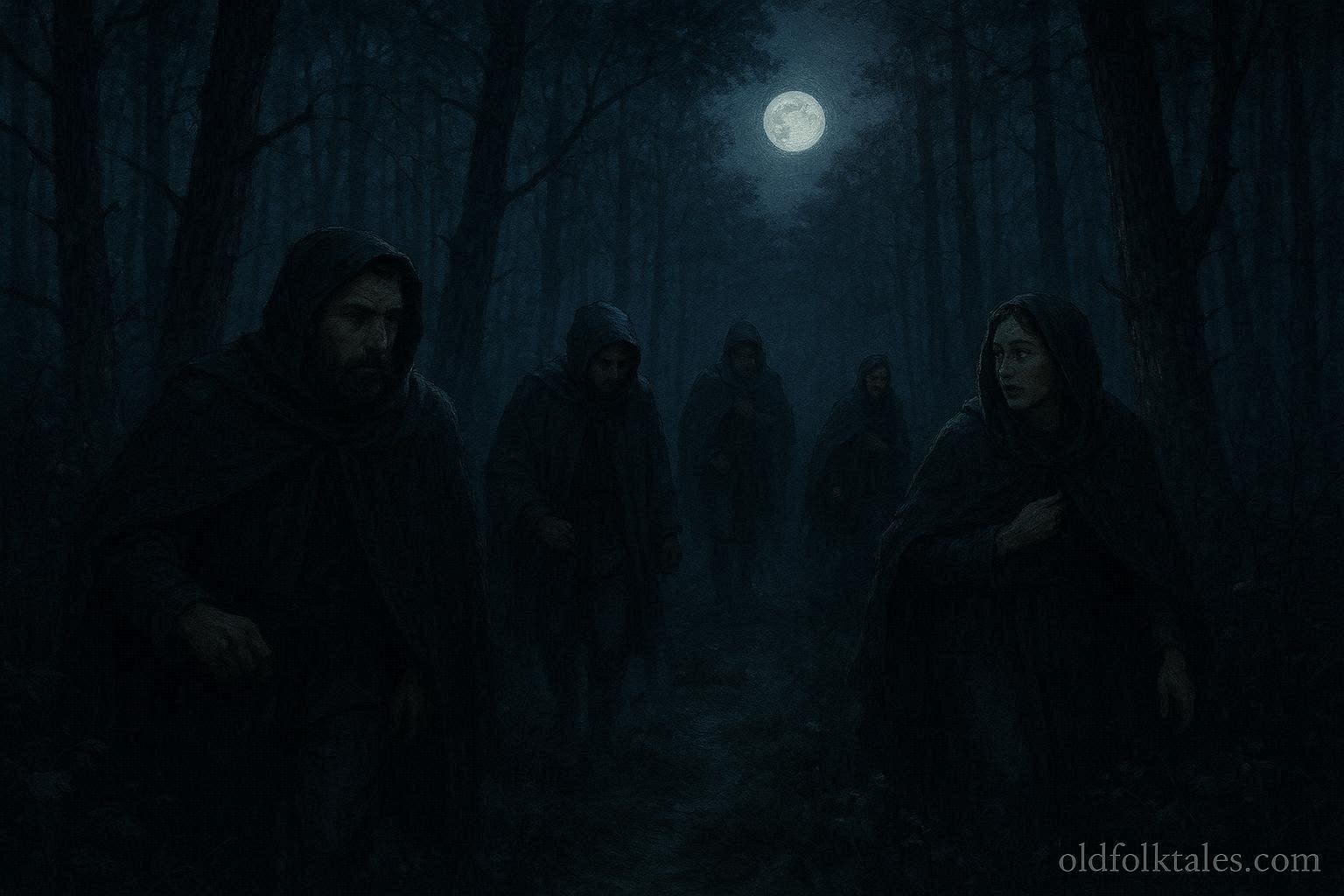
In one account, a group traveling together became lost in unfamiliar terrain. Night had fallen, and they could not risk lighting a fire. As they debated what to do, one member insisted they move toward a particular direction, though there was no visible reason to do so.
The others hesitated.
But eventually, they followed.
The path led them to a concealed route that connected to a known safe house. Later, when they described how they had found it, those who received them could not explain how they had reached that location so directly.
Stories like these spread quietly.
They were shared in trusted spaces, among those who understood the risks and realities of the journey. Over time, they became part of African American folklore, not as proven events, but as meaningful experiences that reflected the challenges and hopes of those involved.
The themes within these stories were consistent.
Guidance in moments of uncertainty.
Support that appeared when it was most needed.
And the belief that survival was not always achieved through visible means alone.
Even after the Underground Railroad ceased operation, these accounts continued to be remembered. They were passed down through generations, becoming part of a broader cultural memory that honored both the physical and spiritual aspects of the journey toward freedom.
Historians have documented the structure and operation of the Underground Railroad through records, letters, and firsthand accounts preserved by institutions like the National Park Service. These sources confirm the courage, planning, and coordination required for such an effort.
At the same time, the stories of unseen guidance remain in the realm of legend.
They are not easily measured or verified, yet they persist because they speak to something deeper than documentation alone. They reflect the emotional and spiritual realities of people navigating danger, uncertainty, and hope.
In the end, these stories are not only about mystery.
They are about resilience.
About the ways people find strength when facing overwhelming odds.
And about the possibility that, in moments of greatest need, help may come in forms that are not always visible, but still deeply felt.
Click now to read all American Legends — heroic tales where truth and imagination meet, defining the American spirit.
Moral Lesson
In times of uncertainty, courage and faith can guide people forward, even when the path is not clearly visible.
Knowledge Check
- What was the Underground Railroad?
A secret network that helped enslaved people escape to freedom. - What unusual experiences did some travelers report?
They reported hearing voices or feeling guided by unseen help. - Did all travelers experience these events?
No, only some reported such experiences. - What are two explanations for these stories?
Instinct and heightened awareness, or spiritual guidance. - Why were these stories shared quietly?
Because secrecy was important for safety during escape. - What is the main idea of the story?
That guidance and support can come in both visible and unseen ways during difficult journeys.
Source
Adapted from materials preserved by National Park Service
Cultural Origin
African American folklore