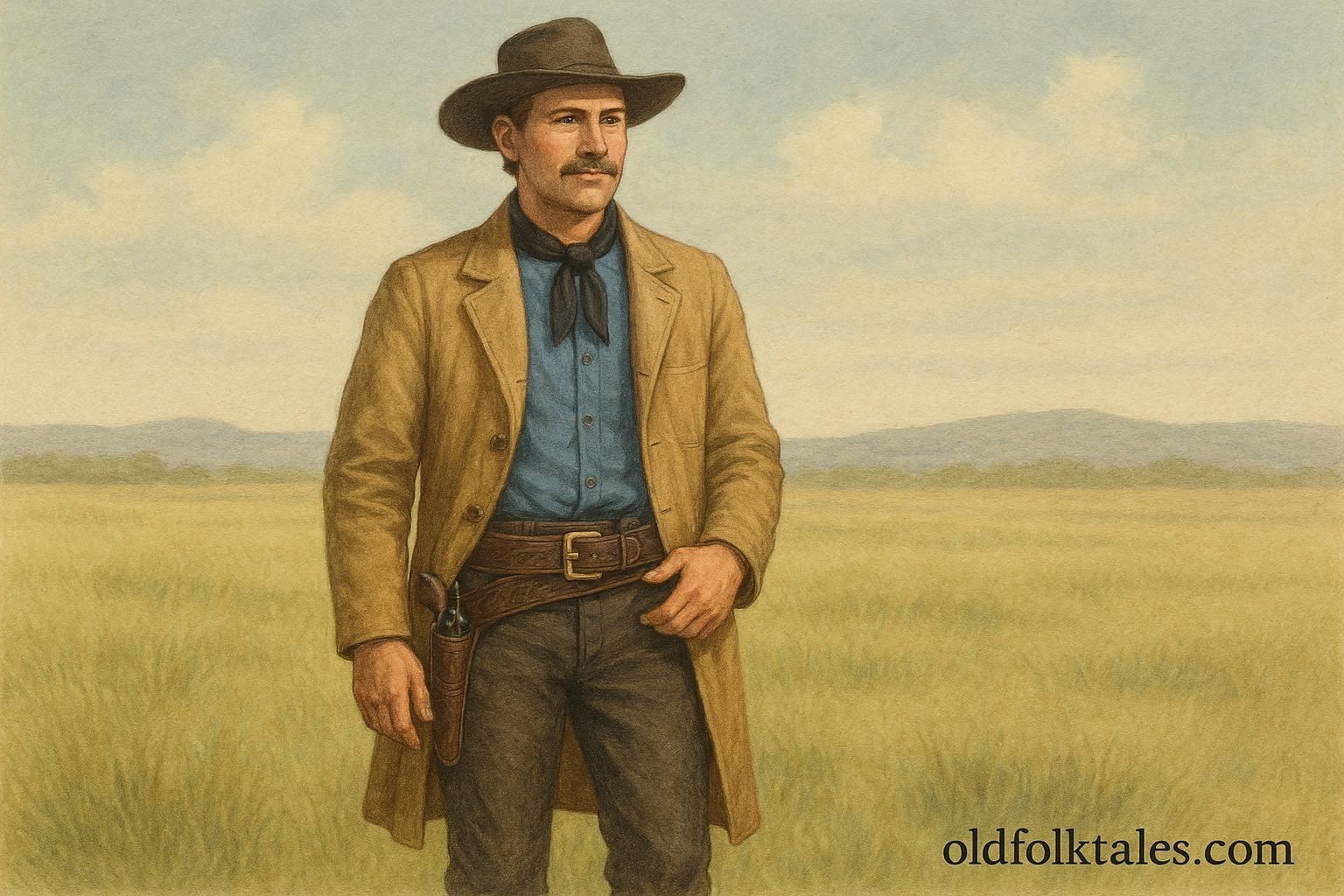
Bass Reeves stands as one of the most remarkable figures in American frontier history, remembered for his courage, intelligence, and unwavering commitment to justice. Born into slavery in 1838 in Arkansas, Reeves escaped to Indian Territory during the Civil War, where he learned the skills of tracking, survival, and negotiation that would later define his career. His life journey from enslavement to legendary lawman embodies resilience, resourcefulness, and the pursuit of justice against formidable odds.
After gaining his freedom, Reeves became deeply familiar with the challenges of the frontier. The territories of what are now Oklahoma and surrounding areas were rugged and dangerous, home to outlaws, fugitive criminals, and lawless settlements. He learned to track fugitives across forests, rivers, and plains, mastering the art of navigation and observation. These skills became invaluable when he joined the U.S. Marshals Service as a deputy, working under the federal government to bring law and order to territories that often lacked formal policing.
Reeves quickly earned a reputation for fearlessness and ingenuity. Unlike many lawmen of the era, he preferred to rely on intelligence, careful planning, and skill rather than brute force alone. He captured criminals through clever strategies, disguise, and negotiation, often avoiding unnecessary bloodshed. Folklore surrounding his exploits tells of Reeves confronting multiple outlaws alone, tracking fugitives across vast distances, and maintaining unwavering composure in the face of danger. These stories reflect both his remarkable professional skill and the moral character that guided his actions.
Encounter the strange and the unseen — from Bigfoot to regional monsters hiding in America’s forests.
During his tenure as a deputy U.S. Marshal, Bass Reeves arrested thousands of outlaws, including notorious criminals who had eluded other lawmen. His ability to navigate complex situations, gain information from local communities, and enforce the law fairly earned him the respect of both colleagues and the public. Folklore and oral histories recount his clever tactics: sometimes he would disguise himself to approach a fugitive unnoticed, other times he would use psychological insight to convince criminals to surrender peacefully. These stories highlight the combination of courage, intelligence, and integrity that made him legendary.
The tales of Bass Reeves extend beyond his official duties. Communities throughout the frontier celebrated his ability to uphold justice in a chaotic and often dangerous environment. Stories describe his calm yet authoritative presence, his strict adherence to the law, and his commitment to fairness, even when dealing with those who had committed serious crimes. His reputation as a lawman who could be trusted and feared in equal measure spread widely, becoming a core part of American folklore about the Wild West.
Reeves’ legend also emphasizes his moral integrity. He was known for never taking bribes or acting unjustly, which set him apart from many lawmen of the era who were tempted by corruption. Folklore portrays him as a man who balanced toughness with compassion, ensuring that justice was delivered without cruelty or favoritism. This combination of fairness, courage, and skill contributed to his enduring status as a folk hero and symbol of frontier law enforcement.
The stories about Bass Reeves reflect broader cultural themes in American folklore: the triumph of law and order over chaos, the heroism of individuals committed to justice, and the ethical use of power. His life has inspired books, films, and educational programs, emphasizing his contributions not only as a lawman but also as an example of moral leadership. By blending historical fact with narrative embellishments, his legend continues to serve as both an educational tool and a source of inspiration for modern audiences.
Reeves’ life also highlights the challenges faced by African Americans in the post-Civil War era. Despite racial prejudice and social obstacles, he excelled in his profession, earning respect and admiration in a society that often marginalized people of color. Folklore amplifies these achievements, emphasizing his skill, determination, and the justice he brought to communities that were otherwise vulnerable to crime and disorder. This aspect of his story underscores the broader significance of his legend as a representation of courage and excellence in the face of societal challenges.
In addition to capturing outlaws, Bass Reeves became a symbol of resourcefulness and intelligence. Stories recount how he tracked fugitives through the toughest terrain, sometimes relying on minimal supplies and often under extreme conditions. His ability to read the land, understand human behavior, and act decisively contributed to his success and to the legendary status that persists in folklore today. For many, Reeves’ life represents the ideal of the self-reliant and morally guided hero.
Over time, Bass Reeves’ legacy has transcended the historical record to become part of American mythos. His story combines the allure of the Wild West with concrete examples of bravery, intelligence, and justice. Folktales, oral histories, and written accounts celebrate his achievements and reinforce lessons about the importance of law, ethical leadership, and perseverance. Reeves’ life reminds us that heroism is defined not merely by physical courage but also by moral character, strategic thinking, and dedication to protecting others.
The narrative of Bass Reeves endures because it blends history and folklore seamlessly, providing both factual inspiration and imaginative storytelling. He exemplifies the qualities of a folk hero: courage, intelligence, fairness, and resilience. His story teaches that one person, guided by ethics and determination, can uphold justice even in environments that are chaotic, dangerous, and morally ambiguous. Through his life and legend, Bass Reeves continues to inspire admiration and reflection on the enduring principles of courage, integrity, and service.
Click now to read all American Legends — heroic tales where truth and imagination meet, defining the American spirit.
Moral Lesson
Courage, intelligence, and ethical action define true heroism. Upholding justice and protecting the community requires moral integrity, skill, and dedication, even in the face of danger.
Knowledge Check
1 Who was Bass Reeves?
A fearless U.S. Marshal who captured outlaws and upheld law in the frontier
2 What skills made him a legendary lawman?
Tracking, intelligence, disguise, negotiation, and courage
3 Why was his story significant for African Americans?
He excelled professionally despite racial prejudice and became a symbol of resilience
4 Where did he primarily serve as a lawman?
Western frontier territories, including Indian Territory and Oklahoma
5 What does Bass Reeves symbolize in folklore?
Justice, courage, intelligence, and ethical leadership
6 How has his story been preserved?
Through oral histories, folklore, historical records, and educational accounts
Source
Adapted from U.S. Marshals Service historical records
Cultural Origin
Western frontier law enforcement communities