Winter settled early in many colonial and rural American communities, arriving not just with snow but with silence. Roads disappeared beneath drifts. Forest paths closed. Rivers froze into barriers instead of bridges. During these long months, separation became a constant presence. Travelers moved slowly and often alone. Families waited weeks or months for word from distant kin. Darkness arrived before supper and lingered until morning. Against this isolation, households answered with light.
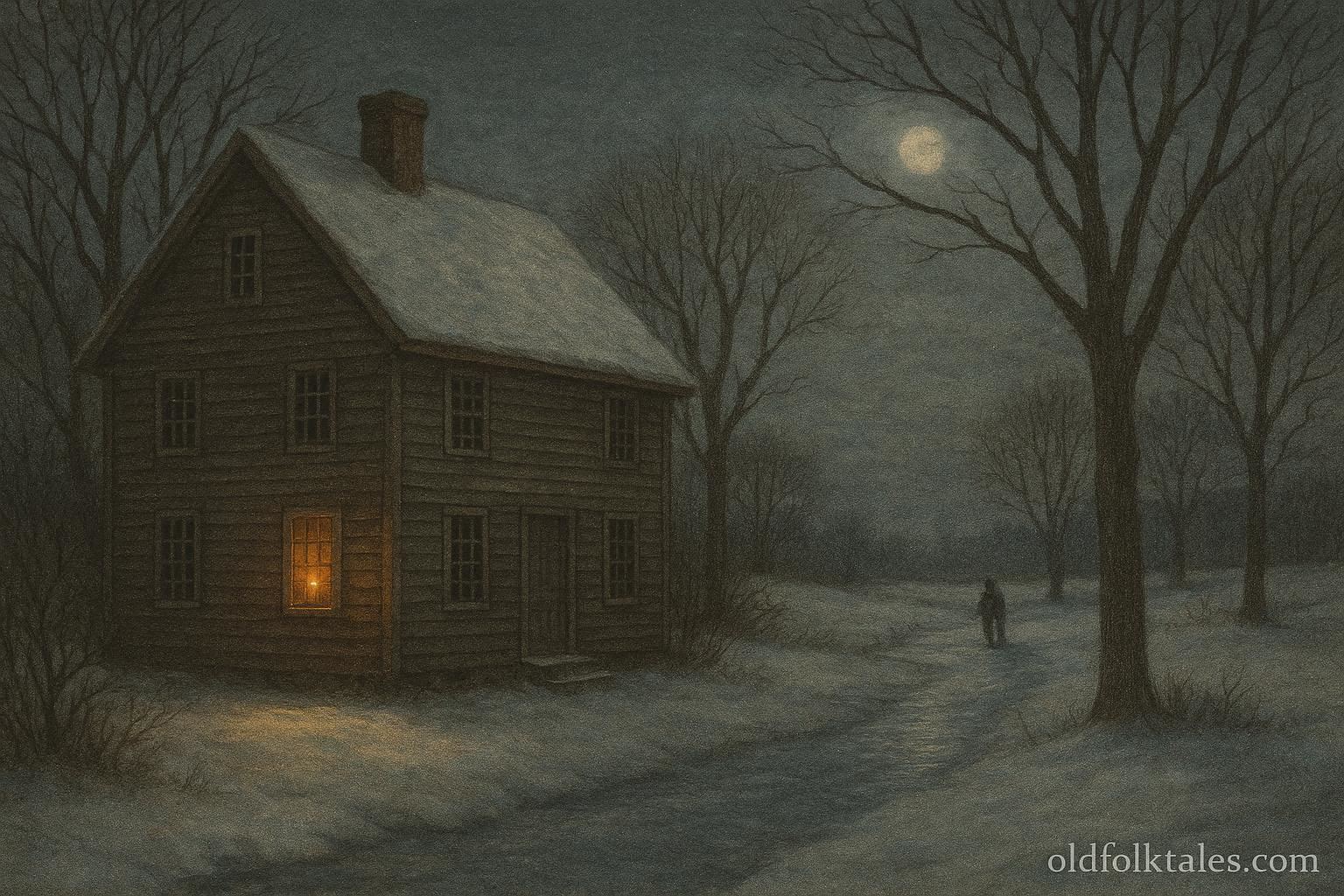
A single candle placed in a window became one of the most enduring winter customs in early American life. The gesture was simple, yet layered with meaning. To the traveler, it was a sign of shelter. To neighbors, it was a declaration of shared responsibility. To families, it carried remembrance for those who could not return home before the thaw. The candle window stood at the crossroads of hospitality, protection, and grief.
Homes of the eighteenth and nineteenth centuries were not built with convenience in mind. Firewood had to be rationed. Candles were costly and often handmade from tallow or beeswax. Lighting one through the night required intention. When a candle burned in a window, it meant something had been sacrificed for the sake of others. That sacrifice was part of the meaning. A light freely given carried moral weight.
Encounter the strange and the unseen — from Bigfoot to regional monsters hiding in America’s forests.
For travelers crossing frozen roads, the candle window offered direction as much as comfort. Snowstorms erased landmarks. Moonlight vanished behind clouds. A steady flame seen from a distance meant a human presence that had not retreated from the world. Many accounts in letters and diaries describe travelers steering toward that glow, knowing they might find warmth, a meal, or at least a place to rest until daylight.
Hospitality was not guaranteed, but the light suggested openness. A household that placed a candle in the window signaled readiness. Doors might be locked against danger, yet the flame declared that compassion outweighed fear. This balance between caution and generosity defined much of early American winter survival.
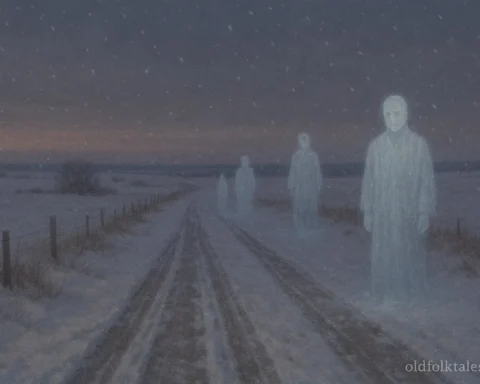
The custom also carried spiritual meaning. Winter was associated with vulnerability, both physical and moral. Illness spread easily. Accidents increased. Death was a familiar visitor. The candle served as a symbolic barrier against misfortune. Light was believed to repel wandering spirits, despair, and lingering sorrow. A home illuminated from within was thought to stand stronger against unseen forces that thrived in darkness.
For many families, the candle window became a ritual of remembrance. Sons went to sea. Fathers traveled for trade. Loved ones left and sometimes never returned. During winter nights, when absence felt sharpest, the candle burned as a promise that the household still waited. Even when death was certain, the flame honored memory. It told the world that someone had been loved and would not be forgotten.
Children learned the custom early. They were told not to disturb the candle or play near the window. Respect was required. The light was not decoration. It was purpose. Some families spoke softly around it. Others said prayers or shared stories of those who were gone. In this way, the candle connected generations through shared ritual.
Church influence blended easily with older folk belief. Biblical imagery of light guiding the lost merged with practical frontier ethics. Ministers encouraged the practice as an expression of Christian charity, while communities understood it as mutual survival. Faith and necessity walked side by side through winter.
Weather often determined how long the candle burned. On clear nights, it might remain lit until dawn. During storms, it burned until winds made it impossible. Even extinguished, the act of lighting it mattered. Intention carried weight in folk tradition. The attempt itself was considered protective.
As settlements grew and travel became safer, the practice slowly shifted. Candles appeared more often during holidays. Electric lights eventually replaced flame. Yet the symbolism endured. Even today, many households place candles in windows during winter months without knowing the full origin. The meaning lingers beneath the habit.
The candle window of winter reminds us that survival once depended on visible kindness. It was a language spoken without words, understood across distance and danger. A light against the cold carried hope not just for the traveler, but for the one who waited behind the glass, trusting that connection still mattered.
Click to read all American Traditions & Beliefs — the living folklore of daily life, customs, and superstitions.
Moral Lesson
Small acts of kindness offered consistently can guide others through their darkest moments.
Knowledge Check
1. Why were candles considered a meaningful sacrifice in early American households?
They required valuable resources and deliberate effort to maintain through the night.
2. What message did a candle in the window send to travelers?
It signaled possible shelter, safety, and human presence.
3. How did the candle window serve families emotionally?
It honored absent or lost loved ones and sustained remembrance.
4. What role did belief play alongside practicality in this custom?
Light was thought to protect against misfortune and spiritual harm.
5. Why did the practice continue even as conditions improved?
Its symbolic meaning remained culturally powerful beyond its original necessity.
6. What does the candle window reveal about early community values?
Shared responsibility and compassion were essential for collective survival.
Source
Adapted from Library of Congress American home ritual folklore archives
Cultural Origin
Colonial and early rural American households