After months of cold, when winter has held the land in stillness and silence, there comes a moment that signals change. It does not arrive loudly or suddenly, but gently, almost quietly. In many regions of the Pacific Northwest, this moment is recognized through the first rain of spring, a rainfall that carries meaning far beyond the water it brings.
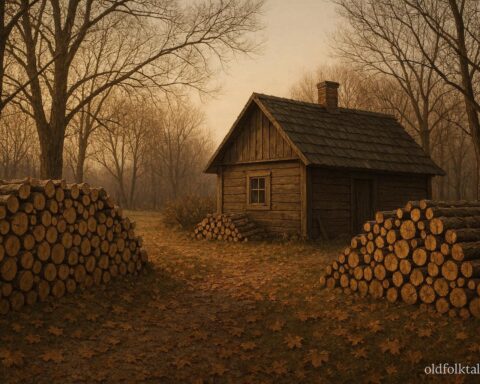
The winter months leave their mark on the land. Trees stand bare, the soil rests, and the air carries a chill that lingers even during the day. Life continues, but it moves slowly, waiting for the conditions to change. The ground holds what it needs, but it remains closed, not yet ready to grow.
As the season begins to shift, small signs appear. The air softens slightly, the light changes, and the days grow longer. These signs are subtle, often unnoticed by those who are not looking for them. But for those connected to the land, they signal that something is approaching.
Then, the rain comes.
Explore the heart of America’s storytelling — from tall tales and tricksters to fireside family legends.
It does not fall with the intensity of a storm, but with a steady, gentle rhythm. The sound of it against rooftops, leaves, and soil creates a quiet atmosphere. It is not disruptive, but calming. The first rain of spring is different from the rains of winter. It carries warmth, even in its coolness, and it reaches the ground with purpose.
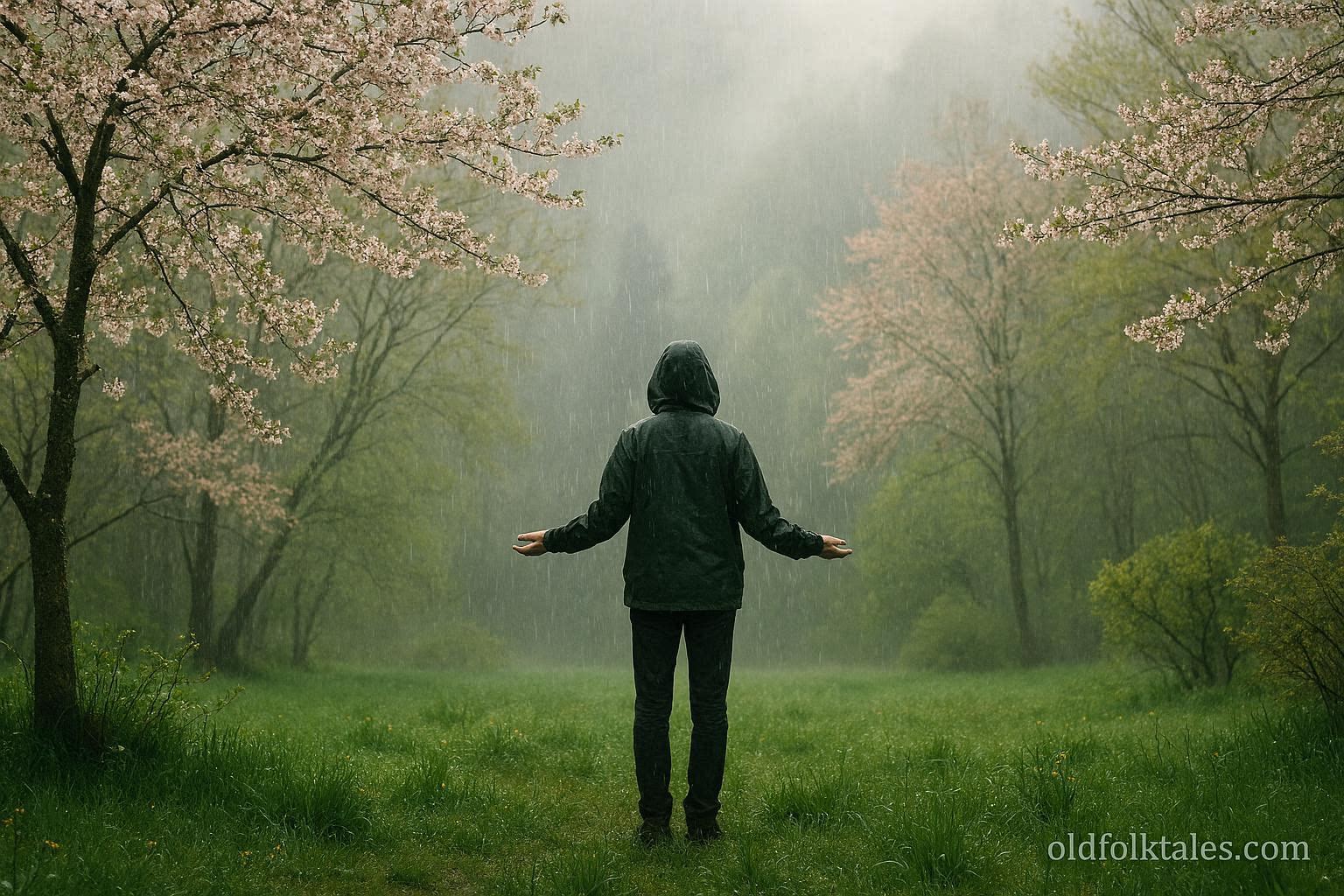
For many communities, this first rain is welcomed. People step outside, not to avoid it, but to experience it. Some stand quietly, allowing the rain to fall around them. Others walk through it, feeling the shift in the season. The rain becomes a shared experience, a moment that connects people to the change taking place.
The soil responds quickly. What was once firm and closed begins to soften. The water seeps in, reaching the seeds that have been waiting beneath the surface. Though nothing may be visible immediately, the process of growth begins at that moment.
In traditions connected to both Indigenous and rural communities, the first rain is often seen as a form of renewal. It is not just water falling from the sky, but a signal that the cycle of life is beginning again. The rain prepares the land, making it ready for planting, growth, and change.
Some traditions include simple practices during this time. A person may stand quietly in the rain, offering thoughts of gratitude. Others may collect small amounts of rainwater, seeing it as a symbol of the new season. These actions are not complex, but they carry meaning. They reflect an awareness of the connection between people and the natural world.
The importance of seasonal changes like this is studied and preserved by institutions such as University of Washington, where the relationship between weather patterns and human experience is explored. These traditions are not only cultural, but practical, helping people understand and respond to the environment around them.
As the rain continues, the landscape begins to change. Grass grows greener, small plants begin to emerge, and trees show the first signs of new leaves. The transformation is gradual, but steady. Each rainfall adds to the process, building on the beginning marked by the first spring rain.
The emotional impact of this moment is just as important as the physical change. After the long stillness of winter, the rain brings a sense of relief. It signals that the difficult season is ending and that new opportunities are ahead. The feeling of renewal extends beyond the land and into daily life.
The first rain also carries a sense of hope. It reminds people that change is possible, that even after a period of rest or difficulty, growth can return. This idea becomes part of how the season is understood, shaping both actions and expectations.
In daily life, this transition influences many activities. Gardeners begin preparing the soil, farmers plan their planting, and communities adjust to the new rhythm of the season. The rain becomes part of this process, guiding decisions and marking the right time to begin.
Even in modern settings, where people may be less directly connected to the land, the first rain of spring still carries meaning. The change in the air, the sound of the rain, and the shift in the environment are noticed, even if only briefly. The moment may pass quickly, but its effect remains.
The tradition of welcoming the first rain continues because it is simple and universal. It does not require tools, preparation, or special conditions. It only requires awareness. The ability to notice the change, to pause, and to recognize what it represents.
As spring continues, the rain becomes more frequent, but the first rainfall remains unique. It marks the beginning, the moment when the cycle shifts and the season turns. Everything that follows builds on that point.
Each year, the process repeats. Winter comes and goes, the signs of change appear, and the first rain falls once more. The tradition remains, not because it is required, but because it carries meaning. It connects people to the rhythm of the seasons and reminds them of the patterns that shape life.
In this way, the first rain of spring is more than a weather event. It is a moment of transition, a signal of renewal, and a reminder that every ending leads to a new beginning. The rain falls, the land responds, and the cycle continues, steady and reliable.
Click to read all American Traditions & Beliefs — the living folklore of daily life, customs, and superstitions.
Moral Lesson
Every new beginning brings renewal, and recognizing change helps us move forward with hope.
Knowledge Check
- What does the first spring rain symbolize?
Renewal and new beginnings - How is it different from winter rain?
It carries warmth and signals seasonal change - How do people respond to the first rain?
They welcome and observe it - What effect does the rain have on the land?
It softens the soil and begins growth - Why is this tradition important?
It connects people to seasonal change - What is the main idea of the story?
That change brings renewal and hope
Source
Adapted from materials preserved by University of Washington
Cultural Origin
Pacific Northwest tradition