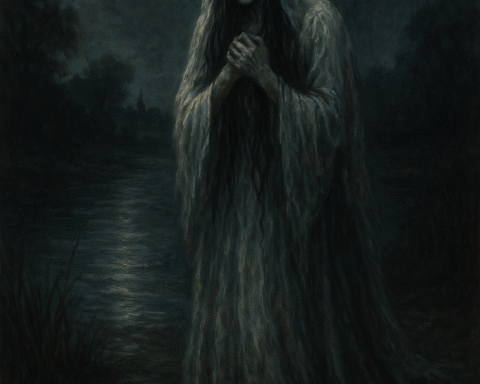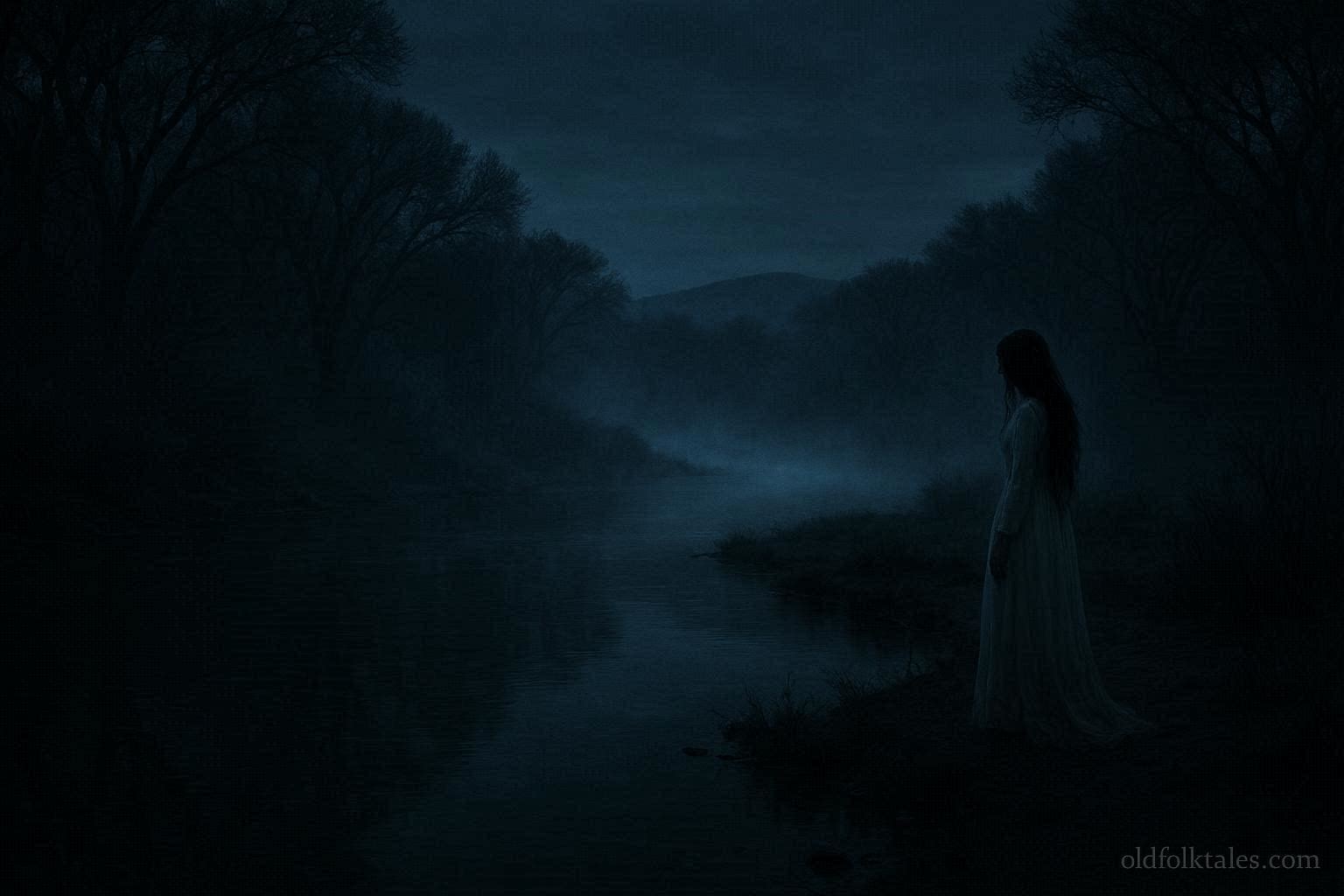
Along the winding banks of the Rio Grande in New Mexico, the air grows heavy at night with the sound of rushing water and the whisper of desert winds. Locals tell a chilling tale that has persisted for generations: the story of La Llorona, the Weeping Woman. She is said to wander the riversides, her long, white gown fluttering like mist over the water, crying inconsolably for the children she lost long ago. Travelers and residents alike have claimed to hear her sobs echoing through the night, see fleeting glimpses of her shadow gliding along the water’s edge, or feel an inexplicable chill as though the river itself mourns with her.
The legend traces back to early Hispanic settlers in the Rio Grande Valley, though some versions suggest Indigenous roots as well, blending local spirit traditions with colonial narratives. La Llorona, the story goes, was a woman of extraordinary beauty who fell in love with a man of status. They married, but their love turned sour when he abandoned her for another. In grief and anger, she committed the unthinkable, drowning her children in the river she loved. Realizing what she had done, she wandered the riverside in torment, crying for the children she could no longer protect. Her cries, filled with sorrow and regret, became a warning to all who heard them.
Generations of local families have passed down the story, particularly warning children to stay away from rivers at night. Parents whisper her name in admonition: “Be careful near the water, or La Llorona will take you.” Travelers along quiet stretches of the Rio Grande report seeing a pale figure standing motionless at the edge of the water, sometimes beckoning toward the river, only to vanish when approached. Hikers and campers have found small wet footprints leading toward the riverbank, though no one is there to account for them. The sound of sobbing, mournful and rhythmic, carries along the water long after the source has disappeared.
Explore ancient Native American creation myths and the symbolic tales that shaped America’s belief systems.
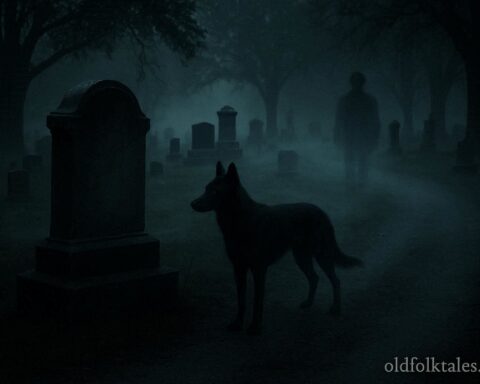
One particularly famous account tells of a young boy walking home from school along the riverbank after dark. He heard the crying before he saw her, a sorrowful wail that made the hairs on his neck stand on end. He looked up to see a tall figure in white, her hair loose and dark, moving slowly across the sandbars. The boy froze, unable to move, as the figure seemed to search for something or someone. Terrified, he ran home, never again venturing near the river after sunset. Such stories are common and have become a cultural touchstone of the Rio Grande region.
La Llorona’s legend is not merely a tale of fear; it carries moral lessons. She embodies grief, loss, and the consequences of rash or destructive actions. Her cries serve as warnings, encouraging vigilance, respect for nature, and care for children. Many locals view her story as a blend of cautionary tale and cultural memory, a bridge between the living and the past. Some even leave small offerings near the river, flowers, candles, or coins as gestures of respect and to appease her restless spirit.
Paranormal researchers and folklorists have documented numerous sightings and auditory experiences along the Rio Grande. Some describe unusual light phenomena over the water at night, or the sudden disappearance of shadows that seem human but lack substance. Others report strange sounds, like crying that echoes differently from the natural river currents. While skeptics argue that mist, wind, and echoes could explain many of these experiences, the enduring consistency of the accounts across generations strengthens La Llorona’s place in regional folklore.
The story also serves as a cultural anchor for Rio Grande Hispanic communities. La Llorona connects modern listeners to their ancestors, to the hardships, loves, and tragedies of early settlement, and to the rivers that shaped life in the arid Southwest. Elders recount the tale during family gatherings, especially near the water, preserving lessons about caution, responsibility, and the power of unresolved grief. The river, once a source of life, becomes both a site of beauty and danger, a stage for the eternal lament of a woman who cannot find peace.
Visitors to the Rio Grande today continue to feel the weight of the legend. Some claim to see her only in reflections on the water or in shadows cast by moonlight on the sandbars. Others have felt sudden chills, as if the air carries her sorrow. Despite the fear she inspires, La Llorona’s presence is more a reminder than a threat, a spectral testament to grief, loss, and the enduring bonds of love. Her story continues to inspire art, literature, and local customs, ensuring that the Weeping Woman remains a powerful figure in Southwestern ghost lore.
Click to explore all American Ghost Stories — haunting legends of spirits, lost souls, and mysterious places across the U.S.
Moral Lesson
La Llorona teaches the importance of responsibility, vigilance, and the consequences of actions taken in anger or despair. She reminds communities to protect children, respect nature, and honor the lessons of the past, showing that sorrow and loss can endure when not addressed with care.
Knowledge Check
- Where is La Llorona said to appear?
Along the Rio Grande riverside in New Mexico. - What tragic act defines her legend?
She drowned her children in a river in grief and anger. - How is she usually described in sightings?
A tall, shadowy figure in a white gown, with dark hair, wandering the riverbanks. - What sounds are associated with La Llorona?
Sobbing, wailing, and cries that carry along the river. - How do locals interpret her presence?
As a cautionary, protective, and mourning spirit warning of danger. - What moral lesson does her story convey?
Responsibility, care for children, respect for nature, and awareness of consequences.
Source
Adapted from University of New Mexico SW Research Center
Cultural Origin
Rio Grande Hispanic communities, New Mexico