As autumn begins to fade and the air grows colder with each passing day, there is a quiet urgency that settles over rural communities. The bright colors of the season slowly disappear, replaced by bare trees and longer nights. In many parts of New England, this shift signals the approach of winter, a season that demands preparation, patience, and care. Among the most important traditions during this time is the gathering and stacking of firewood.
Before winter arrives, families turn their attention to the task of securing enough wood to last through the cold months. This is not a task that can be delayed or taken lightly. The warmth of the home, the ability to cook, and the comfort of daily life often depend on the fire that will burn steadily indoors. The preparation begins long before the first snowfall, while the ground is still workable and the days still allow time for outdoor labor.
The process starts with selecting the right wood. Fallen trees, cut logs, and prepared timber are gathered with care. Not all wood burns the same way, and experienced hands know how to choose pieces that will provide steady heat. The work requires effort, but it also requires knowledge passed down through generations. Families understand the importance of drying the wood properly, allowing it to season so that it burns cleanly and efficiently when needed.
Step into shadowy legends of restless spirits and ghostly travelers in American Ghost Stories.
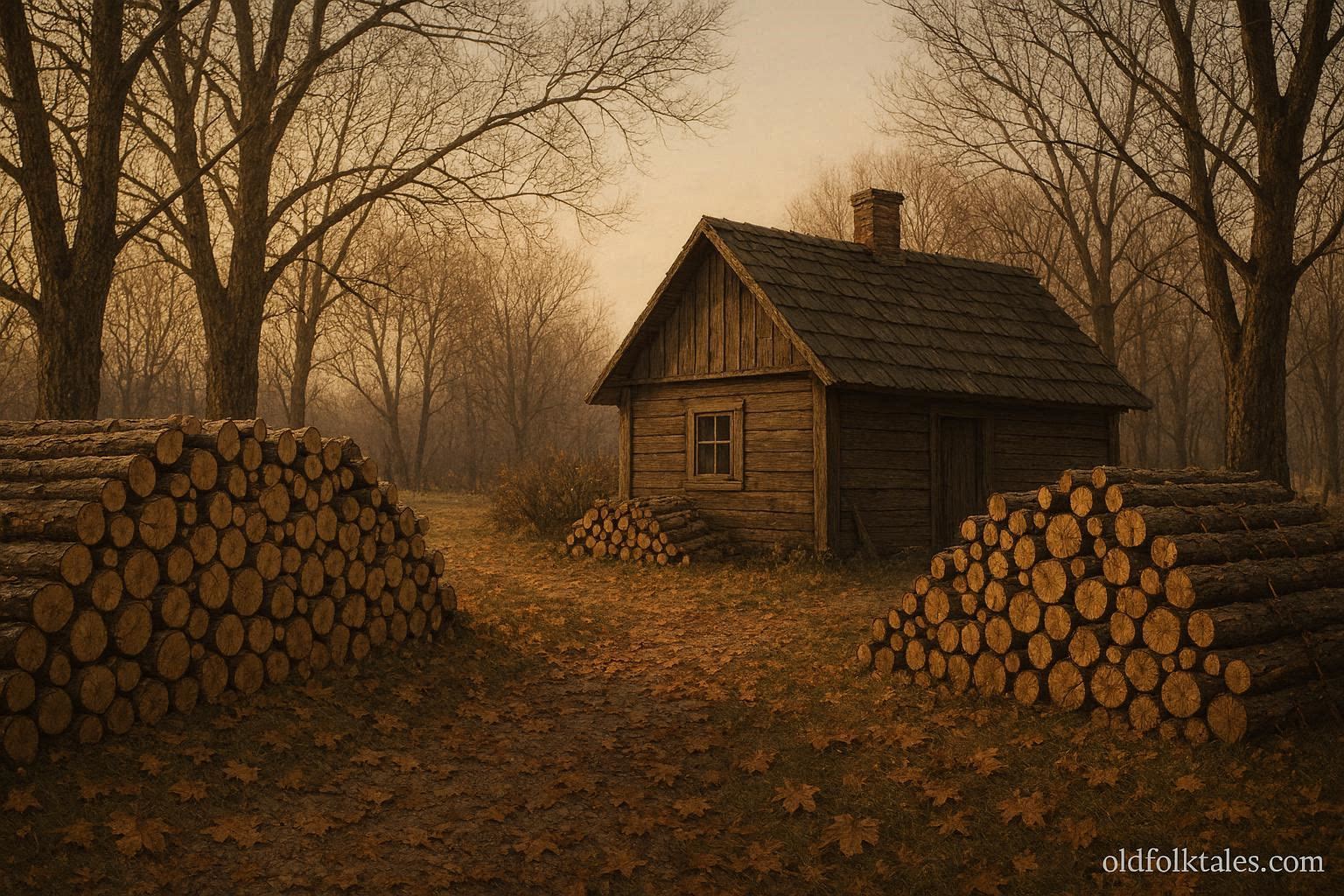
Once the wood is gathered, the act of stacking begins. This is where the ritual takes shape. It is not simply a matter of piling logs together, but of arranging them with intention. Each piece is placed carefully, forming rows that allow air to pass through. The stacks are built to remain stable through wind, rain, and eventually snow. The structure matters, not only for function, but as a reflection of the care put into the work.
The stacking itself often becomes a shared activity. Family members work together, passing logs, arranging rows, and building the stacks higher with each movement. The rhythm of the work creates a sense of unity. Conversations flow naturally, stories are shared, and the task becomes more than preparation. It becomes a moment of connection, shaped by both effort and presence.
Children learn by watching and participating. They carry smaller pieces of wood, observe how the stacks are built, and begin to understand the importance of the task. Through this involvement, the tradition is passed on, not through instruction alone, but through experience. The work teaches responsibility, patience, and awareness of the changing seasons.
As the stacks grow, there is a visible sense of progress. Rows of neatly arranged wood stand as a sign of readiness. They represent not only the effort that has been made, but the security that has been created for the months ahead. Each log placed is a step toward comfort during winter, a quiet assurance that the cold will be met with warmth.
In traditions preserved and studied by institutions such as University of Maine, firewood preparation is recognized as an essential part of seasonal life. It reflects a practical need, but also a deeper connection to the environment. The work aligns with the rhythm of nature, responding to the approach of winter with thoughtful action.
The ritual also carries a sense of timing. Late autumn is the moment when the work must be completed. Waiting too long can make the task more difficult, as colder temperatures and early snow begin to limit what can be done. The urgency is balanced with care, ensuring that the work is done properly without being rushed.
As the final logs are stacked, there is often a moment of quiet satisfaction. The work is complete, and the preparation is in place. The stacks stand ready, waiting to be used when winter arrives. This moment marks a transition, a shift from active preparation to readiness.
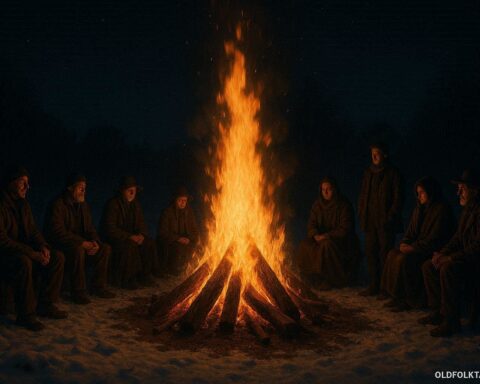
When winter finally comes, the importance of the ritual becomes clear. Snow covers the ground, the air turns sharp, and the days grow shorter. Inside the home, the fire burns steadily, fueled by the wood that was carefully gathered and stacked. Each piece placed into the fire carries the memory of the work done in autumn.
The warmth that fills the space is not just physical. It carries a sense of security, created through preparation and effort. The fire becomes a center point, a place where families gather, share meals, and spend time together. The connection between the work of autumn and the comfort of winter is clear.
The ritual of stacking firewood is not only about survival. It is about understanding the relationship between seasons. Autumn is a time of preparation, winter a time of endurance. One leads into the other, and the actions taken during one season shape the experience of the next.
Even in modern times, where heating systems have replaced traditional fires in many homes, the practice continues in various forms. For some, it remains a necessity. For others, it is a way of staying connected to tradition and the natural cycle of the year. The act of stacking wood still carries meaning, even when it is no longer required for survival.
The stacks themselves often stand as quiet symbols. They reflect order, readiness, and the care taken to prepare for what is ahead. Their presence in the landscape serves as a reminder that winter is coming, and that it has been accounted for.
Each year, as autumn returns and the air begins to cool once again, the ritual begins anew. The gathering, the stacking, the shared work all take place once more. The process may feel familiar, but it remains important. It reinforces the understanding that preparation is not a one-time effort, but a continuous part of life.
In this way, the late autumn firewood stacking ritual becomes more than a seasonal task. It becomes a tradition that carries meaning across generations. It teaches that effort made in the present can shape comfort in the future, and that working together strengthens both the home and the community.
The changing seasons continue their cycle, but the lessons remain the same. Prepare with care, act with intention, and understand the value of what is done before the need arises. In the quiet rows of stacked wood, these lessons are held, ready to be remembered each time the fire is lit.
Explore how American superstitions and rituals still influence modern life and local traditions.
Moral Lesson
Preparation and teamwork create comfort and security for the future.
Knowledge Check
- When is firewood usually prepared?
In late autumn before winter - Why is stacking firewood important?
It provides warmth and comfort during winter - What does the stacking process require?
Care, planning, and teamwork - What do children learn from this tradition?
Responsibility and seasonal awareness - What does the stacked wood represent?
Preparation and readiness - What is the main idea of the story?
That preparation is essential for future comfort
Source
Adapted from materials preserved by University of Maine
Cultural Origin
New England tradition