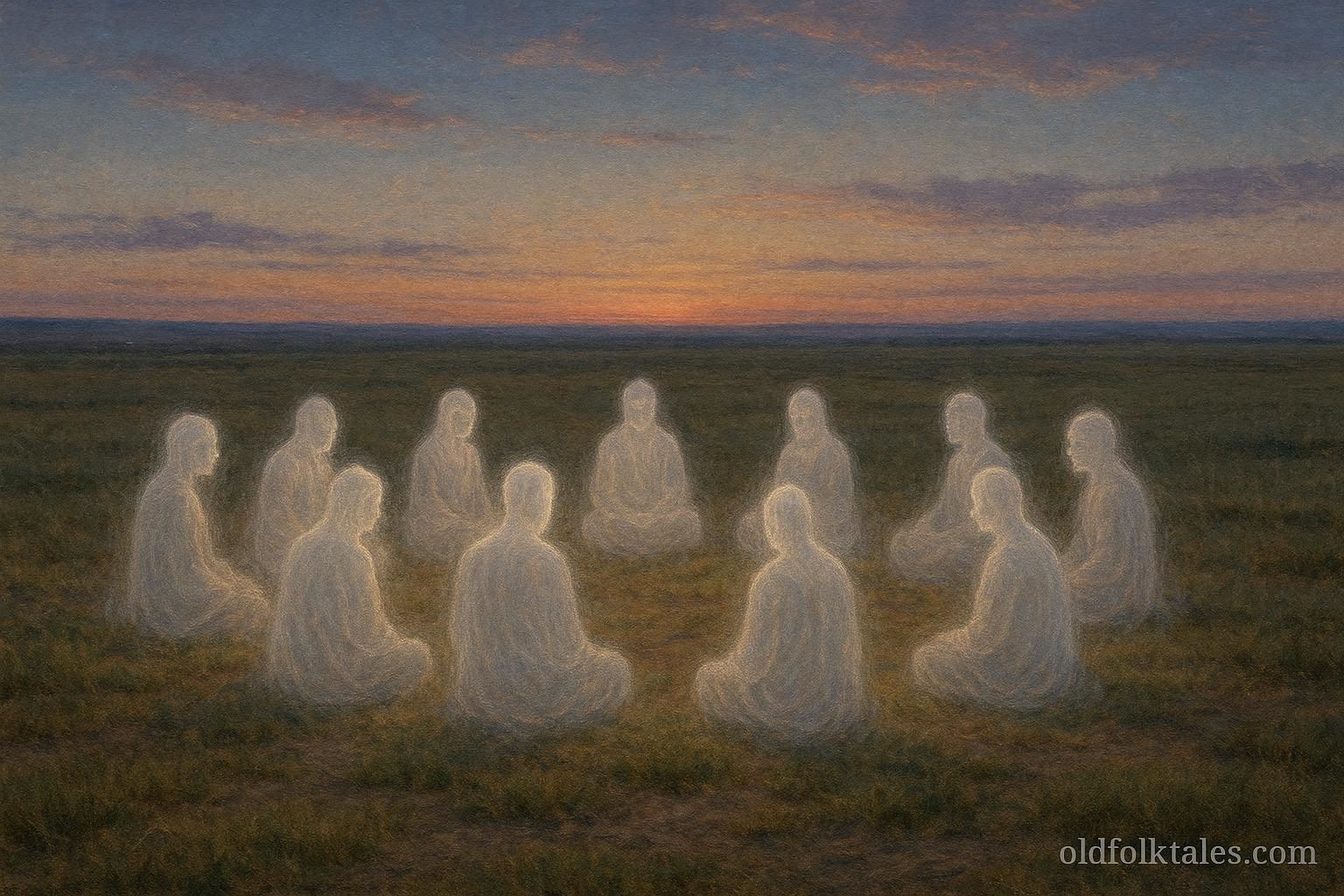
Across the Plains, long before written records or permanent structures, council grounds served as the heart of Indigenous governance. These were not buildings or monuments. They were carefully chosen open spaces where leaders gathered to speak, listen, and decide matters that affected entire nations. The land itself was believed to take part in these gatherings, holding memory and authority long after voices faded.
Council grounds were selected through observation and tradition. Elders studied wind patterns, water flow, animal movement, and the feeling of the place itself. A suitable council ground was one where the earth felt balanced and receptive. Once chosen, it was prepared through ceremony. Fire was lit. Silence was observed. Words were spoken with care. From that moment on, the land was no longer ordinary.
During councils, speech carried responsibility. People believed that careless words could harm the land and those who depended on it. Decisions were not rushed. Silence was respected as much as speech. Elders taught that the ground listened, absorbing every agreement, warning, and promise made upon it. When councils ended for the day, the land remained awake.
Explore how American legends shaped the nation — from frontier heroes to Revolutionary War tales.
As generations passed, many council grounds were left behind. Some were abandoned after forced removal. Others were forgotten as communities were scattered or traditions disrupted. Yet according to oral history, something remained beneath those places. The spirits of governance did not travel with the people. They stayed with the land that had witnessed their duty.
These spirits were not thought of as wandering ghosts. They were understood as ancestral presences bound to responsibility rather than emotion. They represented collective memory, authority, and accountability. Elders described them as seated beneath the earth, arranged as councils once were, continuing their watch in silence.
The spirits were believed to surface only during certain seasons. Spring and autumn were most often mentioned, times when balance shifted and transitions occurred. During these seasons, people passing near old council grounds reported changes in the atmosphere. The air felt heavier. Sounds seemed muted. Some described a sense of being observed without fear.
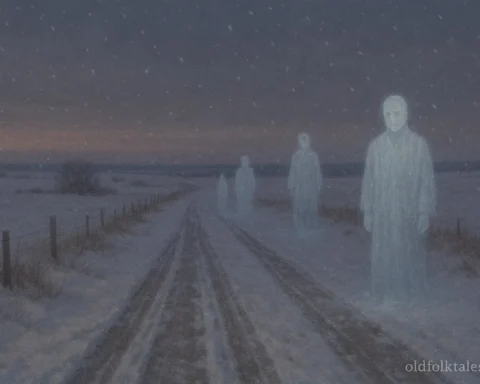
Children were often the first to notice signs. They spoke of hearing low murmurs rising from the ground, not words but rhythms like breathing or distant conversation. Some described seeing faint human forms sitting in circles during early morning or evening light. These forms appeared briefly and faded without movement.
Adults rarely described seeing figures. Instead, they spoke of sensations. A sudden urge to lower their voices. A feeling of respect settling over them. Hunters slowed their steps. Travelers avoided stopping nearby without knowing why. Animals were said to behave cautiously around these places, moving quietly or refusing to linger.
Elders explained that the spirits beneath council grounds did not seek attention. They did not give warnings or instructions. Their presence was a reminder rather than a message. The land still remembered what had been decided there, and that memory deserved respect.
Because of this belief, former council grounds were treated carefully. People avoided loud celebrations, careless speech, or unnecessary construction in these areas. Offerings were sometimes left nearby, such as water, cornmeal, or tobacco. These acts were not meant to appease the spirits but to acknowledge continuity.
Children raised with these teachings learned early that land could remember. They were taught to pause when crossing certain places, to listen rather than speak, and to understand that leadership did not vanish when councils ended. It settled into the earth.
Even when communities were separated from these lands, stories of the spirits endured. Elders spoke of them to remind younger generations that governance carried lasting responsibility. Decisions were never isolated moments. They shaped futures and remained embedded in the land itself.
In this way, the legend of spirits living beneath old council grounds was not a story of fear. It was a lesson in accountability. The land remembers what people choose to forget. Authority, once exercised, leaves an imprint that does not disappear.
Click to explore all American Ghost Stories — haunting legends of spirits, lost souls, and mysterious places across the U.S.
Moral Lesson
Leadership leaves lasting traces. Decisions made with responsibility continue to shape the land and the people long after voices fall silent.
Knowledge Check
- What role did council grounds serve in Plains Indigenous communities?
They were places of governance and decision making. - Why was silence important during councils?
Because the land was believed to listen and retain memory. - What happened to council grounds after they were abandoned?
Spirits were believed to remain beneath them. - When were the spirits most likely to surface?
During seasonal transitions such as spring and autumn. - Who most often noticed signs of the spirits first?
Children. - What did the spirits represent?
Collective authority, memory, and responsibility.
Source
Adapted from Smithsonian Indigenous governance oral tradition collections
Cultural Origin
Plains Indigenous nations