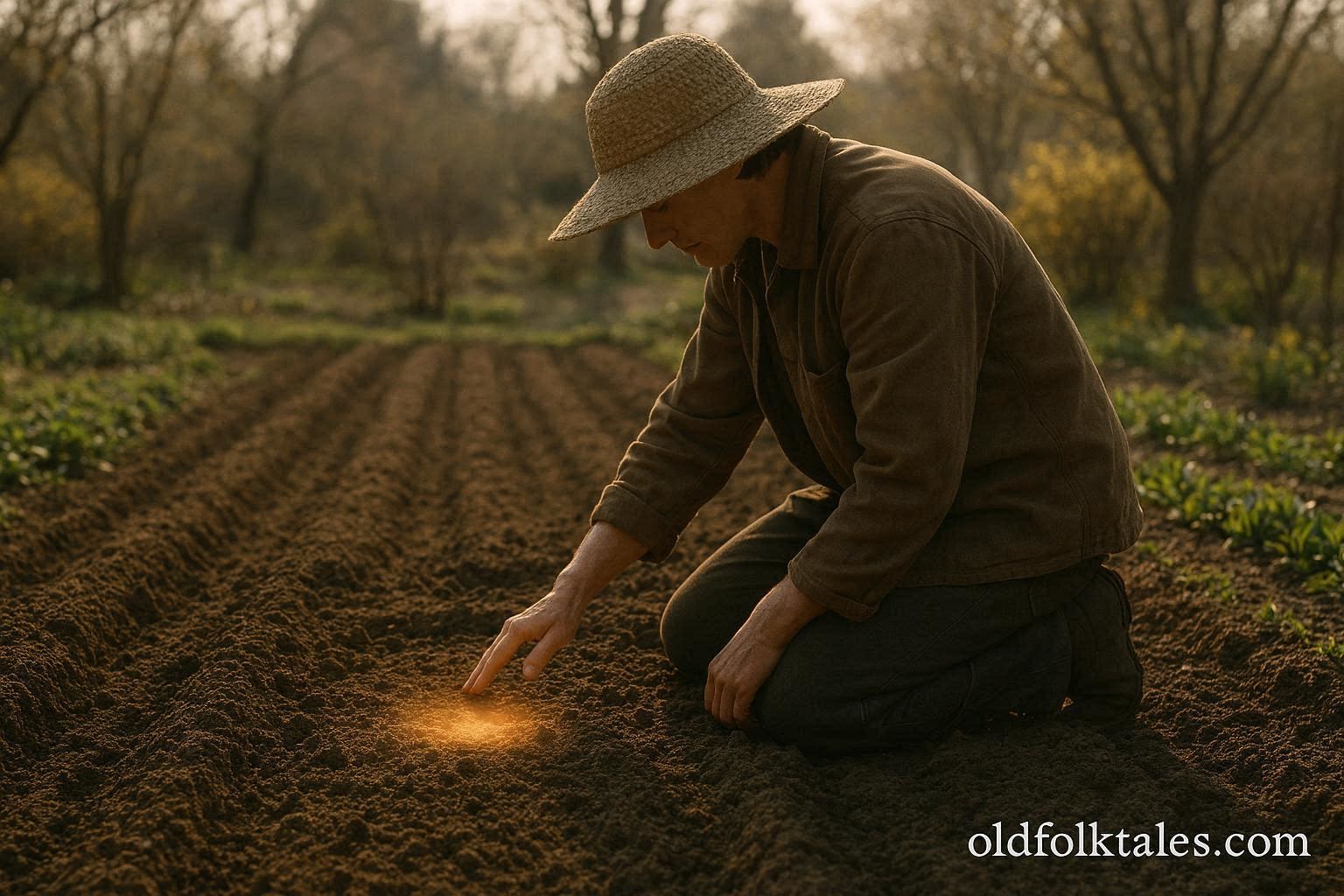
At the edge of spring, when the cold begins to loosen its hold and the earth softens beneath careful hands, there is a quiet moment that comes before any seed touches the soil. In many communities across United States, this moment is not rushed or overlooked. It is treated with care, intention, and awareness, marking the true beginning of the planting season. Long before tools are picked up or seeds are placed into the ground, the gardener pauses to recognize that something important is about to begin.
The land itself shows signs of readiness, but these signs must be observed with patience. The air becomes warmer, though still gentle. The soil, once hard and unyielding, begins to soften under the sun. Birds return, filling the mornings with sound, and small changes appear across the landscape. These details may seem ordinary, but to those who work closely with the land, they are signals that the season has changed. The gardener learns to trust these signs, understanding that nature moves in its own time.
Before planting begins, many gardeners choose to perform a blessing. This practice takes different forms depending on tradition, but the meaning remains the same. It is a moment of connection between the person and the land, a way of acknowledging that growth is not created by effort alone. The blessing may be silent, with hands placed gently on the soil, or spoken aloud in simple words of gratitude and hope. Some sprinkle water across the ground, while others stand quietly, allowing the moment to settle around them.
Encounter the strange and the unseen — from Bigfoot to regional monsters hiding in America’s forests.
This act of blessing is not about controlling the outcome of the garden. It is about beginning with the right mindset. The gardener understands that while they will plant, water, and tend to the crops, the final result depends on many forces beyond their control. Rain must fall at the right time. The sun must provide warmth. The soil must hold the seeds and allow them to grow. The blessing becomes a way of recognizing this balance and accepting the role of both effort and nature.
In traditions connected to Indigenous and rural communities, the land is often viewed as something more than a resource. It is seen as a living presence, something that supports life and deserves respect. The garden blessing reflects this understanding. It is not simply a habit, but a way of forming a relationship with the earth. The gardener approaches the soil with care, not taking from it without first giving acknowledgment. This idea continues to be preserved and studied in places such as Cornell University, where traditional practices are recognized for their lasting importance.
After the blessing, the work of planting begins, but it does so with a different feeling. The gardener moves with purpose, placing each seed into the soil with attention. There is no rushing, no careless movement. Each action is deliberate. Rows are formed carefully, spacing is considered, and the process follows a steady rhythm. The earlier moment of reflection carries into the work, shaping how each task is performed.
As the days pass, the garden begins to respond. At first, there is little to see, only soil that appears unchanged. But beneath the surface, the seeds begin their work. Slowly, they push upward, breaking through the soil to reach the light. The first small green shoots appear, fragile but full of life. These early signs are often met with quiet satisfaction. They are a reminder that the process has begun, that the effort and intention are taking form.
The growth of the garden continues as spring moves forward. The days become longer, the sunlight stronger, and the plants develop steadily. The gardener tends to the space with patience, watering when needed, removing weeds, and observing changes. There is a rhythm to this care, a balance between action and waiting. The blessing performed at the beginning continues to influence this process, encouraging a sense of respect and awareness.
Not every season is the same, and the gardener understands this. Some years bring strong growth and abundance, while others present challenges. Weather may shift unexpectedly, pests may appear, or growth may slow. The practice of blessing helps the gardener respond to these changes with understanding rather than frustration. It teaches acceptance, reminding them that nature cannot be forced to follow a perfect path.
The garden, in this way, becomes more than a place of production. It becomes a space of learning and reflection. Each season offers new experiences, new challenges, and new lessons. The gardener grows alongside the plants, gaining a deeper understanding of patience, effort, and balance. The connection between person and land strengthens over time, shaped by both success and difficulty.
Even in modern settings, where gardens may be smaller or located in urban areas, the practice of blessing continues. It does not require a large space or traditional tools. A simple pause before planting, a moment of quiet thought, or a gentle touch of the soil can carry the same meaning. The tradition adapts, but its purpose remains unchanged.
The importance of beginnings is at the heart of this practice. The way something starts can influence everything that follows. By beginning with intention, the gardener sets a tone for the entire season. This approach shapes not only the physical work of gardening, but also the mindset with which it is done.
As the season moves toward summer and the plants reach maturity, the results of the early efforts become clear. Leaves grow full, fruits begin to form, and the garden becomes a space of abundance. The work that began with a simple blessing now shows its outcome, not just in what has grown, but in the experience that has been created.
The cycle does not end there. After the harvest, the land will rest, and the seasons will continue to change. But when spring returns, the opportunity to begin again will be there. The soil will soften, the signs will appear, and the moment for blessing will come once more.
Each year, the process repeats, but it is never exactly the same. The garden changes, the conditions shift, and the gardener continues to learn. Through it all, the practice of blessing remains a constant, a reminder that growth is not only about what is produced, but about how it begins.
In this way, the spring garden blessing is more than a ritual. It is a way of thinking, a way of approaching both the land and life itself. It teaches that respect, patience, and intention are just as important as effort. It shows that every beginning carries meaning, and that even the simplest moment can shape what comes next.
Step into America’s cultural roots — from folk healing and weather lore to seasonal celebrations.
Moral Lesson
Starting with intention and respect helps create a meaningful and balanced outcome.
Knowledge Check
- What happens before planting begins?
A blessing or moment of reflection is performed - Why is the garden blessed?
To show respect and hope for growth - What signs show that the land is ready?
Warmth, returning birds, and absence of frost - What does the blessing represent?
Connection between people and nature - How does the blessing affect the gardening process?
It encourages care and patience - What is the main idea of the story?
That intention and respect are important in every beginning
Source
Adapted from materials preserved by Cornell University
Cultural Origin
Indigenous and rural traditions