Nestled in the quiet countryside of northern Florida, Bellamy Bridge arches gracefully over a meandering stream, its wooden planks worn by generations of travelers. Yet, this seemingly peaceful bridge carries a weight of sorrow and legend that stretches back more than a century. Locals tell of a mother, Eliza Bellamy, who tragically lost her child while crossing the bridge one stormy evening. Her grief was so profound that it is said her spirit could not leave the world of the living. Since that night, Bellamy Bridge has been more than a passage over water; it has become a sacred site of sorrow and a place where the past refuses to be forgotten.
The story begins in the late 1800s, when Eliza lived in a small rural community nearby. She had a young son, Samuel, beloved by all. One evening, Samuel was playing near the banks of the stream beneath the bridge. A sudden flash flood, brought on by an unexpected storm, swept him from her sight. Despite the frantic search by neighbors, Samuel was never found. Heartbroken, Eliza visited the bridge every day, calling for her son and leaving small offerings of flowers and trinkets at the wooden railings. She refused to leave the site, and her grief grew until it consumed her entirely. Villagers whispered that her soul became bound to the bridge, wandering and mourning, unable to find peace.
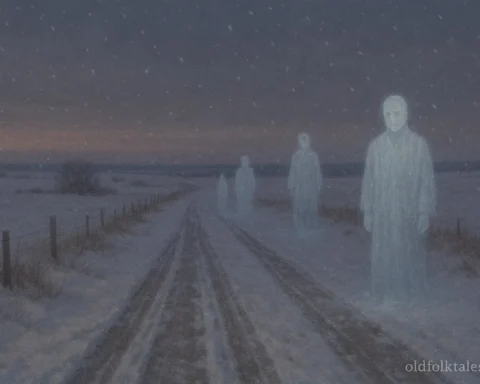
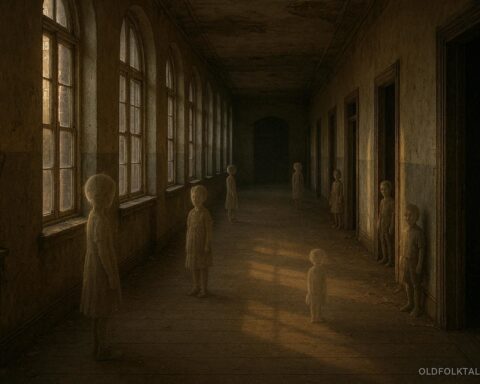
Over the years, travelers passing Bellamy Bridge began reporting strange occurrences. At night, many felt chills that seemed to crawl along the boards of the bridge, even in the heat of summer. Some heard a woman softly weeping or calling a child’s name, though no one could see anyone there. Others reported shadows moving along the rails, objects inexplicably shifting from where they were left, and an unsettling feeling of being watched. Horses would sometimes refuse to cross, and dogs would growl at empty air. Those familiar with the legend warned that the spirit of Eliza Bellamy remained vigilant, her sorrow tied to the loss of her child and the unfulfilled mourning of the living.
Discover African American wisdom, Native American spirit stories, and the humor of early pioneers in American Folktales.
Despite the fear the bridge inspired, it also became a place of reflection and reverence. Locals learned to leave small tokens, such as a flower or carved wooden charm, as signs of respect. Teenagers dared each other to walk across at night, hoping for a thrill, while storytellers used the legend to teach lessons about grief, empathy, and the power of unresolved sorrow. The story of Bellamy Bridge is more than a tale of haunting; it is a narrative that reminds the living of the consequences of ignoring grief, the persistence of memory, and the importance of honoring those who have suffered.
Over time, the bridge became a symbol of communal remembrance. Families would gather near the structure during anniversaries of Samuel’s disappearance, lighting lanterns and speaking of loved ones lost. Elders instructed children never to mock sorrow or approach tragedy lightly. The legend held that disrespecting the site could invite the restless spirit’s attention: objects might move, unexplained noises might startle, and travelers might feel a chill of warning that they were not alone. While some visitors sought the thrill of the supernatural, others treated the bridge as a solemn marker of human loss, understanding that Eliza’s spirit was not malicious but bound by grief that the living could help acknowledge and honor.
Throughout the decades, the tale has been passed down from generation to generation. Each retelling preserves the essential lesson: sorrow, loss, and grief are forces that shape lives long after a moment of tragedy. The bridge teaches that remembrance and respect are not only acts of kindness toward the departed but also safeguards for the living. The story of Eliza Bellamy reminds all who hear it that communities are strengthened when grief is shared, acknowledged, and transformed into collective empathy. Travelers who cross the bridge with reverence often report a sense of calm, as though the spirit has recognized their respect and allowed them safe passage.
Even in modern times, Bellamy Bridge remains a place of fascination. Photographers are drawn to its shadowed boards and the moss-covered railings, often capturing eerie images at dusk that echo the legend. Folklorists and historians study the site to understand how grief, memory, and storytelling intertwine in local culture. The bridge continues to teach a timeless lesson: human emotion, particularly profound sorrow, leaves traces that cannot be ignored, and remembering those lost is a vital act of communal integrity.
Discover chilling ghost tales and haunted places that echo through America’s towns and countryside.
Moral Lesson
The legend of Bellamy Bridge teaches that unresolved grief and sorrow can linger beyond death. Respect for sites of tragedy, empathy for those who suffered, and remembrance of the past are essential. Ignoring or disrespecting places marked by sorrow can invite unrest and misfortune into one’s own life. Treating grief with attention, reverence, and shared memory strengthens community bonds and honors the departed.
Knowledge Check
- Who is said to haunt Bellamy Bridge?
Answer: A grieving mother named Eliza searching for her lost child - Why does her spirit remain on the bridge?
Answer: She is tied to the site of her child’s tragic death and her unresolved grief - What phenomena do travelers report experiencing at night?
Answer: Weeping, shadows, displaced objects, chills, and a feeling of being watched - How do locals show respect to the bridge?
Answer: By leaving flowers or trinkets and avoiding lingering at night - What moral lesson does the legend teach?
Answer: Respect for sites of tragedy, empathy, and remembrance - Which broader theme does the haunting illustrate?
Answer: That unresolved grief and sorrow can linger beyond death
Source:
Adapted from Florida State University folklore and oral history archives
Cultural origin:
Southern rural American communities