In the Ozark Mountains, healing did not always begin in a doctor’s office. It often started at a kitchen table, on a wooden porch, or beside a wood stove where families gathered during illness and hardship. Long before modern clinics reached remote hollows, people relied on one another, on prayer, and on individuals believed to carry a special gift in their hands.
The faith healer was not a preacher, nor did she claim divine authority. She lived among the people, worked the same land, and shared the same struggles. What set her apart was a reputation that grew quietly, shaped by stories of pain eased, fevers broken, and spirits lifted when all other options had failed.
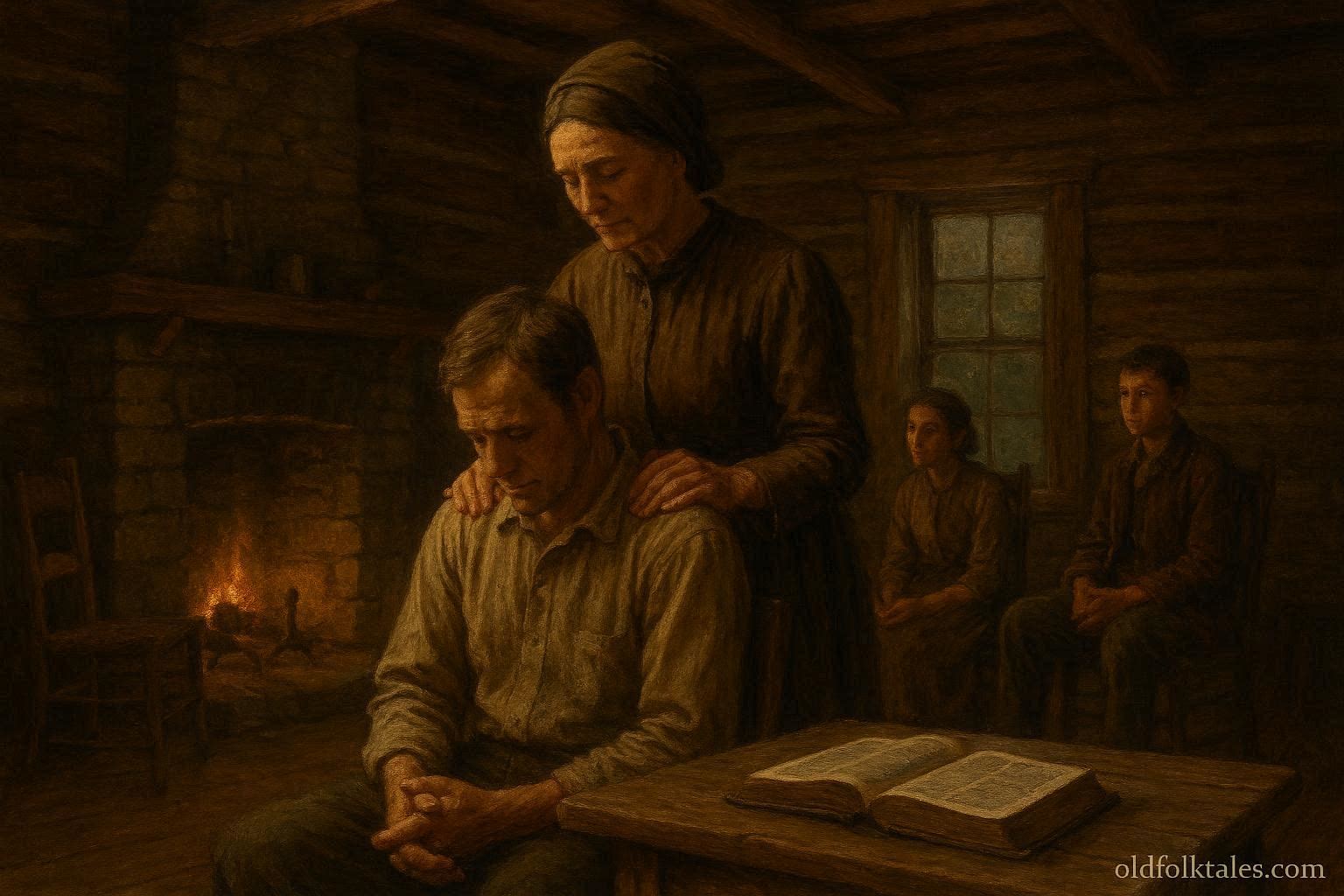
Her hands were ordinary in appearance. Calloused from work, marked by age, and steady rather than dramatic. Yet when she placed them gently on a person’s shoulders or forehead, the room often fell silent. Words followed, spoken aloud, slow and deliberate, shaped by Scripture, tradition, and personal conviction.
Explore the heart of America’s storytelling — from tall tales and tricksters to fireside family legends.
The prayers were never whispered. In Ozark belief, spoken words carried weight. Sound itself mattered. Healing required voice as much as touch. The healer believed that prayers spoken clearly could move fear out of the body and invite strength back in.
People came to her with ailments of every kind. Some carried visible wounds. Others arrived with sickness that lingered without explanation. Many came burdened by grief, exhaustion, or despair. She did not separate physical pain from emotional suffering. To her, they were connected.
When someone arrived, she asked few questions. She listened more than she spoke. Listening, she believed, prepared the space for healing. Only after the visitor had finished did she rest her hands lightly upon them and begin to pray.
The prayers followed no single script. They drew from memory, faith, and circumstance. Sometimes she recited familiar passages. At other times, the words flowed spontaneously, shaped by the person before her. The healer believed that sincerity mattered more than form.
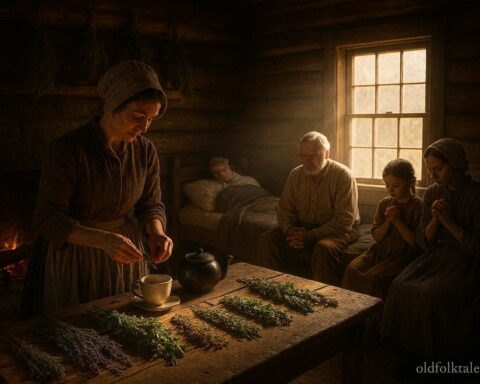
Family members often stood nearby. Healing in the Ozarks was communal. Witnesses strengthened belief, and belief strengthened hope. No one was asked to leave. No fee was required. Gratitude, when offered, came in the form of food, labor, or quiet respect.
Not every illness vanished. The healer never promised miracles. She insisted that healing took many forms. Relief might come as reduced pain, restored calm, or renewed courage to endure. Success was not measured by cure alone.
Skeptics existed, as they always do. Some accused her of false hope. Others dismissed her work as coincidence. Yet even those who doubted often returned when faced with suffering they could not bear alone. In the Ozarks, practicality and belief were not enemies.
During times of widespread illness, her home became a gathering place. People waited patiently, sometimes for hours, sitting together in silence or shared prayer. The atmosphere itself carried comfort. Fear loosened its grip when people felt seen and supported.
The healer’s power, as she understood it, came not from herself but from responsibility. She believed misuse of the gift would weaken it. Pride, she warned, closed the hands rather than strengthened them. Humility kept them open.
As she aged, younger members of the community asked her to teach them. She refused to name successors. The gift, she said, was not passed by instruction alone. It emerged through character, patience, and service. Anyone could pray, but not everyone listened deeply enough to heal.
Stories about her spread beyond the mountains. Outsiders arrived, curious or desperate. She treated them as she treated everyone else. The mountains did not distinguish between strangers and kin, and neither did she.
After her passing, people spoke of her hands as if they remembered touch. Some claimed they felt warmth in the same places she once prayed. Others said her voice echoed when they spoke healing words aloud themselves.
What endured was not legend but practice. Families continued to pray aloud. They continued to lay hands gently on one another during sickness. They continued to believe that healing was not only something received, but something shared.
In the Ozarks, faith healing never replaced medicine when it became available. Instead, it remained alongside it, filling spaces where science alone could not reach. The healer’s hands became a symbol of care rooted in belief, community, and responsibility.
Her story endured because it reflected something essential. Healing was never just about the body. It was about being held, heard, and surrounded by hope when the world felt uncertain.
Step into America’s cultural roots — from folk healing and weather lore to seasonal celebrations.
Moral Lesson
Healing is strengthened when belief, compassion, and communal care work together.
Knowledge Check
1. Where did healing often take place in Ozark communities?
In homes, on porches, and within shared community spaces.
2. Why were prayers spoken aloud rather than whispered?
Because spoken words were believed to carry greater power.
3. Did the faith healer promise guaranteed cures?
No, she emphasized relief, strength, and hope rather than certainty.
4. Why were family members encouraged to stay present?
Their belief and presence reinforced communal healing.
5. What did the healer believe weakened the gift of healing?
Pride and misuse of responsibility.
6. What lasting impact did her practice leave behind?
A tradition of shared prayer, touch, and communal support.
Source
Adapted from University of Arkansas Ozark folklore studies
Cultural Origin
Ozark Mountain communities