In the rolling countryside of southeastern Pennsylvania, where barns stood painted with careful symbols and fields followed the slow patience of seasons, there lived a healer whose work was known but rarely discussed. People did not speak his name loudly. They said only that if illness lingered or misfortune would not loosen its grip, one could walk the narrow road past the sycamore grove and knock once on his door.
The healer was part of a tradition called powwow, a German American folk practice that blended Christian prayer, spoken charms, and inherited ritual knowledge. To outsiders it appeared simple. To those who understood it, powwow required discipline, humility, and restraint. The healer believed his power did not come from him, but from words preserved through obedience and faith.
At the center of his practice was a small book he kept hidden from view.
Discover chilling ghost tales and haunted places that echo through America’s towns and countryside.
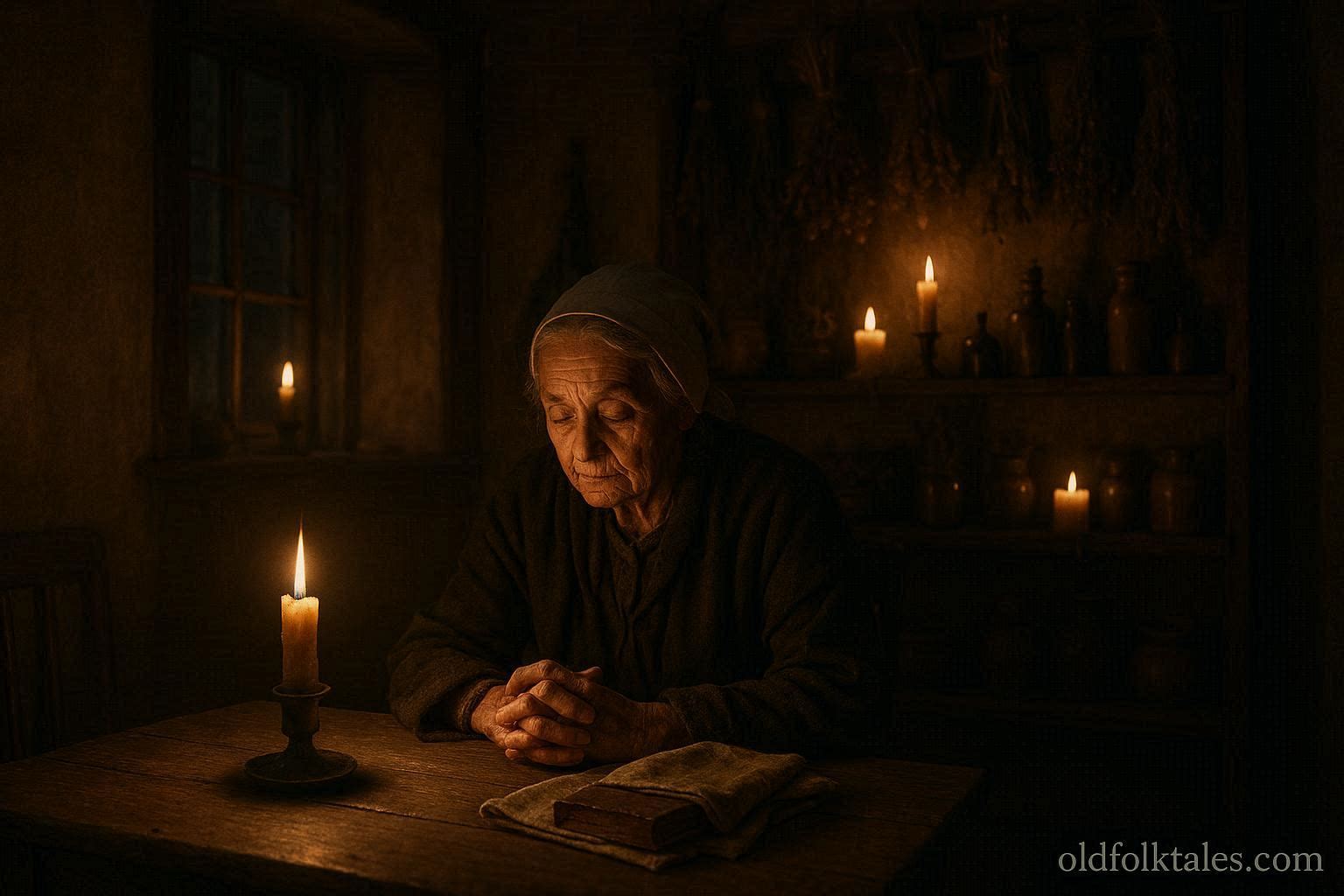
It was not large. Its cover was worn soft from age, the pages browned by candle smoke and time. The book contained written charms, prayers, and signs passed down through generations of Pennsylvania Dutch healers. Some entries were written in careful German script. Others were marked only with symbols or verses from scripture, copied and recopied until the ink itself seemed part of the meaning.
The healer had received the book as a young man from his grandmother. She had placed it into his hands only after he promised never to sell its words, never to boast of its contents, and never to use it for harm. She told him the book would lose its strength if spoken of carelessly. Knowledge, she said, survived only when protected.
For years the healer used the book sparingly. He treated burns by whispering scripture while tracing crosses in the air. He eased swelling by reciting verses taught to him long before he understood their meaning. He never charged money. Instead, people left bread, candles, or help with the harvest. Gratitude, not payment, sustained the exchange.
As time passed, curiosity grew around the healer’s work. Outsiders arrived, asking questions that felt sharp rather than sincere. Some wanted proof. Others wanted copies of the words. A few offered money, believing knowledge could be purchased if the price was right.
Each time, the healer refused.
He knew the book was not simply a collection of remedies. It was a responsibility. Every written charm carried the weight of those who had guarded it before him. If he treated it lightly, the chain would break.
One winter, a sickness swept through the valley. Livestock weakened. Children developed fevers that did not break. Fear traveled faster than truth. People whispered that the healer was holding back knowledge that could save them all.
The pressure grew heavier when a traveling preacher accused the healer of hiding forbidden practices. He demanded to see the book, claiming that anything hidden must be dangerous. The healer listened quietly and said nothing. He had learned long ago that argument weakened what patience preserved.
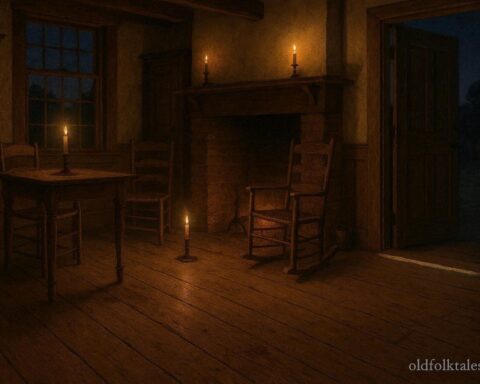
That night, alone by candlelight, he opened the book and read the first page. It reminded him why secrecy mattered. Powwow was not magic meant to impress. It was prayer shaped by responsibility. Written words were anchors, not weapons.
When the sick returned the next day, the healer worked from dawn until nightfall. He spoke softly. He followed every instruction passed down to him. He did not explain the words. He did not reveal the pages. Slowly, the fevers lifted. Strength returned. The valley steadied.
When calm replaced fear, the preacher never returned.
Years later, when the healer felt his hands grow unsteady with age, he chose a successor. He did not select the most curious or the most eager. He chose the one who asked the fewest questions and listened the longest. Before giving the book, he repeated the same promise his grandmother had required.
Guard the words. Serve quietly. Let faith speak louder than display.
The book disappeared once more into careful hands, and the tradition endured not because it was seen, but because it was respected.
Click to read all American Traditions & Beliefs — the living folklore of daily life, customs, and superstitions.
Moral Lesson
Knowledge rooted in faith and responsibility must be protected with humility. When sacred traditions are treated as tools for service rather than display, they retain their power across generations.
Knowledge Check
1. What role did the hidden book play in the healer’s practice?
It preserved written charms and prayers passed down through generations
2. Why did the healer refuse to show or sell the book’s contents?
Because the tradition required secrecy and respectful use
3. How was the healer compensated for his work?
Through gratitude and gifts rather than money
4. What risk threatened the powwow tradition during the sickness?
Public pressure to reveal or misuse sacred knowledge
5. Why did the healer choose a quiet successor?
Because restraint and listening were essential to preserving the tradition
6. What ensured the survival of the powwow practice?
Careful transmission rooted in humility and faith
Source
Adapted from Library of Congress American religious folklore collections
Cultural Origin
Pennsylvania Dutch communities