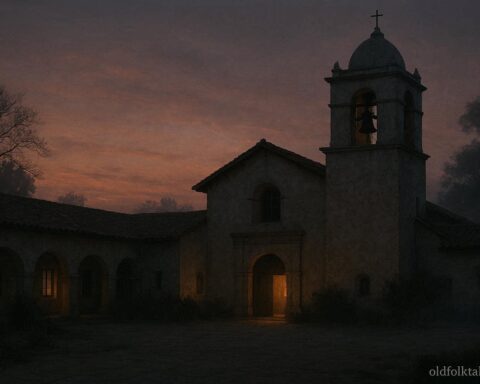
Along the quiet stretches of the Carolina coast, where the ocean met the land in long, shifting lines of sand, there existed a place that few people spoke about openly. It was not marked on maps, nor was it known for fishing or travel.
It was known for its sound.
At high tide, the place was hidden.
The ocean covered everything, moving in steady waves that erased all signs of what lay beneath. Boats passed over it without notice, and the shoreline appeared no different from any other.
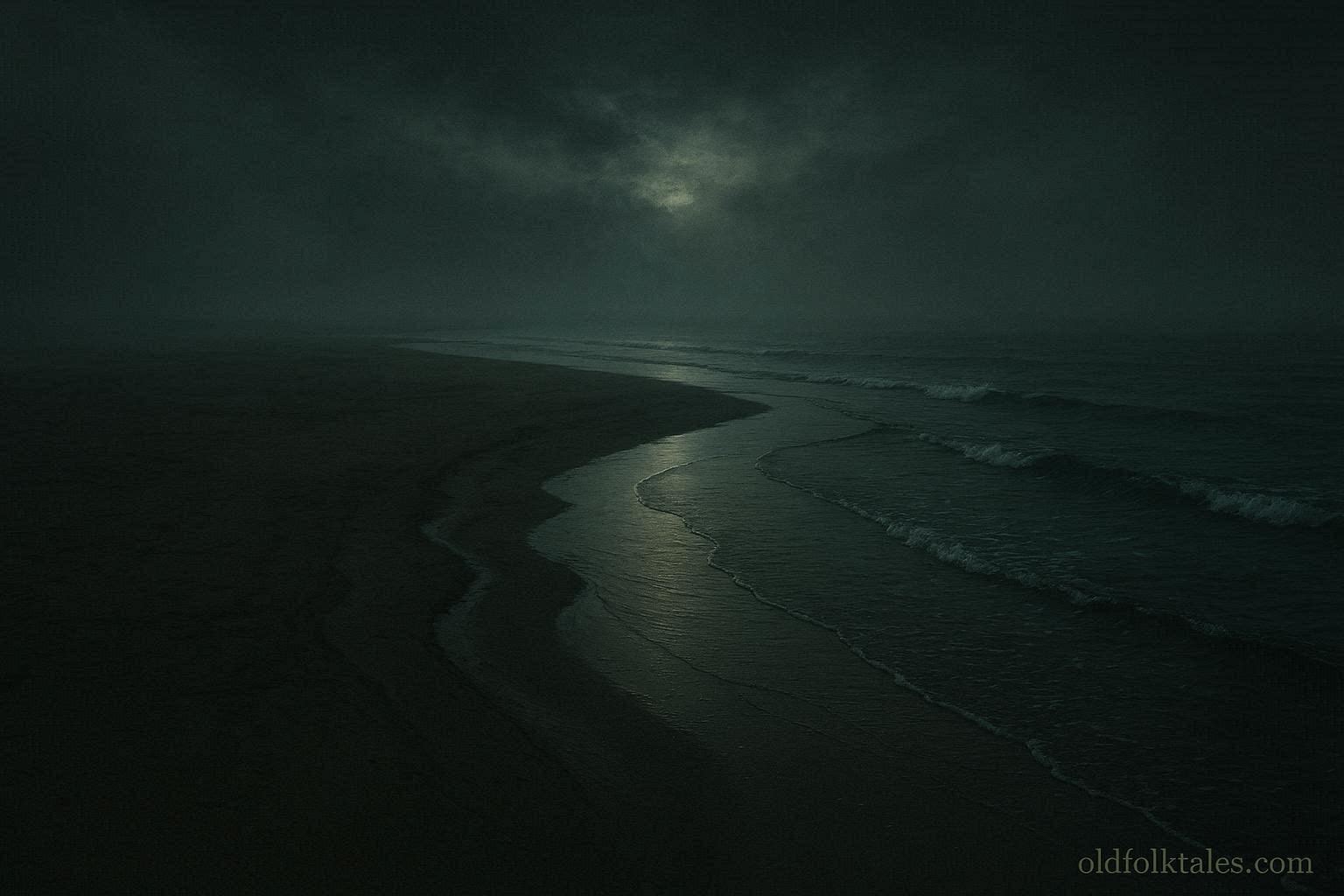
But when the tide began to fall, the sandbar revealed itself.
Slowly, as the water pulled back, a narrow stretch of wet sand emerged. It glistened under the fading light, smooth and undisturbed, as though it had been waiting beneath the surface for that exact moment.
At first, it seemed like any other sandbar.
But those who remained long enough, standing in the quiet as the tide retreated, began to notice something unusual.
A sound.
Faint at first.
Almost like the wind, though the air remained still. It came in low tones, rising and falling gently, as though carried from a distance. But there was no clear direction, no visible source.
The sound seemed to come from the sand itself.
Explore how American superstitions and rituals still influence modern life and local traditions.
As the water continued to withdraw, the sound grew clearer.
It was not a single tone.
It shifted, layered, and moved in ways that felt strangely familiar. Some described it as humming. Others said it resembled distant voices, speaking in a language that could not be understood.
Those who heard it often stood very still.
Listening.
Trying to decide whether what they were hearing was real or imagined. But the longer they remained, the more certain they became.
The sandbar was producing the sound.
Fishermen were among the first to speak of it.
They had spent long hours along the coast, watching the tides and learning the patterns of the sea. They knew the difference between the sound of water, wind, and shifting sand. What they heard at the sandbar did not match any of these.
They spoke quietly of it at first, sharing their experiences only with those they trusted.
Over time, others began to listen.
Travelers who wandered too close at low tide reported the same thing. A sound that seemed almost human, rising from beneath their feet, continuing for as long as the sand remained exposed.
Elders in the coastal communities carried a deeper understanding.
They spoke of the ocean as a place that held memory.
Not just of storms and tides, but of lives that had passed through it. They reminded others that the sea had always been both a giver and a taker, shaping the land while carrying stories beneath its surface.
According to their teachings, certain places along the coast could hold those stories more strongly than others.
The sandbar was one of those places.
They explained that the sound was not random.
It was a form of expression, a release of something that had been held below for a long time. The tide, they said, acted as a boundary. When it covered the sand, the sound remained hidden. When it receded, the boundary weakened.
And the voices returned.
One story told of a man who chose to approach the sandbar alone.
He had heard the stories but believed there must be a natural explanation. Perhaps it was the movement of water beneath the sand, or the shifting of air through unseen channels. He was determined to understand it for himself.
He arrived just as the tide began to fall.
He waited as the water moved back, revealing the sandbar inch by inch. When it was fully exposed, he stepped onto it carefully, feeling the wet sand beneath his feet.
At first, there was silence.
Then the sound began.
Soft, distant, almost like a breath carried across a wide space. He stood still, listening, focusing on the rhythm of it. It did not match the movement of the water or the air.
It came from below.
He took a few steps forward.
The sound changed slightly, not louder, but closer. It seemed to follow his movement, or perhaps he was moving into it. The tones shifted, rising and falling in a pattern that felt almost intentional.
For a moment, he felt something he could not explain.
Not fear.
But recognition.
As though the sound carried meaning, even if he could not understand it. He remained there, listening, until the tide began to return.
As the water moved back over the sandbar, the sound faded.
Slowly, steadily, until it disappeared completely.
He left without speaking much about what he had heard.
When others asked, he simply said that the place should be respected.
That it was not empty.
That it held something deeper than what could be seen.
From that time on, fewer people chose to walk onto the sandbar.
Some still came to listen from a distance, standing at the edge of the water as the tide revealed the land. They would remain quiet, allowing the sound to carry across the surface, never stepping fully into it.
The sandbar continued as it always had.
Hidden beneath the tide.
Revealed in its time.
Singing only when the conditions were right.
And those who heard it understood something important.
That the world held more than what could be explained.
That some places were not meant to be disturbed, only observed.
And that when the earth itself begins to speak, it is not something to be ignored.
Discover chilling ghost tales and haunted places that echo through America’s towns and countryside.
Moral Lesson
Some mysteries are not meant to be solved, but respected as part of the deeper connection between nature and memory.
Knowledge Check
- When does the sandbar become visible?
At low tide when the water recedes. - What unusual thing happens on the sandbar?
It produces human-like sounds. - Where does the sound seem to come from?
From beneath the sand. - How did the man react after experiencing it?
He advised others to respect the place. - What did the elders believe about the ocean?
It holds memory and stories beneath its surface. - What lesson does the story teach?
Some natural mysteries should be respected rather than disturbed.
Source
Adapted from materials preserved by University of North Carolina Coastal Studies Institute
Cultural Origin
Carolina coastal folklore