In a small wooden farmhouse nestled between rolling hills of rural Appalachia, a baby boy was born just before dawn. The midwife counted carefully as she wrapped him in a quilt stitched by his grandmother. One brother already slept in the next room. Six boys had been born before him, each strong and healthy. This newborn was the seventh son.
Whispers moved quietly through the family and soon through the surrounding countryside. What made his birth remarkable was not only that he was the seventh son, but that his father had also been the seventh son in his own family. In many parts of rural America, especially throughout Appalachian and Midwestern communities, such a birth carried special meaning. It was believed that a seventh son of a seventh son was born with natural healing powers.
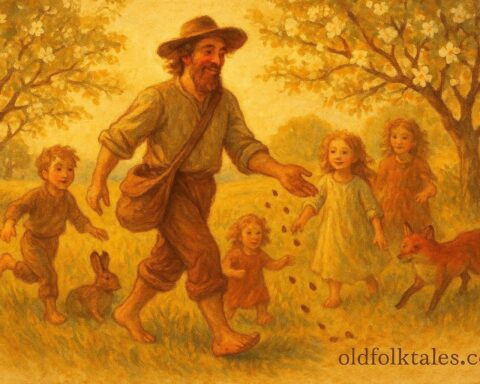
The boy was named Elijah. As he grew, neighbors watched him closely. There was nothing outwardly unusual about him. He ran barefoot through fields, helped feed chickens, and fetched water from the well like his brothers. Yet older women in the community exchanged knowing glances when he passed. They spoke softly of sacred numbers and inherited gifts.
Step into shadowy legends of restless spirits and ghostly travelers in American Ghost Stories.
The number seven held deep symbolic meaning in both biblical and folk traditions. It represented completeness, divine order, and spiritual fullness. To be born the seventh son suggested divine favor. To be the seventh son of a seventh son suggested something even rarer, a lineage of sacred numerology woven through generations.
When Elijah turned seven years old, the first test of his supposed gift appeared. A neighbor brought her daughter, who had developed a stubborn wart on her hand. The mother had tried home remedies and salves, but nothing worked. She asked Elijah’s father if the boy might pray over the child.
Elijah felt nervous as the girl sat before him. His father placed a reassuring hand on his shoulder. He reminded him that the power did not come from him alone but from faith and intention. Elijah closed his eyes and whispered a short prayer he had memorized. He gently touched the wart with his thumb, then traced a small cross over it. The ritual was simple and quiet.
The neighbor thanked them and left. Weeks later, she returned with a smile. The wart had disappeared. Word spread quickly. Soon others arrived at the farmhouse seeking help for burns, fevers, and minor ailments.
Elijah never charged money. Sometimes families left baskets of corn, jars of honey, or freshly baked bread in gratitude. The exchanges were humble and sincere. Healing was seen as a calling rather than a profession.
As he grew older, Elijah’s confidence deepened, but so did his responsibility. His mother reminded him that humility protected the gift. Pride could weaken it. Each healing session began with prayer. Sometimes he would rub a burn lightly while reciting scripture. Other times he would breathe gently over a feverish child’s forehead while asking for relief.
The practices varied slightly depending on the ailment. For warts, he might count backward from seven while touching the skin. For burns, he would recite a blessing three times. For fevers, he might place his palm against the person’s forehead and whisper scripture quietly. These rituals blended Christian faith, folk tradition, and inherited belief.
In the broader landscape of rural America, such healers were not uncommon. Communities without easy access to doctors relied on gifted individuals believed to possess natural abilities. Some were known as powwowers, charmers, or faith healers. The seventh son stood apart because his gift was believed to be predetermined at birth.
Skeptics occasionally questioned Elijah’s ability. Yet even they acknowledged that those who visited him often left comforted. Whether through belief, suggestion, or genuine spiritual experience, many reported improvement. In tightly knit communities, faith and shared tradition reinforced one another.
As Elijah reached adulthood, he understood that his role extended beyond physical cures. People came to him anxious and fearful. His calm presence, steady voice, and focused prayer offered reassurance. The ritual itself created space for hope. In that space, healing often followed.
He married and had children of his own. When his wife gave birth to their seventh son, neighbors once again counted carefully. Though the line of seventh sons continued, Elijah reminded his children that gifts must be nurtured through compassion and discipline. The power was not automatic. It required faith and integrity.
Decades passed, and rural America slowly modernized. Doctors became more accessible, hospitals expanded, and scientific medicine advanced. Yet in quiet valleys and small towns, stories of the seventh son endured. They were recorded in folklore archives and passed down through oral histories. The belief represented a blend of numerology, faith, and communal trust.
In his later years, Elijah sat on his porch watching the sun dip behind the hills. He reflected on the many hands he had held and the many prayers he had whispered. He never claimed to understand fully how or why some healings occurred. He only knew that faith, humility, and inherited belief shaped his life.
The legend of the seventh son remains one of the most enduring folk beliefs in American tradition. It speaks to humanity’s longing for signs of sacred purpose in birth and lineage. It reflects the idea that power can be inherited, but must be guided by wisdom and kindness.
In quiet rural homes, far from crowded cities, families still recount stories of boys born under the sign of seven. They speak of touch and prayer, of whispered blessings and fading warts, of burns soothed and fevers cooled. Whether viewed as faith healing, psychological comfort, or sacred mystery, the story continues to live in the hills and fields of America.
Click to read all American Traditions & Beliefs — the living folklore of daily life, customs, and superstitions.
Moral Lesson
Gifts believed to be inherited must be guided by humility, faith, and compassion to truly serve others.
Knowledge Check
- Why is the seventh son considered special in folk belief?
Because the number seven symbolizes spiritual completeness and divine favor - What makes a seventh son of a seventh son even more significant?
It represents a repeated lineage believed to carry inherited healing power - What ailments was Elijah believed to heal?
Warts, burns, and fevers - Why did Elijah never charge money for healing?
Healing was seen as a calling rather than a business - How did faith influence the healing rituals?
Prayer and scripture were central to each ritual and strengthened belief - Why does the legend continue even after modern medicine developed?
It reflects enduring cultural belief, community trust, and spiritual tradition
Source
Adapted from American Folklore Society publications; University folklore archives (Indiana University Folklore Institute)
Cultural Origin
Widespread rural America (especially Appalachian and Midwestern regions)