Long before radios filled rooms with music and before phones carried voices through walls, American homes were places where silence held meaning. The sounds allowed indoors were chosen carefully. Footsteps, conversation, laughter, the clatter of dishes, even crying were accepted as part of daily life. Whistling, however, occupied a strange and uneasy place. Across Midwestern towns and Appalachian hollows, people believed that whistling inside a home invited trouble. It was not merely rude or distracting. It was thought to call something unwanted into the household.
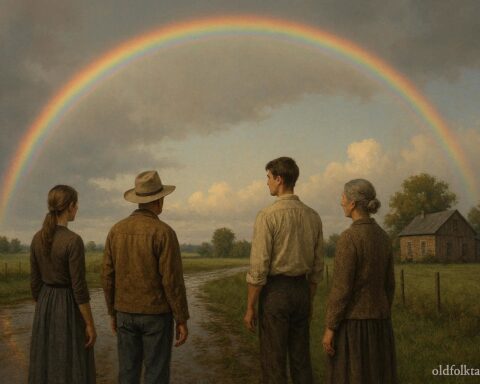
In farming communities, the day began before sunrise and ended with dusk. Homes were spaces of rest and safety, separated from the dangers of the outside world. Sound mattered deeply because it traveled easily through thin walls and open windows. A whistle could be heard beyond the house and across the yard. Elders believed that such a sound acted like a signal. It announced vulnerability. It suggested carelessness. In some stories, it was said to attract bad news. In others, it drew wandering attention that did not belong among the living.
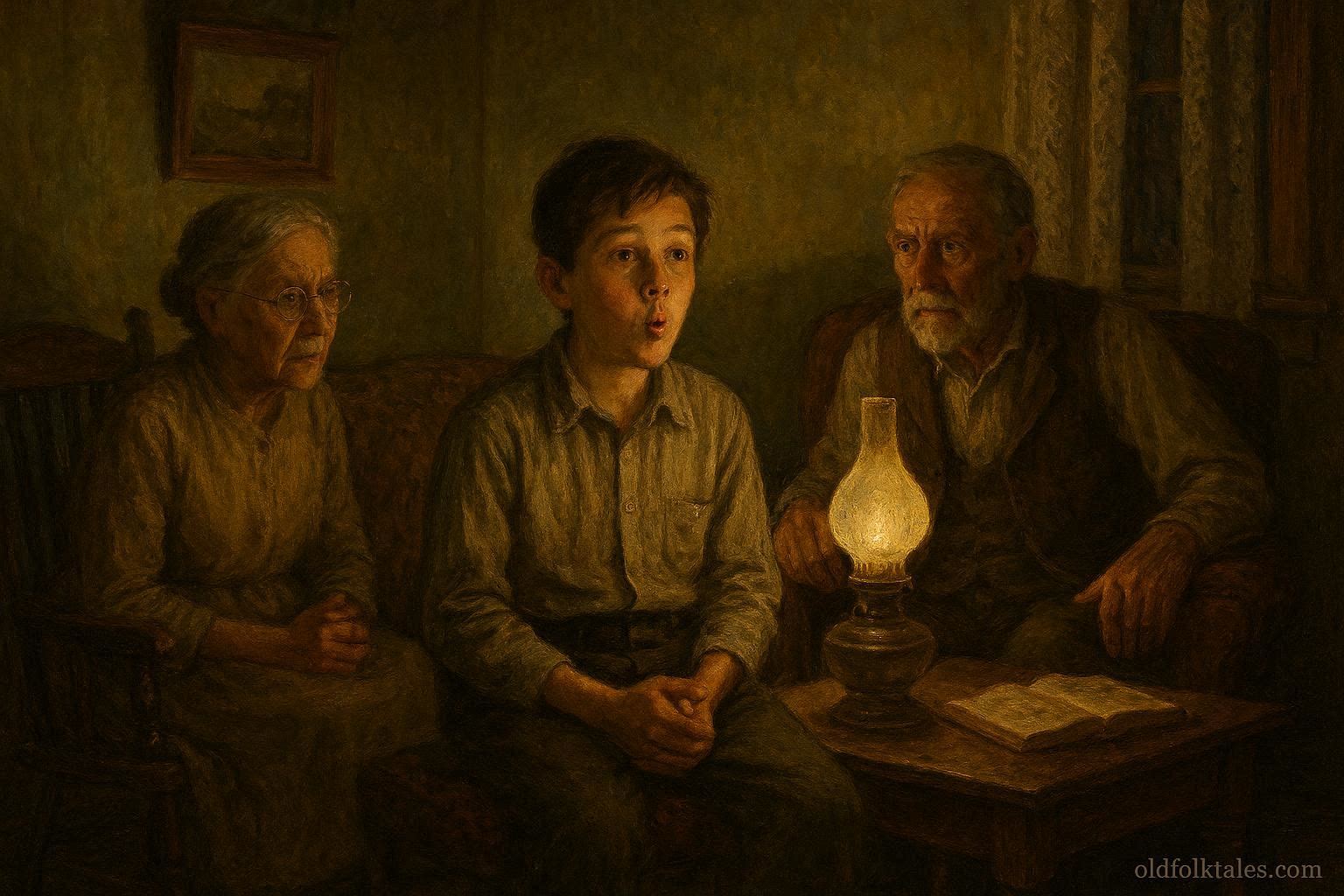
Children learned the rule early. A sharp whistle during chores often resulted in a quick correction. Parents would stop their work and issue a warning. Do not whistle indoors. Something bad will follow. The explanation was rarely detailed. The belief worked because it did not need proof. It relied on repetition and shared memory.
Discover chilling ghost tales and haunted places that echo through America’s towns and countryside.
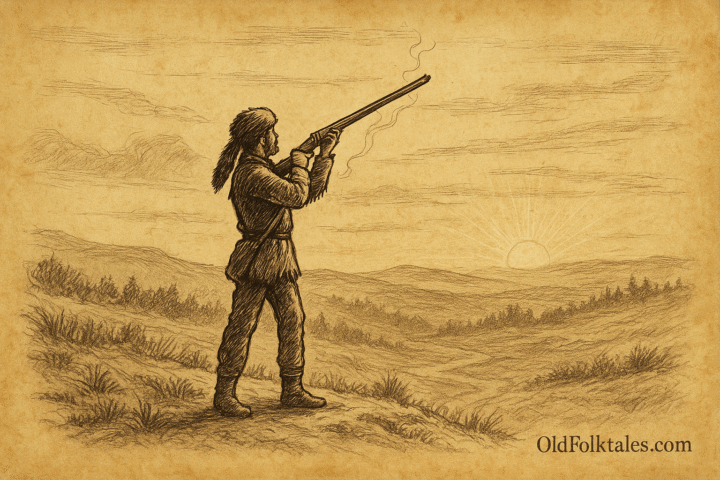
In Appalachian regions, where homes were built close to forests and mountains, whistling carried additional meaning. Sound echoed in the hills. People believed that whistling inside confused boundaries between inside and outside. It mimicked the calls used for animals or for long distance communication. When done indoors, it blurred the line between shelter and wilderness. Stories circulated of families who ignored the warning and later received bad news before nightfall. A letter arrived. A visitor came with troubling words. An accident occurred on the road.
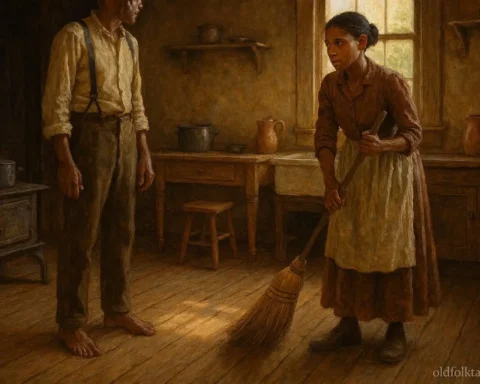
Work culture reinforced the superstition. In households where money was scarce and labor was constant, whistling was associated with idleness. A person who whistled while working indoors was seen as careless. Elders believed that such behavior tempted mistakes. A pot would boil over. A tool would break. Something important would be forgotten. Over time, these small accidents were linked to the act of whistling itself.
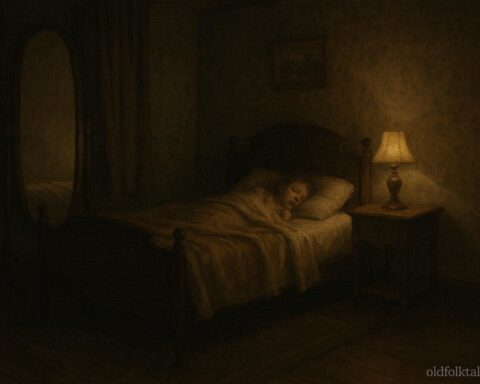
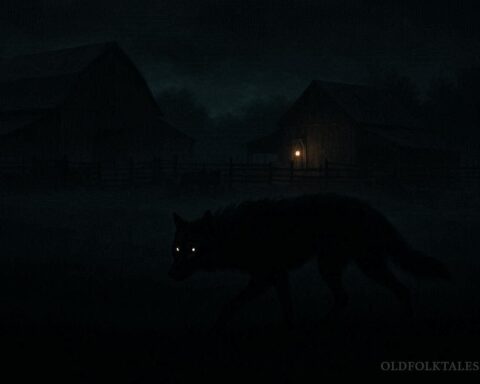
Nighttime made the belief stronger. After sunset, sound traveled farther and felt heavier. Whistling after dark was believed to call attention when the household should remain quiet and protected. Some said it invited spirits. Others said it called bad luck. Many simply said it brought trouble without naming what kind. The lack of detail made the warning more powerful.
Religion also played a role. Silence was associated with discipline and reflection. Whistling indoors was seen as disrespectful, especially in the evening. In some Christian households, it was believed to disturb prayerful spaces. In others, it was thought to mock solemnity. Even families who did not speak openly about spirits still enforced the rule.
Immigrant communities added their own interpretations. Eastern European settlers carried similar beliefs into American towns. African American communities blended the superstition with older oral traditions where sound held spiritual weight. The belief adapted itself to each environment but kept the same core message. Certain sounds did not belong indoors.
Over generations, the superstition softened but did not disappear. Even when people no longer believed that whistling summoned misfortune, they still avoided it out of habit. The rule became part of household etiquette. Guests were corrected gently. Children were reminded with a smile that it was not done.
In some homes, the belief took on symbolic meaning. Whistling indoors represented tempting fate. It suggested a lack of caution. Elders taught that good fortune required restraint. Prosperity depended on knowing when to be quiet. Sound, like speech, carried power. Using it carelessly invited consequences.
Modern psychology offers explanations about anxiety and pattern recognition. Yet the belief persists because it addresses something deeper. Homes are spaces where people seek control. Superstitions give shape to uncertainty. They provide rules that promise protection in an unpredictable world.
Today, many people still pause before whistling indoors. They may laugh at the idea, but they stop anyway. The belief has outlived its original context because it continues to express respect for boundaries. It reminds people that not every action is harmless. Some things are avoided not because they are proven dangerous, but because they were once believed to be.
Click to read all American Traditions & Beliefs — the living folklore of daily life, customs, and superstitions.
Moral Lesson
Restraint and awareness within shared spaces create harmony and respect. Traditions often survive because they teach caution in subtle ways.
Knowledge Check
- Why was whistling indoors believed to invite trouble?
It was thought to act as a calling sound that disrupted household safety and balance. - Which American regions strongly upheld this belief?
Midwestern and Appalachian communities. - Why was whistling at night considered more dangerous?
Nighttime amplified sound and symbolized vulnerability. - How did work culture influence the superstition?
Whistling was linked to carelessness and mistakes during labor. - What role did religion play in reinforcing silence?
Silence was associated with discipline and respect for sacred space. - Why does the superstition still persist today?
It continues as a habit passed down through family tradition.
Source
Adapted from University of Pennsylvania folklore sound belief studies
Cultural origin
Midwestern and Appalachian communities