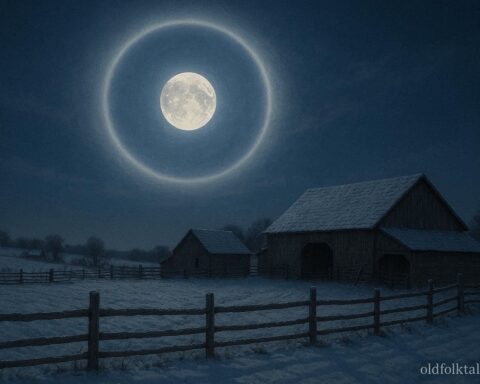
The first sound was never loud. It began as a thin thread of air slipping between fence posts, sliding under roof shingles, and catching at the corners of barns. People who lived close to the land recognized the difference immediately. This was not ordinary wind. This was wind that had found a voice.
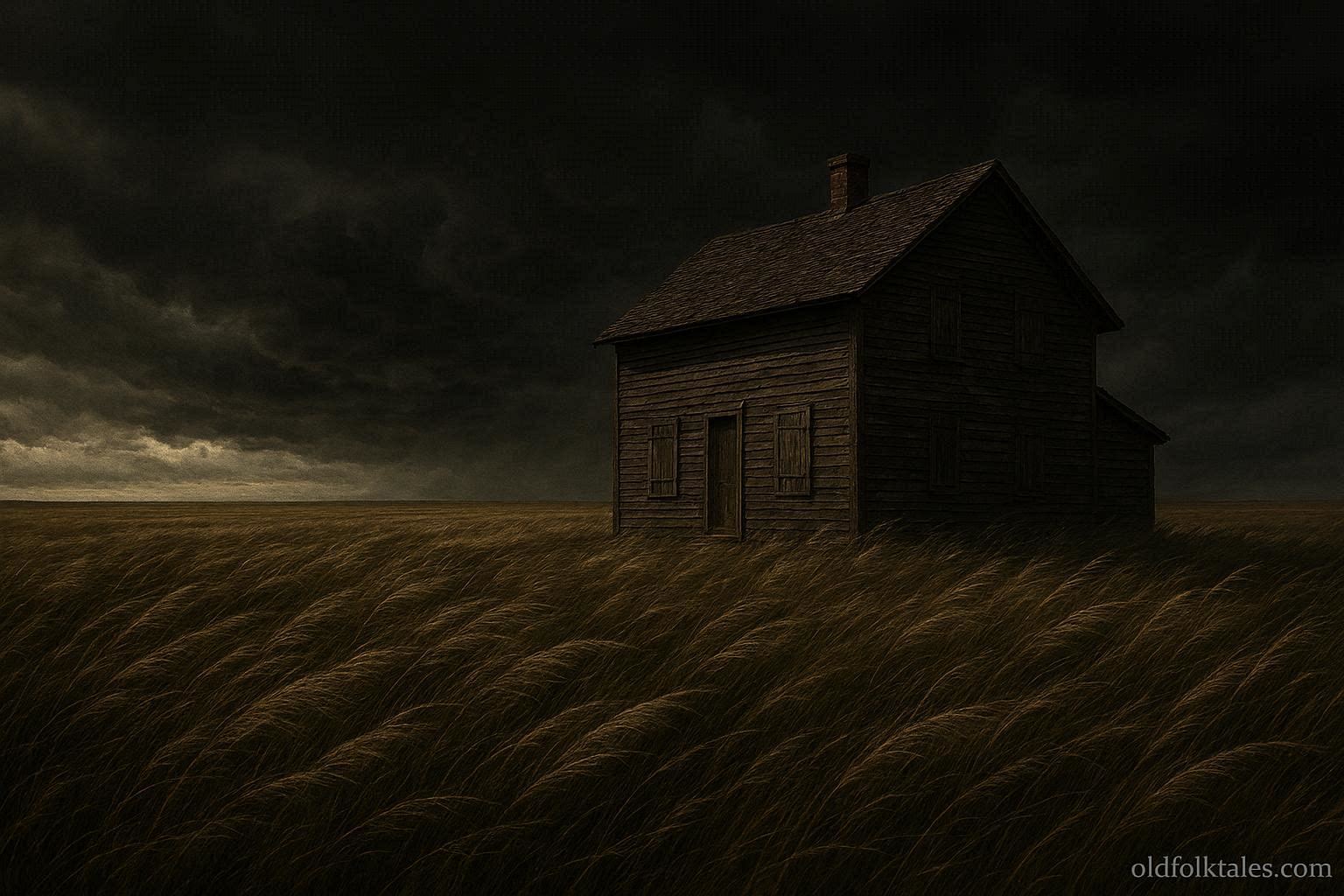
Across the Great Plains, farmers described it as a high, steady whistle that cut through the stillness long before clouds gathered. It did not roar like a storm front. It did not howl like winter blizzards. Instead, it lingered in narrow tones, rising and falling like breath pulled through clenched teeth. That sound meant preparation.
Old ranchers claimed the whistle came when air pressure shifted sharply across flat land. They did not use scientific language, yet they knew the pattern. A warm, calm afternoon could turn unsettled if the wind began to sing against wire fences. Cattle grew restless. Barn doors trembled slightly. Even loose metal buckets joined the chorus.
Encounter the strange and the unseen — from Bigfoot to regional monsters hiding in America’s forests.
In Appalachian mountain communities, the whistling wind carried a different character. It threaded through valleys and narrow hollows, slipping between trees and wooden cabins. When it squeezed through mountain passes, it sharpened. Residents believed that when the wind found tight spaces and made music from them, it was announcing movement in the sky.
Mountain elders taught that silence before whistling meant stability, but whistling after silence meant disturbance. Rain might come. Ice might follow. In rare cases, landslides or flooding trailed the sound. The wind’s pitch, they said, revealed how urgent the change would be.
Children were raised to pause when the wind whistled. Games stopped mid-play. Tools were gathered. Animals were secured. It was not panic that moved people, but routine. Generations had tested the belief and found it practical. Acting early meant avoiding damage later.
Some families tracked the direction of the whistle. If it carried from the north and maintained a thin, steady tone, cold air was descending. If it shifted and deepened, rain systems were colliding. A broken, uneven whistle was the most troubling. That meant unstable currents, and unstable currents meant unpredictable storms.
In farming towns, it was said that the wind did not whistle without reason. If it passed over empty fields without sound, the season was balanced. But if it shrieked through half-built fences or cracked barns, the land itself was unsettled. Repairs often followed a whistling wind, not because damage had occurred, but because vulnerability had been revealed.
Whistling winds were also tied to timing. If the sound began just before sunset, elders believed rain would fall overnight. If it began at dawn, the day would not remain calm. Evening whistles were seen as softer warnings. Morning whistles were urgent ones.
There were social customs attached to the belief as well. Whistling indoors while the wind was whistling outside was discouraged. People believed echoing the sound invited confusion or prolonged the disturbance. It was thought that the wind carried a message, and mocking it would blur the warning.
Stories preserved the lessons. One tale described a family that ignored the whistling wind because the sky remained blue. They left grain uncovered, trusting appearances. By midnight, a violent storm scattered their harvest. Another story told of a woman who heard the whistle at dawn and delayed her trip across the valley. Floodwaters later washed out the road she would have taken.
In prairie regions where tornadoes were common, the whistling wind sometimes preceded a heavy stillness. People described a rising pitch that suddenly cut off. That silence was the most frightening moment of all. It meant something larger was forming. Even without seeing clouds, they felt it.
Beyond storms, some believed whistling winds marked seasonal turning points. The first sharp whistle of autumn meant summer’s hold had loosened. A late winter whistle signaled thawing days ahead. The wind became a calendar written in sound rather than ink.
Travelers crossing open plains paid careful attention. A whistling wind across telegraph wires produced eerie tones that carried for miles. Railroad workers described hearing the sound echo along tracks before sudden weather shifts. Though technology advanced, the wind’s music remained an unofficial forecast.
As towns grew and buildings multiplied, the whistle changed. Instead of grass and wood, it moved through alleyways and around brick corners. Yet even in cities, residents felt uneasy when the wind found narrow passages and produced sharp tones. It stirred something instinctive.
Meteorologists later explained that whistling often occurs when wind is forced through tight openings or when pressure differences intensify airflow. Communities accepted the science but held onto the tradition. Explanation did not erase experience. The wind still announced what was coming.
Elders often said the land whispers before it shouts. The whistling wind was the whisper. It was not destructive by itself, but it signaled that forces were aligning. Ignoring it meant losing the advantage of preparation.
Some remembered times when the wind whistled without visible consequence. Yet even then, the belief held value. The act of preparing—checking roofs, securing animals, closing shutters—strengthened community bonds. People looked out for each other more closely when the sound carried.
The superstition endured because it aligned with lived reality. Weather shifts often follow pressure changes, and pressure changes produce sound. Long before barometers were common, ears served as instruments. Listening became survival.
Today, many dismiss the idea that wind carries messages. Yet when a high, thin whistle threads through a quiet evening, conversations pause. People glance toward windows. Phones are checked for forecasts. Doors are secured a little tighter. The ancient habit remains.
The whistling wind continues to symbolize more than weather. It represents awareness. It reminds communities that change rarely bursts in unannounced. It approaches gradually, testing structures, sounding edges, searching for openings.
And so, across plains and mountains, the belief survives quietly. When the wind finds its voice, wise people still listen. They may not speak of superstition, but they act with the same caution their ancestors practiced.
The wind whistles. The land shifts. Preparation begins.
Click to read all American Traditions & Beliefs — the living folklore of daily life, customs, and superstitions.
Moral Lesson
Pay attention to subtle signs. Early awareness allows wise preparation and prevents avoidable loss.
Knowledge Check
- What did whistling winds traditionally signal?
Answer: Approaching storms or significant weather changes. - Why was the pitch of the wind considered important?
Answer: Different tones were believed to indicate the urgency and type of weather shift. - Which American regions strongly preserved this belief?
Answer: The Great Plains and Appalachian communities. - Why was whistling back at the wind discouraged?
Answer: It was believed to interfere with or disrespect the warning. - How did whistling winds influence daily life?
Answer: People secured property, delayed travel, and prepared for storms. - Why has the belief endured despite modern forecasting?
Answer: Because lived experience showed that sound often precedes visible weather change.
Source
Adapted from Smithsonian environmental folklore documentation
Cultural Origin
Great Plains and Appalachian communities