At the deepest point of winter, when the nights stretch longer than any other time of the year and the daylight seems to fade too quickly, there comes a moment that has been recognized for generations. This moment is known as the winter solstice, the longest night of the year. Across different regions of United States, this night is not simply endured, but observed with intention through the lighting of fires that symbolize warmth, renewal, and the promise of returning light.
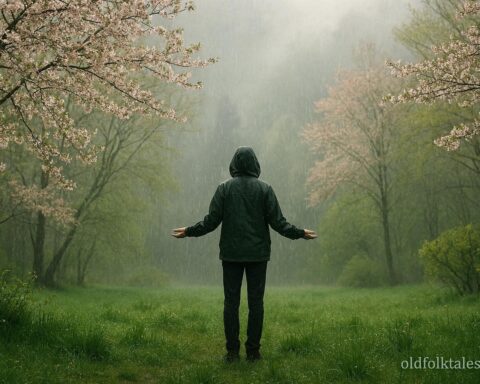
During the days leading up to the solstice, the change is felt gradually. The sun rises later and sets earlier, and the hours of darkness seem to grow heavier. The cold settles into the land, and the natural world becomes quiet. Trees stand bare, the ground remains still, and the air carries a sharp clarity that reflects the depth of the season. For many communities, this period brings a sense of stillness that is both peaceful and challenging.
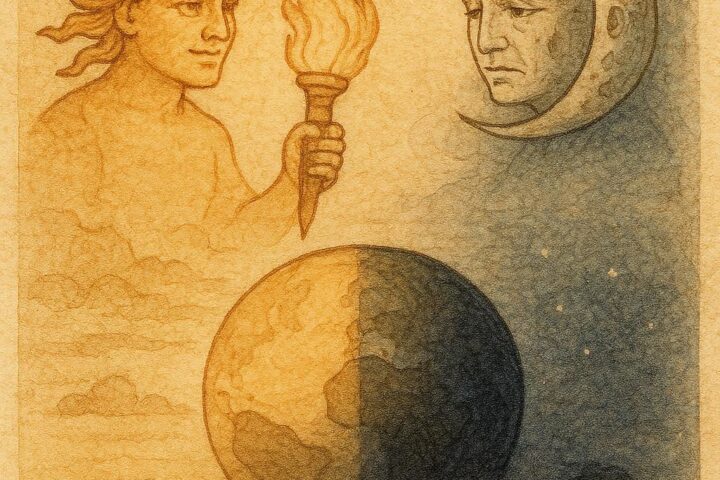
The winter solstice marks the turning point within this stillness. Although it is the longest night, it is also the moment after which the days begin to grow longer again. This shift may not be immediately visible, but it is understood and deeply valued. The solstice represents both an ending and a beginning, a moment where darkness reaches its peak and then slowly gives way to light.
Discover chilling ghost tales and haunted places that echo through America’s towns and countryside.
In traditions connected to Indigenous and early settler communities, fire becomes the central symbol of this moment. As night falls on the solstice, people gather to light fires, not only for warmth, but for meaning. The act of lighting a fire is deliberate, marking the transition from darkness toward the gradual return of daylight.
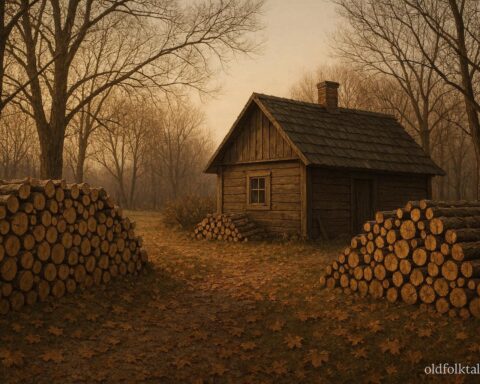
The preparation for this practice often begins before nightfall. Wood is gathered and arranged carefully, ensuring that the fire will burn steadily through the long night. The process of building the fire reflects the intention behind the tradition. Each piece of wood is placed with care, creating a structure that will hold the flame and allow it to grow.
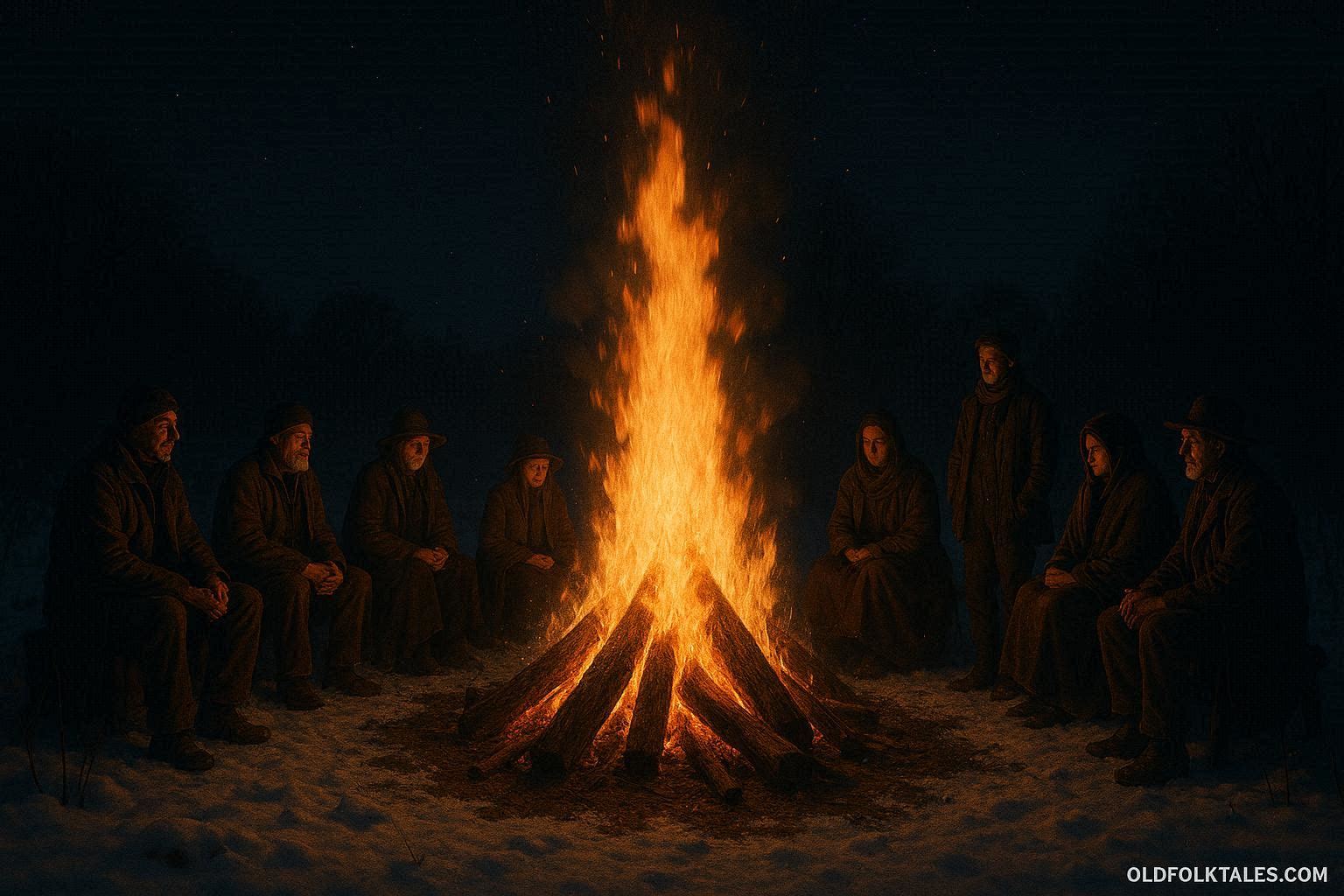
As darkness settles in, the fire is lit. The first spark becomes a flame, and the flame becomes a steady source of light. The glow of the fire spreads outward, pushing back the darkness and creating a space of warmth. People gather around it, drawn by both its physical heat and its symbolic meaning.
The fire becomes a focal point for reflection. In the quiet of the longest night, individuals take time to think about the past season, the challenges faced, and the experiences that have shaped them. The darkness provides a contrast that makes the presence of light more meaningful. The fire does not eliminate the night, but it offers a way to exist within it.
In many gatherings, stories are shared. These stories often reflect themes of endurance, renewal, and hope. They connect the present moment to the past, reminding people that the cycle of seasons has always continued. The return of light is not a new event, but a repeating pattern that brings reassurance.
The significance of fire in this tradition is both practical and symbolic. On a physical level, it provides warmth during the coldest time of the year. On a deeper level, it represents resilience, the ability to create light even in the darkest conditions. This dual purpose strengthens its importance within the practice.
The preservation of such traditions is supported by institutions like the National Park Service, which documents and protects historical and cultural practices connected to seasonal cycles. These traditions offer insight into how communities have understood and responded to the natural world over time.
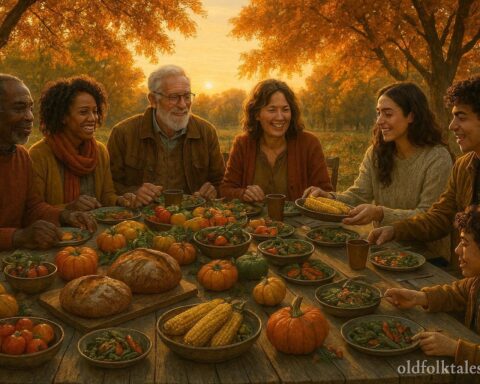
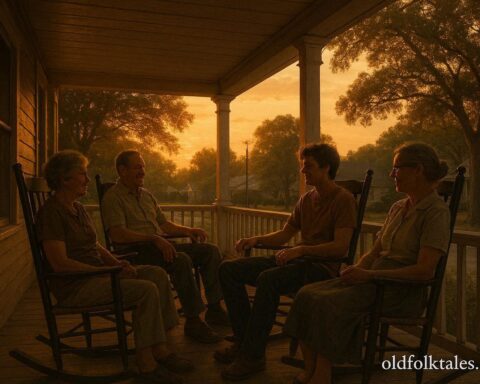
As the night continues, the fire burns steadily. The sound of the crackling wood and the movement of the flames create a calm and steady rhythm. People remain gathered, sometimes in conversation, sometimes in quiet reflection. The presence of others adds to the sense of connection, reinforcing the idea that this moment is shared.
The solstice night eventually passes, and with it comes the subtle return of light. The following morning may not appear drastically different, but it carries meaning. It marks the beginning of longer days, even if the change is gradual. The fire, which burned through the night, becomes a symbol of this transition.
The practice of lighting fires during the winter solstice continues in various forms today. Some gather in large groups, while others observe the moment privately. The scale may differ, but the purpose remains consistent. It is a way of recognizing the cycle of darkness and light, and of finding meaning within it.
In modern life, where artificial light is always available, the symbolism of fire still holds value. It offers a connection to a more natural understanding of time and change. The act of lighting a fire, even in a simple form, can recreate the sense of awareness that defines the tradition.
The winter solstice fire lighting practice also encourages patience. The return of light is not immediate, but gradual. Each day becomes slightly longer, and the shift continues over time. This slow change reflects a broader lesson about growth and renewal, showing that progress often happens in small, steady steps.
As the seasons continue to move forward, the memory of the solstice remains. It serves as a reminder that even in the darkest moments, change is already beginning. The presence of light, no matter how small, holds significance.
Each year, when the winter solstice arrives again, the tradition is renewed. Fires are lit, gatherings take place, and the longest night is marked once more. The practice continues because it carries meaning that extends beyond the moment itself.
It connects people to the natural cycle of the earth, to the passage of time, and to the shared experience of moving through darkness toward light. The fire becomes more than a source of warmth. It becomes a symbol of continuity, resilience, and hope.
Step into America’s cultural roots — from folk healing and weather lore to seasonal celebrations.
Moral Lesson
Even in the darkest moments, light and renewal are always on their way.
Knowledge Check
- What is the winter solstice?
The longest night of the year - What do people do during this time?
They light fires - What does the fire symbolize?
Light, warmth, and renewal - Why is the solstice important?
It marks the return of longer days - What does the tradition teach?
That darkness is temporary - What is the main idea of the story?
That hope remains even in difficult times
Source
Adapted from materials preserved by National Park Service
Cultural Origin
Indigenous and early settler traditions