The first signs of danger rarely arrived with noise. They came as small changes that others overlooked: birds lifting from the grass too suddenly, dogs refusing to settle, an unease that lingered without explanation. In many Plains and Midwestern Indigenous communities, women were often the first to notice these signs. Oral histories remember them not as warriors on the battlefield, but as protectors whose awareness saved lives long before weapons were raised.
These women were not acting from fear or imagination. Their warnings grew from deep familiarity with daily rhythms. They knew how the land usually sounded at dawn and how it felt when balance shifted. When something was wrong, they sensed it in ways difficult to explain but impossible to ignore. Elders taught that intuition was not a mystery gift but a skill sharpened through responsibility, observation, and care for others.
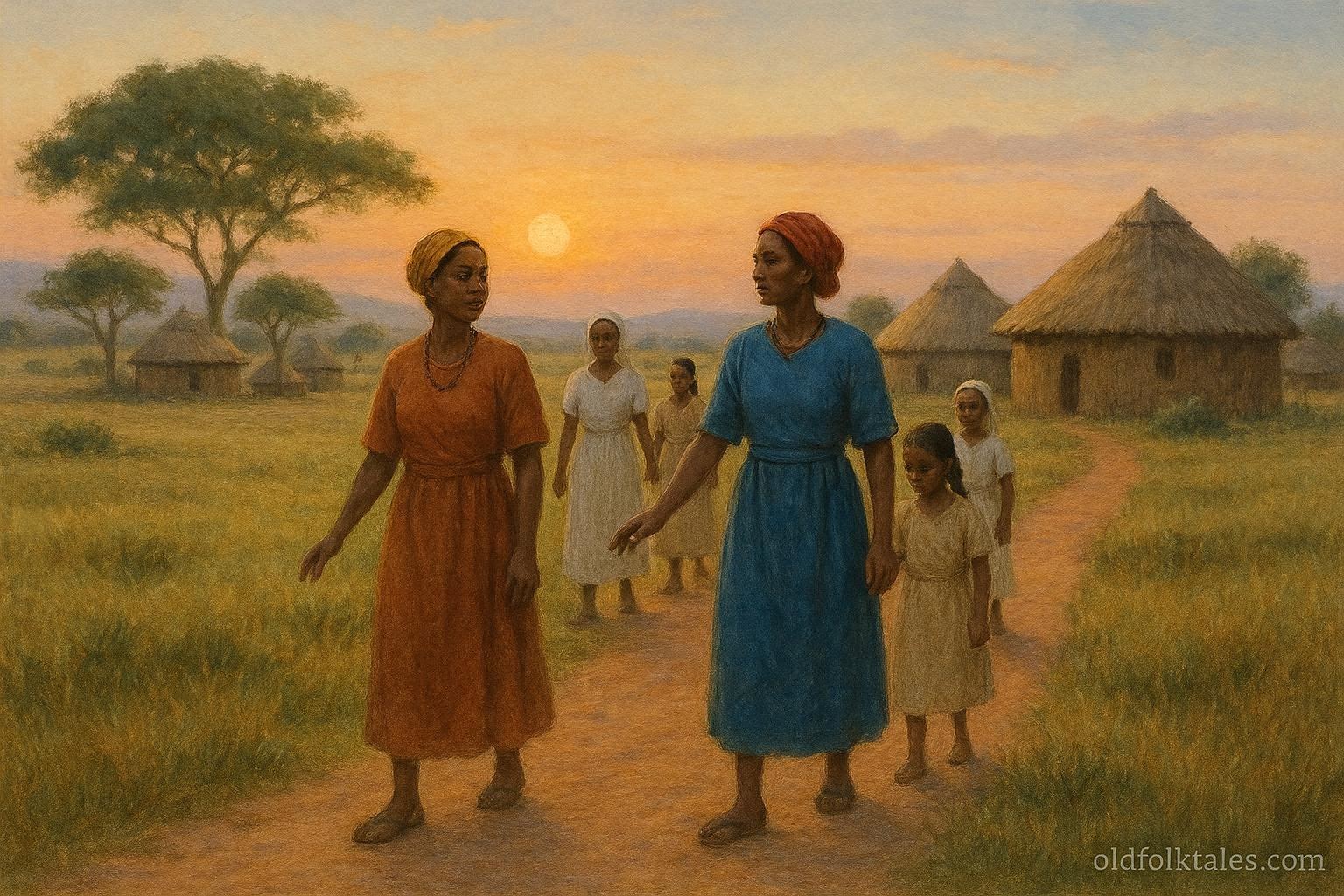
Stories describe women pausing during ordinary tasks, suddenly alert. A pot left unfinished. A child pulled closer. A quiet request for others to listen. These moments often marked the beginning of preparation. Women shared their concerns first with elders, then with others, framing the warning calmly rather than dramatically. Panic was discouraged. What mattered was action guided by clarity.
Discover chilling ghost tales and haunted places that echo through America’s towns and countryside.
In some accounts, women noticed changes along familiar paths. Tracks appeared where none should be. Smoke rose from unexpected places. Rivers carried unfamiliar debris. These observations were gathered and discussed collectively. The women did not issue commands, but their voices carried weight because they were trusted. Their role was not to prove danger, but to insist that the possibility be taken seriously.
When warnings were accepted, women organized swift responses. Children were gathered. Elders were moved to safer areas. Supplies were prepared quietly. In some cases, villages dispersed temporarily, reducing the risk of surprise attacks. These decisions required coordination and confidence, qualities repeatedly attributed to women in oral tradition.
Not all warnings involved physical signs. Many stories emphasize intuition rooted in dreams or sudden certainty. Some women spoke of unease that came without images or sounds, only a strong sense that remaining in place was unsafe. Elders taught that such feelings should never be dismissed outright. Intuition was considered another form of knowledge, shaped by generations of experience.
One widely shared account tells of a woman who insisted a village move before nightfall, despite the absence of visible threat. Her concern was met with hesitation, but elders chose caution. By dawn, evidence of enemy movement was discovered near the abandoned camp. The story survived not because of dramatic confrontation, but because restraint and trust prevented loss.
These women did not seek recognition. Oral histories rarely record their names, focusing instead on actions and outcomes. This absence was intentional. The purpose of the stories was not to elevate individuals, but to teach communities how protection often begins outside formal authority. Leadership, in these legends, is defined by responsibility rather than rank.
The warnings were also moral acts. Speaking up carried risk. False alarms could strain trust or disrupt daily life. Yet silence carried greater danger. Women who warned villages accepted this burden willingly. Their stories teach that leadership sometimes means voicing concern even when certainty is incomplete.
In times of peace, these same women were caretakers, planners, and keepers of social balance. Their ability to sense danger was inseparable from their everyday roles. They understood who depended on whom, which paths were safest, and how long preparation would take. This knowledge made their warnings practical, not abstract.
Over time, these stories became lessons shared with younger generations. Girls were taught that awareness was strength. They learned to trust observation and speak carefully but firmly when something felt wrong. Boys were taught to listen without dismissing concerns simply because they came from outside warrior circles. Protection, the stories emphasized, belonged to everyone.
As warfare changed and communities faced new forms of threat, the legends remained relevant. The settings shifted, but the lesson endured. Danger does not always announce itself clearly. Communities that survive are those willing to listen to voices shaped by care, experience, and responsibility.
Today, these stories are preserved in oral history archives and educational programs, not as heroic myths, but as reminders of how leadership often operates quietly. They challenge narrow definitions of courage and expand understanding of how communities protect themselves. The women remembered in these legends did not wait for proof. They listened, spoke, and acted.
Their legacy endures as a reminder that vigilance is not loud, and leadership is not always visible. Sometimes it begins with a single voice insisting that others pause and pay attention.
Click now to read all American Legends — heroic tales where truth and imagination meet, defining the American spirit.
Moral Lesson
True leadership often appears in quiet awareness. Communities are safest when they respect intuition, listen across roles, and act before danger becomes unavoidable.
Knowledge Check
- What signs often alerted women to approaching danger?
Changes in the environment, unusual sounds, tracks, and a sense of imbalance. - Why were women’s warnings trusted within these communities?
Because their knowledge came from daily responsibility, observation, and care for others. - How did villages respond when warnings were accepted?
They organized evacuations, protected elders and children, and prepared quietly. - Why were these women rarely named in oral histories?
The focus was on collective action and lessons rather than individual recognition. - What risk did women face when issuing warnings?
Being dismissed or causing disruption if danger did not materialize. - What broader lesson do these legends teach about leadership?
That leadership includes awareness, responsibility, and the courage to speak up early.
Source
Adapted from University of Nebraska Indigenous women’s history archives
Cultural Origin
Plains and Midwestern Indigenous communities