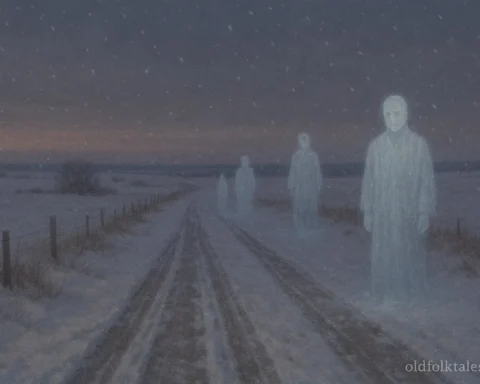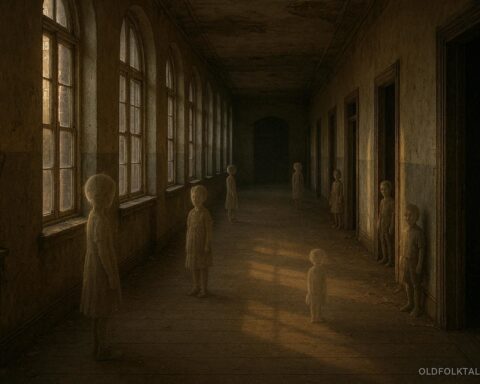
Across many Plains and Eastern Indigenous nations, seasonal feasts were never understood as gatherings for the living alone. These meals marked transitions in the year of harvest, first frost, renewal, or return of warmth and were believed to open a brief space where generations could draw close. In this space, the presence of the dead was not feared. It was expected.
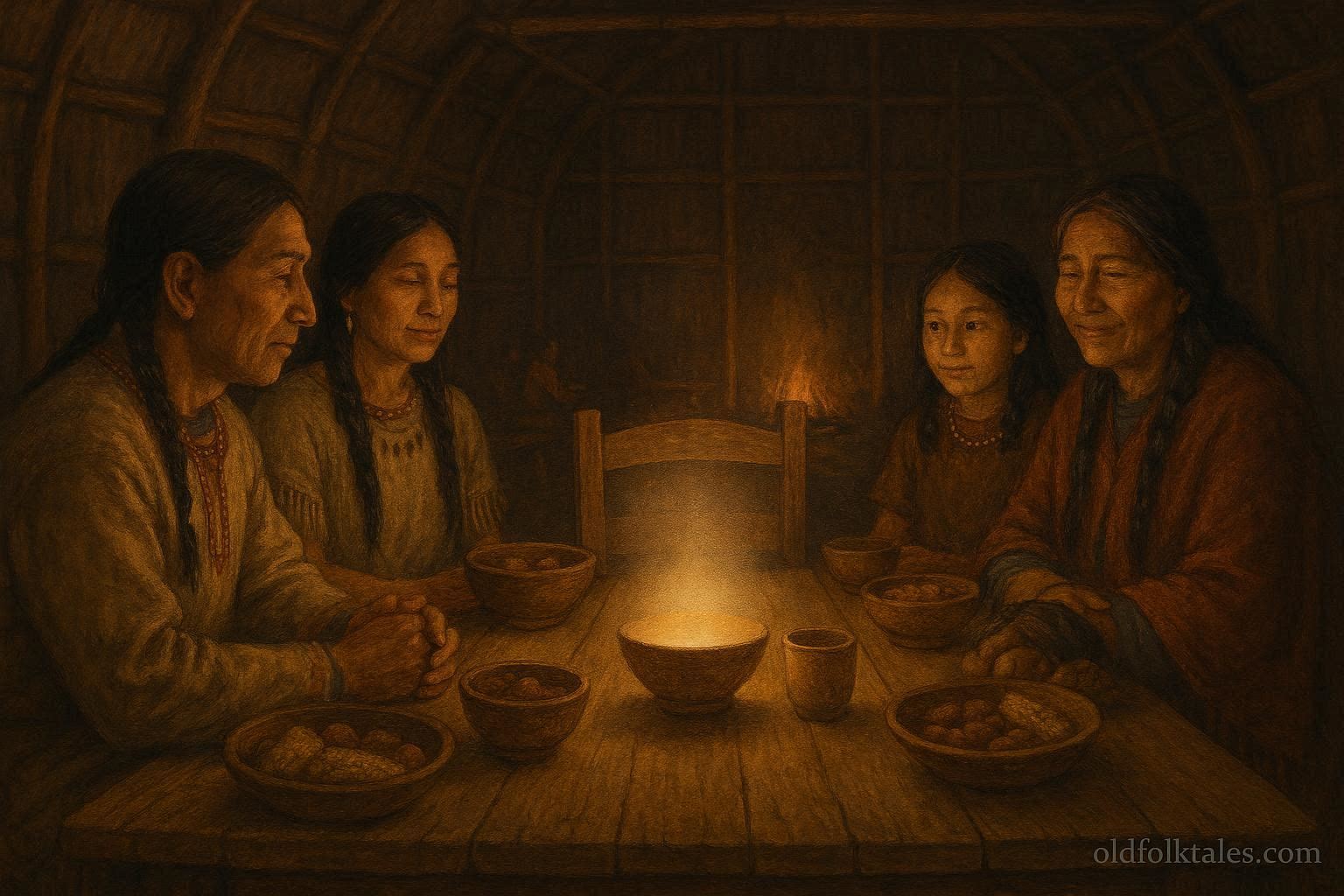
Families prepared for these meals with intention. The food chosen, the order of serving, and even the placement of bowls followed patterns taught over generations. Among these customs was one that outsiders often misunderstood: an extra place at the table. This seat was not symbolic in the modern sense. It was prepared with care, left unoccupied by the living, and treated as fully present.
Elders taught that ancestors did not arrive uninvited. They came because they were remembered correctly. Seasonal feasts were moments when the living acknowledged their dependence on those who came before hunters, growers, protectors, and teachers whose lives shaped the present. The meal itself was an offering of continuity rather than grief.
Explore the heart of America’s storytelling — from tall tales and tricksters to fireside family legends.
The presence of the returned dead was described subtly. No one claimed to see a face or hear a voice clearly. Instead, families spoke of sensations: a sudden stillness, a warmth near the table, or the feeling that attention had shifted. Children were often the first to notice, pausing mid-meal or glancing toward the empty seat with curiosity rather than fear.
Importantly, the spirit was never addressed directly. The custom was to acknowledge through action, not speech. Food was served to the empty place. Water was poured. Silence followed briefly, not as mourning, but as respect. This pause allowed the presence to settle without disruption.
Stories passed down through oral tradition describe times when neglecting this practice led to unease. A forgotten place setting or careless laughter was believed to cause imbalance, not punishment. The ancestors were not angry; they were unsettled. Elders used these stories to teach attentiveness rather than fear.
The returned dead were understood not as individuals clinging to the living world, but as representatives of lineage. One spirit might carry many voices, many lives. This is why families did not try to identify which ancestor had come. Naming would limit what was meant to be collective.
As the meal continued, conversation resumed naturally. Laughter was allowed. The presence was not fragile. It belonged within life, not outside it. This belief separated these legends from ghost stories centered on unfinished business or regret. Here, the dead returned because their role had never ended.
At the close of the feast, a small portion of food was left untouched. Later, it would be returned to the earth placed near trees, water, or fire depending on regional custom. This act marked the transition back to ordinary time, signaling that the boundary between worlds was closing again.
Children who grew up with this practice often remembered it into adulthood as a feeling rather than a rule. Even when they moved away or adopted different customs, many found themselves setting aside an extra plate during important meals, unsure why, but unwilling not to.
In these traditions, remembrance was not an act of looking backward. It was a shared moment of presence. The returned dead did not linger. They came, were welcomed, and departed with dignity just as honored guests should.
Discover chilling ghost tales and haunted places that echo through America’s towns and countryside.
Moral Lesson
Remembrance is strongest when it is practiced through care, hospitality, and continuity rather than sorrow alone.
Knowledge Check
- When were the returned dead believed to visit?
During specific seasonal feasts marking transitions in the year. - How was the ancestral presence acknowledged?
By setting an extra place at the table and serving food in silence. - Why were ancestors not addressed directly?
To maintain balance and avoid limiting a collective presence. - Who often noticed the presence first?
Children. - What did the returned dead represent?
Collective lineage rather than individual spirits. - How was the visit concluded?
By returning leftover food to the earth.
Source
Adapted from Smithsonian National Museum of the American Indian seasonal ritual documentation
Cultural Origin
Plains and Eastern Indigenous nations