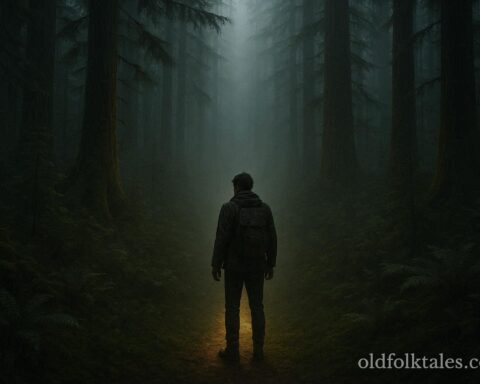
Deadman’s Hollow, a forested ravine tucked away in Allegheny County, Pennsylvania, has long been known to locals as a place of quiet beauty and subtle unease. Towering oaks and maples cast shadows that stretch across narrow trails, and the creek running through the hollow murmurs with a soft, constant rhythm. Yet, beneath the serene appearance of the woods, there is a story that has been whispered for generations: the tale of the Wailing Woman. Campers, hikers, and occasional hunters report hearing cries in the night, sorrowful and echoing, a sound that chills even the most experienced outdoorsmen.
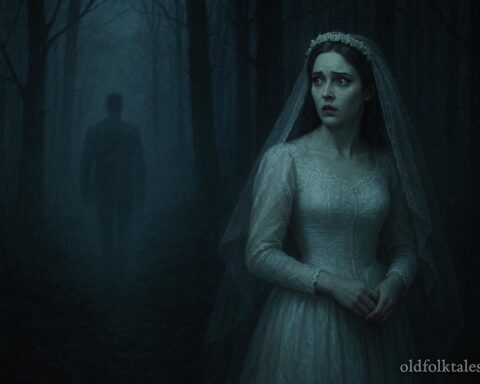
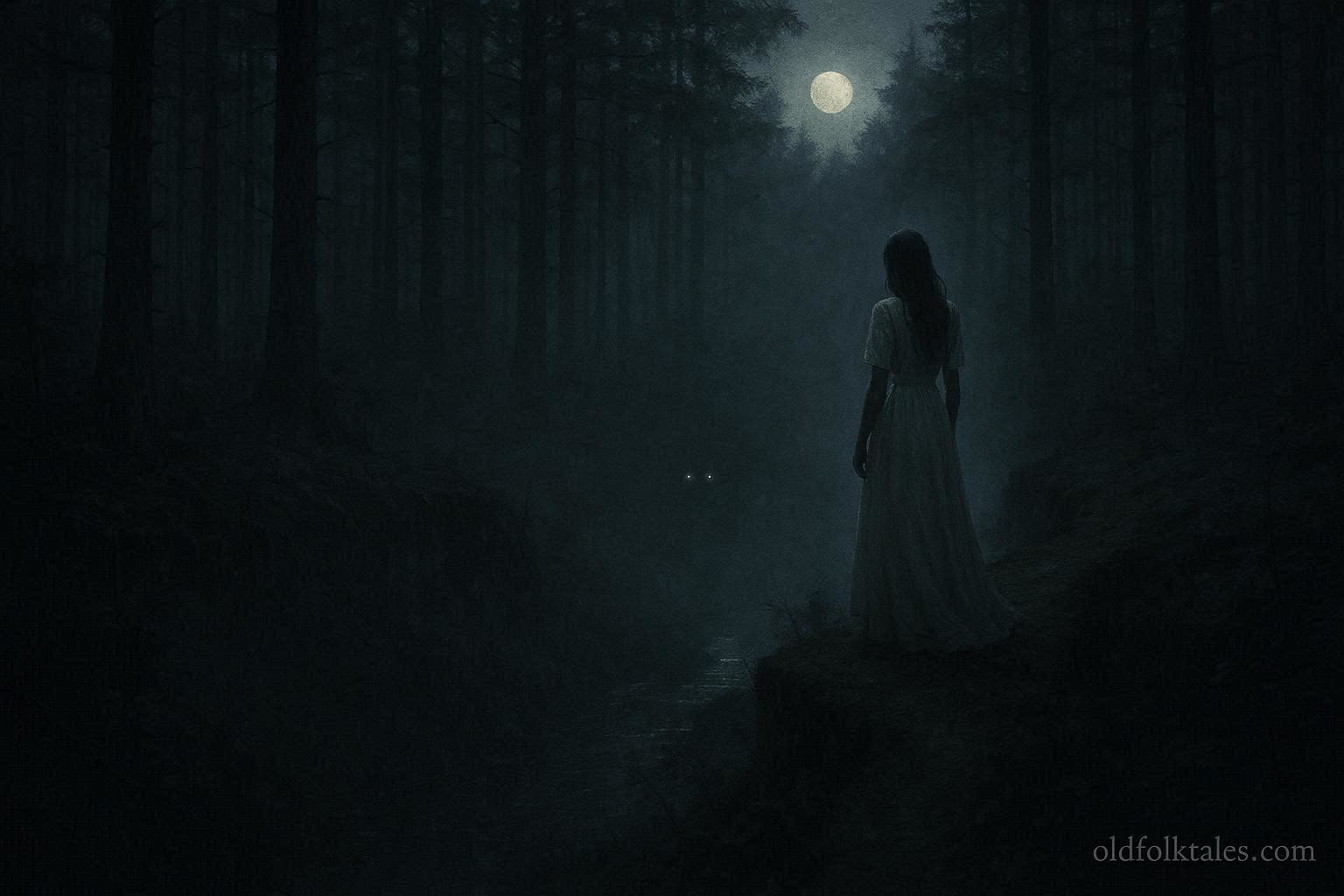
The legend says that the Wailing Woman was once a young mother living near the hollow in the late 1800s. She suffered the unimaginable loss of her child under mysterious circumstances. Overcome with grief, she wandered the forest day and night, calling out for her lost child. Neighbors remember seeing her in a white dress along the creek, her eyes hollow with despair, her voice carrying over the ravine. Some accounts claim she became so consumed by sorrow that she vanished into the forest entirely, leaving only her cries behind.
Over time, campers visiting Deadman’s Hollow began to report strange occurrences. In the dead of night, the sound of a woman wailing would drift through the trees, seemingly coming from different directions at once. Footsteps on fallen leaves would accompany the cries, though the forest remained empty. Some hikers claimed to have glimpsed a faint figure in white moving through the mist near the creek, vanishing when approached. Others said the cries would stop abruptly, leaving a haunting silence that seemed heavier than the natural sounds of the forest.
Explore the heart of America’s storytelling — from tall tales and tricksters
The Wailing Woman’s presence is not considered malicious. Her spirit embodies grief, loss, and the enduring human need for connection. Campers who encounter the cries often describe feelings of sadness, reflection, and empathy. Some claim that if a hiker stops to listen quietly, the wailing softens, almost as if the spirit acknowledges that someone has heard her sorrow. Many locals believe that the cries are warnings as well, cautioning travelers to respect the forest, remain safe, and acknowledge the history embedded in the land.
Some accounts suggest that natural phenomena contribute to the eerie sounds. Wind whistling through the ravine, water flowing over rocks, and the echoing of distant animals can create effects that mimic human crying. However, the consistency of the reports, sometimes by people unfamiliar with the legend, lends weight to the enduring power of the Wailing Woman story. Hikers who first hear the cries often return in daylight to retrace their steps, finding only the forest and creek, yet the impression remains long after the visit.
Stories of the Wailing Woman also serve as cultural memory for the community. They preserve local history, warn travelers of hidden dangers, and encourage respect for the environment. Elders pass the tale down orally to younger generations, teaching lessons about empathy, patience, and the consequences of grief left unresolved. The forest becomes a living classroom, blending natural beauty with moral reflection and the mysterious presence of a spirit who cannot rest.
The legend has inspired numerous creative works as well. Writers, artists, and filmmakers have depicted Deadman’s Hollow with the Wailing Woman as the central figure, capturing the haunting combination of sorrow and beauty that defines the forest. For many, the story is a reminder that the woods hold memory as much as life, that the past lingers not only in records but in the spirit of the land itself.
Visitors today still report unusual experiences. Some feel a cold breeze in the middle of summer or a sudden silence among birds. Others hear soft footsteps behind them while no one is near. Campers are advised to avoid traveling alone at night, but those who approach the forest with respect sometimes find the cries comforting, a reminder of love, loss, and the enduring presence of a grieving spirit whose story has survived through generations.
Discover chilling ghost tales and haunted places that echo through America’s towns and countryside.
Moral Lesson
The Wailing Woman teaches the importance of empathy, respect for grief, and the need to acknowledge and honor the feelings of others. It reminds people to approach nature with care, to listen to the stories embedded in the land, and to understand that loss and sorrow are universal human experiences.
Knowledge Check
- Where is the Wailing Woman said to appear?
Deadman’s Hollow, Allegheny County, Pennsylvania. - What caused the Wailing Woman’s sorrow?
The loss of her child under tragic circumstances. - How do witnesses describe her appearance?
A faint figure in a white dress moving near the creek. - What sounds are associated with her presence?
Sorrowful cries, wailing, and footsteps on leaves. - How do locals interpret the spirit?
As a mourning and cautionary presence rather than a harmful ghost. - What moral lesson does the story convey?
Empathy, respect for grief, and caution when navigating natural spaces.
Source
Adapted from University of Pittsburgh Archives Service Center
Cultural Origin
Allegheny County, Pennsylvania