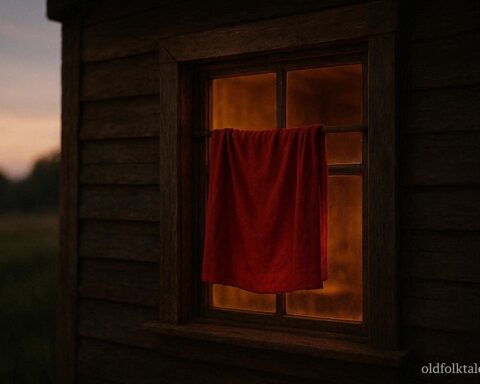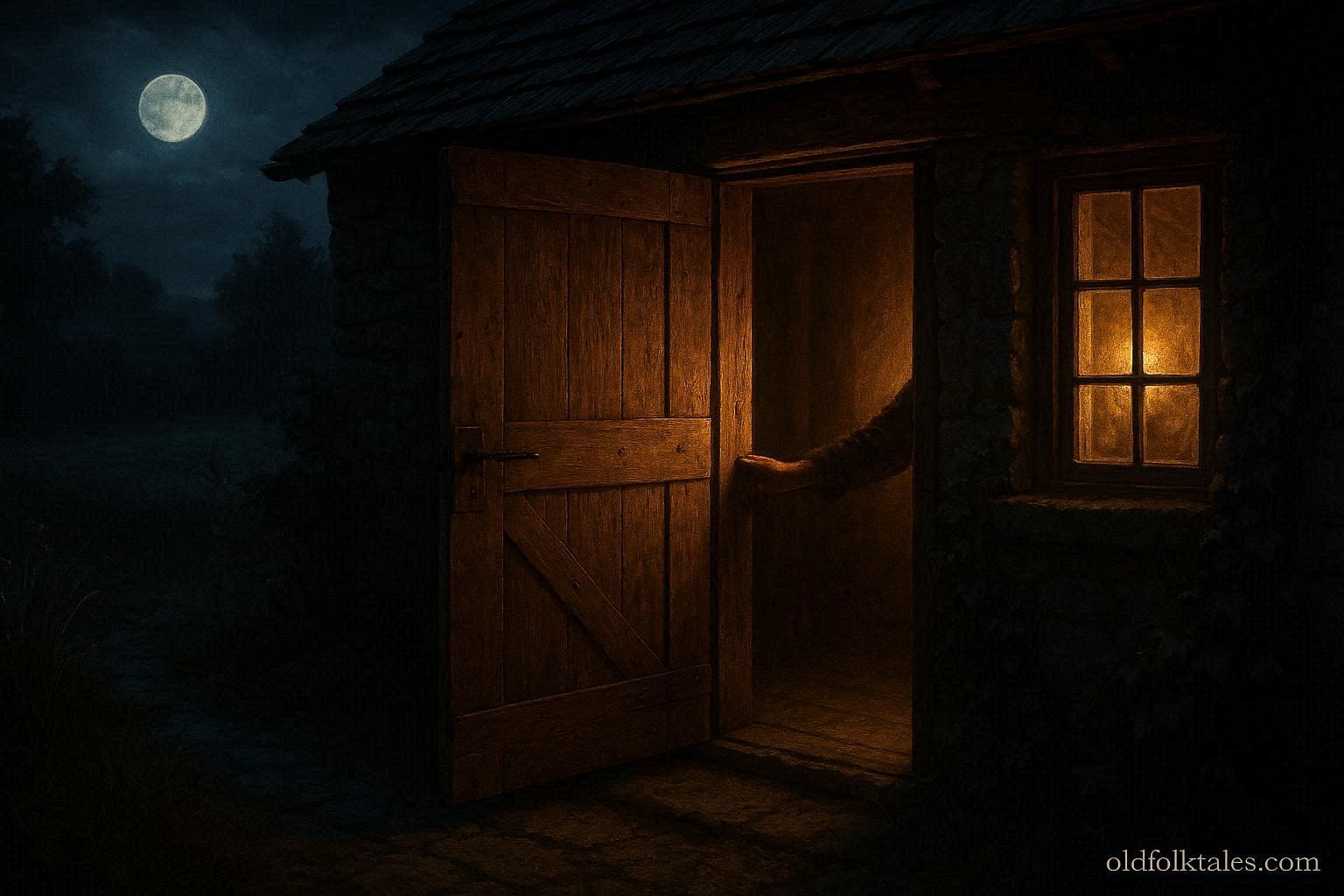
In many parts of the American South, when the sun began to set and shadows stretched across the land, a quiet routine would take place inside homes. Doors that had remained open throughout the day were slowly closed. Windows were latched. Curtains were drawn. It was not done out of habit alone, but out of a belief passed down through generations.
The night air, people said, was not the same as the air of the day.
It carried something unseen.
Something that could enter quietly and bring harm.
During the daytime, homes were open and welcoming. Fresh air moved freely through doorways and windows, carrying the warmth of the sun and the sounds of life outside. People worked, talked, and moved without concern for what the air might bring. But as evening approached, the mood began to change.
There was a stillness that came with the fading light.
A sense that the world was shifting.
And with that shift came caution.
Elders would remind younger members of the household to close the doors before darkness fully settled. Their voices carried both instruction and urgency, shaped by years of belief and experience. It was not a suggestion. It was something that had to be done.
Discover chilling ghost tales and haunted places that echo through America’s towns and countryside.
Children would sometimes ask why.
What was in the night air that made it different?
The answers were not always clear, but they were always serious.
Some said the night air carried sickness, invisible but powerful. Others believed it held wandering elements that could disturb the body, bringing fever, weakness, or restless sleep. There were also those who spoke of spiritual forces, moving more freely after dark, searching for open spaces to enter.
Whatever the explanation, the message remained the same.
Do not leave the door open at night.
There were stories that reinforced this belief, shared quietly among families and neighbors. One told of a household that had forgotten to close their door before going to sleep. The night was calm, and nothing seemed unusual. But by morning, one member of the family had fallen ill, struck suddenly without clear cause.
Another story spoke of a traveler who, unaware of the custom, slept with a window open in a small rural home. By the next day, they complained of chills and fatigue, their strength fading as though something had passed through the open space and settled within them.
These stories were not told to frighten, but to remind.
To teach.
To ensure that the practice continued.
Over time, the act of closing doors at night became more than just a precaution. It became a form of protection, a way of creating a boundary between the safety of the home and the uncertainty of the outside world. Families took comfort in this routine, knowing that they had done what was necessary to keep harm away.
The belief also shaped the way people understood health. Illness was not always seen as something that came from within the body alone. It could come from outside, carried by the air, entering through spaces left unguarded.
In this way, the home became a place of defense as much as shelter.
As years passed and knowledge of medicine and science grew, some began to question the idea of harmful night air. They spoke of germs, temperature changes, and environmental factors, offering explanations that differed from the older beliefs.
Yet even with these new understandings, the custom did not disappear.
In many homes, doors were still closed at night.
Not out of fear alone, but out of respect for tradition.
It was something that had been done for so long that it felt natural, almost instinctive. The act itself carried meaning beyond its original purpose. It represented care, awareness, and the desire to protect those within.
There were also moments when the belief seemed to hold a different kind of truth. Cool night air could bring discomfort, especially to those already weak or unwell. Sudden changes in temperature could affect the body, making rest more difficult.
In these ways, the practice continued to serve a purpose, even as its explanation changed.
The story of the night air became less about what could be proven and more about what was understood through experience. It was a reminder that not all traditions are built on fear alone. Some are shaped by observation, repeated over time until they become part of daily life.
In quiet rural areas, where the night still carries a deep silence, the custom remains. As darkness falls, doors close, windows are secured, and homes settle into a sense of calm. The outside world is left beyond the threshold, while the inside remains protected.
Those who follow the tradition may not always speak of it in the same way as those before them. They may not describe the night air as something harmful in the same terms. But the action remains the same.
The door is closed.
The boundary is set.
And within that space, there is a sense of safety.
The Night Air Ban on Open Doors continues to be remembered as both a belief and a practice, one that reflects the human need to understand and guard against what cannot be seen. It shows how communities create meaning around their environment, turning everyday actions into expressions of care and protection.
Even now, when the sun sets and the air cools, there are those who will rise quietly and close the door, not because they fear the night, but because they honor the wisdom passed down to them.
And in that simple act, the past remains present.
Step into America’s cultural roots — from folk healing and weather lore to seasonal celebrations.
Moral Lesson
Simple traditions, even when not fully understood, can carry wisdom about protection, care, and awareness of our surroundings.
Knowledge Check
- What was believed about the night air?
It was thought to carry illness or harmful unseen forces. - What action did families take at night?
They closed doors and windows to keep the night air out. - Why were children taught to follow this custom?
To protect them from possible sickness or harm. - How did stories reinforce the belief?
They described people becoming ill after exposure to night air. - Did the practice continue even with modern knowledge?
Yes, many still follow it out of tradition and caution. - What does the custom represent?
Protection, awareness, and respect for tradition.
Source
Adapted from materials preserved by Duke University
Cultural Origin
Southern American folklore