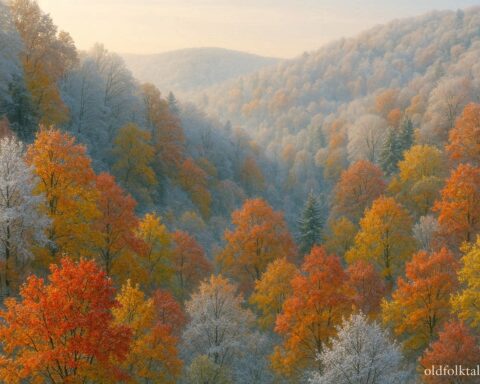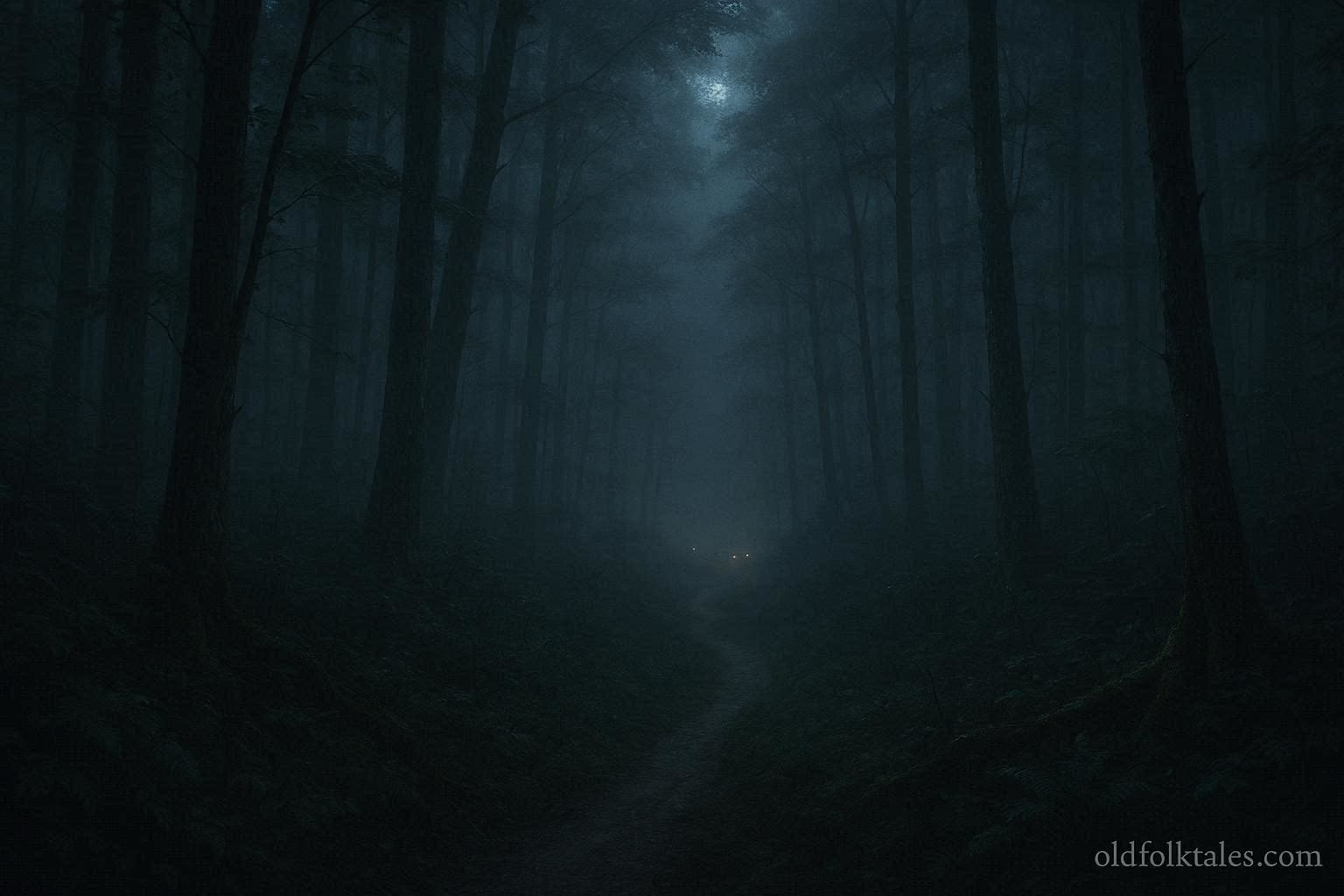
The Appalachian Mountains are cloaked in mist and shadow, and for centuries, the narrow valleys, steep ridges, and dense forests of the region have inspired stories that thrill and caution listeners. Among the most enduring are tales of witches who dwell in hidden hollows, commanding mysterious powers that link the natural world to human lives. Families in these mountain communities have long passed these stories down from generation to generation, recounting encounters with women and men believed to practice dark arts, control weather, or curse those who wandered too far from the safety of home.
One story tells of Widow Crowe, a reclusive woman living on the edge of a forested ridge. Locals whispered that she could call storms with a gesture or make livestock sick with a glance. Children were warned not to stray near her cabin, especially at twilight when the shadows grew long and the wind seemed to carry strange voices. According to the tale, those who ignored the warning often returned home frightened, claiming they had glimpsed her figure flitting between trees, accompanied by the howl of unseen animals.
The Appalachian witch legends often mix fear with morality. Many stories emphasize respect for nature and neighbors. Witches are frequently depicted as both powerful and isolated, sometimes benevolent to those who show humility and respectful to the land, and sometimes vengeful against those who act selfishly or recklessly. These tales served a practical purpose in small, isolated mountain communities. By presenting supernatural consequences for poor choices, elders could teach children and young adults lessons about honesty, respect, and caution while navigating rugged terrain.
Step into America’s cultural roots — from folk healing and weather lore to seasonal celebrations.
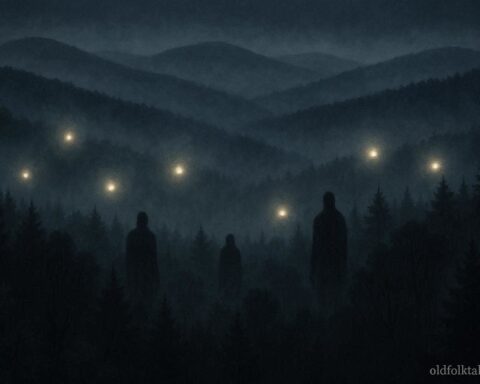
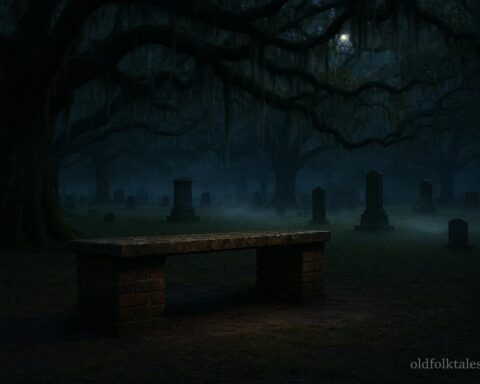
Encounters with witches are often tied to specific landscapes. Hollowed valleys, rocky caves, and abandoned cabins were said to be their domains. Some stories describe witches appearing as ordinary people, only revealing their powers through subtle signs such as unusual movements of animals, sudden chills in the air, or lights flickering in the distance. Witnesses recount seeing shadows move unnaturally, hearing footsteps when no one is there, or finding strange marks carved into trees and rocks. Each tale adds a layer of mystery to the mountains themselves, suggesting that the land is alive with both seen and unseen forces.
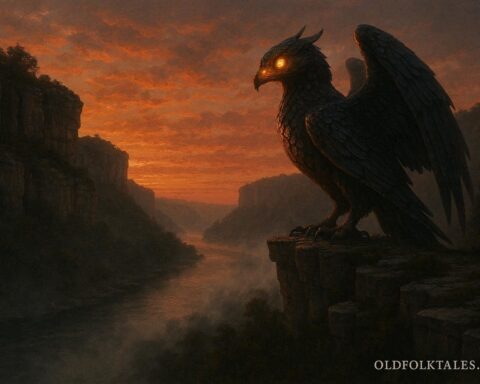
One widely recounted story tells of a group of young men hunting in the mountains who camped near an old hollow known as Witch’s Glen. At night, a low hum filled the air, and the fire sputtered as if caught in an invisible wind. Shadows danced among the trees, and the hunters claimed to see a figure with glowing eyes moving along the ridge. Terrified, they fled, only to find that some of their gear had been inexplicably moved. When they returned to the hollow during the day, nothing appeared out of place, leaving them and others in the community to wonder whether they had witnessed a witch or simply been caught in the mountains’ illusions.
Weather events and natural phenomena often became intertwined with witch lore. Sudden storms, unpredictable fogs, and wild animal behavior were sometimes attributed to the influence of witches, reinforcing the idea that these figures had powers beyond human understanding. A cold snap in early spring or a lightning strike in a dry season could be interpreted as the result of a witch’s displeasure, creating a moral framework where human actions were tied to consequences mediated by supernatural forces.
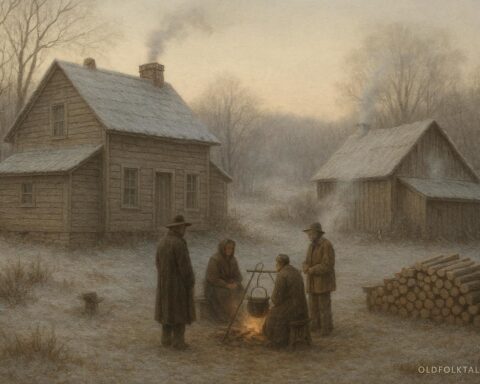
Over time, these legends became a form of community storytelling. Gatherings in homes during long winter nights were filled with tales of witches, spirits, and haunted hollows. Children and young adults listened eagerly as elders recounted how misfortune might befall those who ignored warnings or acted with greed. The stories were both entertaining and instructive, blending suspense with lessons about respect for neighbors, the land, and the natural rhythms of life in the Appalachian Mountains.
Some stories portray witches not as evil figures but as wise women who held knowledge of herbs, medicine, and survival techniques. These figures were both feared and revered, embodying the duality of power and responsibility. Families sometimes left small offerings at particular hollows or along trails to show respect, hoping to gain protection or guidance from these enigmatic presences. The legends served to remind people of the interconnectedness of the community, the environment, and the unseen forces believed to shape their lives.
Modern interest in Appalachian witch legends has grown with the rise of folklore studies, tourism, and popular culture. Scholars and writers have collected stories, documenting the intricate details of the mountains’ haunted hollows, the personalities of the witches, and the moral lessons conveyed through these narratives. Visitors to the region often explore old trails and hollows, guided by both natural beauty and the allure of ghostly tales that have persisted for centuries. Despite modernization and changes to the landscape, the stories retain their power to captivate, teach, and inspire imagination.
The enduring appeal of these legends lies in their blending of the ordinary and extraordinary. The mountains are both familiar and mysterious, and the witches serve as a bridge between the natural world and human morality. Tales of encounters with witches remind listeners to approach the world with respect, to value community wisdom, and to recognize that unseen forces may influence even everyday life.
Even today, the wind rustles through the hollows, and travelers report seeing lights, hearing whispers, or sensing presences along secluded trails. While skeptics may attribute these experiences to imagination, weather, or wildlife, for generations of Appalachian communities, the legends serve as living reminders that some aspects of life and nature cannot be fully explained, and that wisdom often comes wrapped in stories meant to preserve both memory and caution.
Explore the heart of America’s storytelling — from tall tales and tricksters to fireside family legends.
Moral Lesson
Appalachian witch legends teach respect for nature, caution in unfamiliar environments, and the importance of listening to community wisdom. They remind us that morality and survival can be communicated through stories passed from generation to generation.
Knowledge Check
- Where are Appalachian witch legends primarily told?
In the mountains and hollows of the Appalachian region? - What types of beings are central to these stories?
Witches and supernatural figures? - How do the stories convey moral lessons?
By illustrating consequences for reckless, greedy, or disrespectful behavior? - What natural phenomena were often attributed to witches?
Storms, fog, sudden weather changes, and unusual animal behavior? - How were witches sometimes viewed besides being feared?
As wise women knowledgeable in herbs, medicine, and survival? - What broader lesson do these legends teach?
Respect for nature, community wisdom, and careful behavior?
Source
Adapted from Appalachian State folklore archives
Cultural Origin
Appalachian region, United States