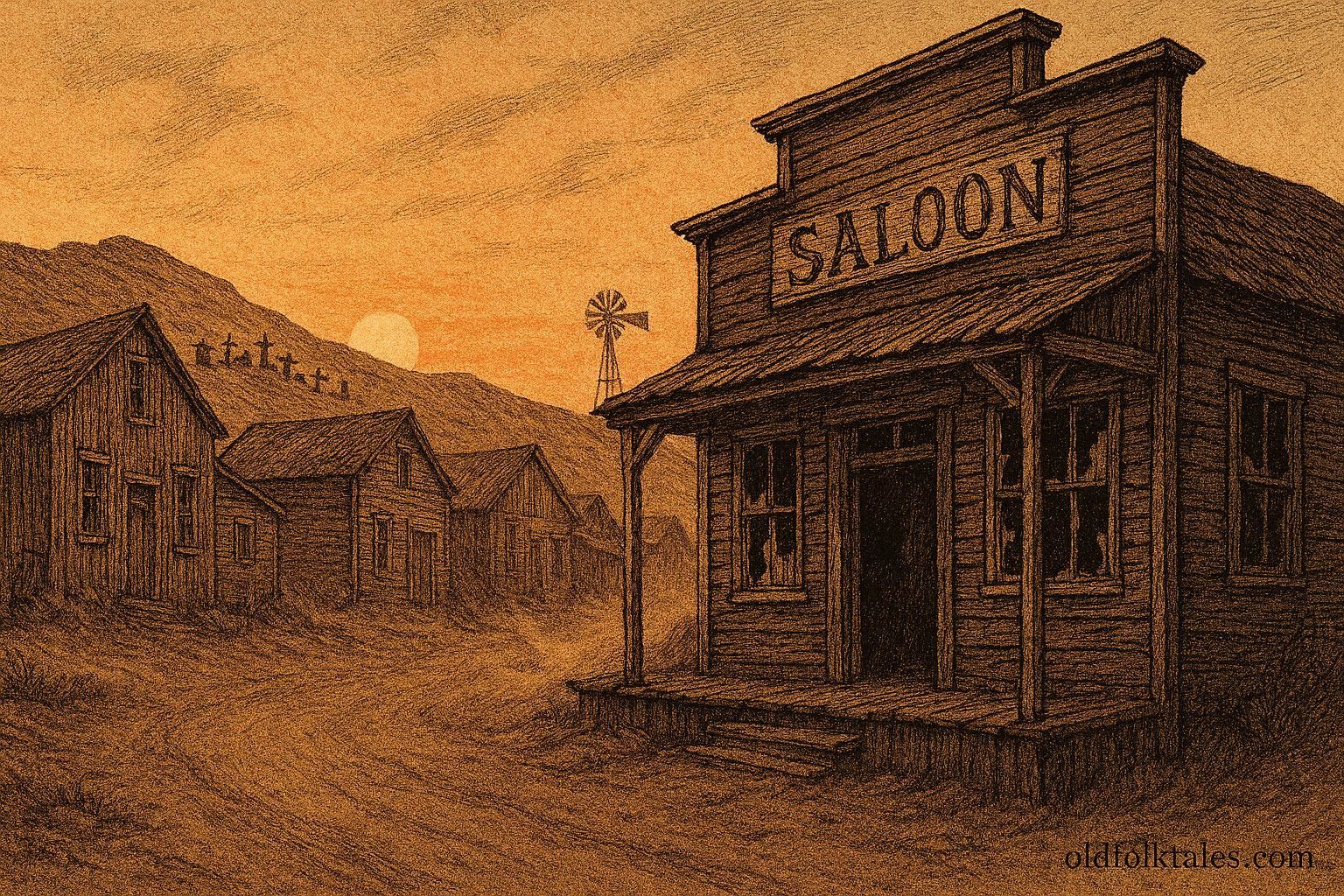
Wind moves differently through empty towns. It does not pass unnoticed or softened by conversation. It whistles through broken shutters, rattles loose boards, and carries dust across deserted streets. In the high desert of eastern California stands Bodie, a preserved Gold Rush town where silence has replaced the roar of ambition. Though officially uninhabited, many visitors insist that something still lingers there.
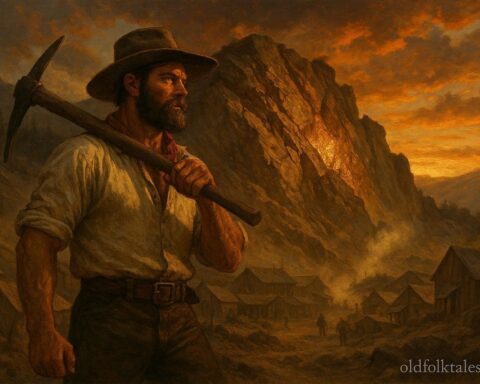
Bodie began as a mining camp after gold was discovered in 1859. By the late 1870s, it had grown into a booming town with thousands of residents. Wooden buildings lined dusty streets. Saloons, boarding houses, churches, and general stores served miners chasing fortune beneath the Sierra Nevada sky. The promise of gold drew people from across the country and beyond.
Life in Bodie was harsh despite its prosperity. Winters were brutal, with heavy snow isolating the town for months. Violence and lawlessness were not uncommon. Mining accidents claimed lives underground. Yet the town thrived economically for a brief period, producing millions of dollars in gold. Its rapid rise embodied the restless spirit of the American frontier.
Explore the heart of America’s storytelling — from tall tales and tricksters to fireside family legends.
Just as quickly as it flourished, Bodie declined. By the early twentieth century, gold production slowed. Families moved away seeking stability elsewhere. Businesses closed their doors. Buildings were left standing, furnished and intact, as if their occupants planned to return. Instead, Bodie slipped into abandonment.
Today, Bodie is preserved in what historians call a state of “arrested decay.” Maintained by California State Parks, the town remains frozen in time. Curtains hang in dusty windows. Bottles rest on wooden shelves. School desks sit in empty classrooms. This unusual preservation gives visitors the sense of stepping directly into the nineteenth century.
It is this stillness that fuels Bodie’s haunted reputation. Tourists often report hearing footsteps on boardwalks when no one else is nearby. Others describe doors creaking open despite calm weather. Some claim to see figures moving inside buildings that are locked and inaccessible. The stories vary, yet they share a common thread, the feeling that Bodie is not entirely deserted.
One of the most persistent legends involves the town’s cemetery. Weathered headstones mark the resting places of miners, children, and pioneers. Visitors sometimes speak of sensing a presence near certain graves. While no documented evidence confirms supernatural activity, the emotional weight of the site can be powerful. The cemetery stands as a reminder of lives cut short during a risky era.
Another well-known cautionary tale warns visitors not to remove artifacts from Bodie. According to local lore, those who take even a small object such as a rock or nail, experience misfortune until it is returned. Park officials report receiving mailed packages containing items accompanied by apology letters. Whether coincidence or belief, the legend reinforces respect for the site.
Environmental factors contribute to many reported experiences. The high desert climate produces sudden temperature shifts. Old wooden structures expand and contract, causing popping and cracking sounds. Wind funnels through narrow alleyways, creating eerie whistles. Shadows lengthen dramatically under the intense California sun. These natural phenomena easily transform into ghostly interpretations.
Folklorists classify Bodie’s stories as part of the broader ghost town haunting tradition. Unlike individual haunted houses tied to specific tragedies, ghost towns represent collective memory. Entire communities once lived, worked, and dreamed there. When abandoned, the absence feels unnatural, as though something has been interrupted.
Bodie’s preservation intensifies this effect. Many ghost towns have collapsed or been reclaimed by nature. Bodie, however, remains remarkably intact. Its saloons still display poker tables. Hotel rooms retain furniture. Personal belongings sit untouched. Visitors encounter not ruins, but suspended life. This preservation blurs the line between past and present.
Gold Rush folklore also plays a role in shaping Bodie’s legend. The era is remembered for both opportunity and hardship. Stories of sudden wealth coexist with tales of violence, greed, and isolation. In such narratives, spirits often symbolize unfinished business or lost ambition. Bodie becomes a stage for these symbolic echoes.
Paranormal investigators occasionally conduct nighttime explorations in the town. Some claim to capture unexplained audio recordings or photographs of unusual light patterns. Skeptics attribute these to environmental conditions or equipment anomalies. Regardless of interpretation, each investigation adds another chapter to Bodie’s evolving mythology.
Visitors frequently describe an emotional reaction rather than outright fear. Many say they feel watched, not threatened. Others sense a heaviness in certain buildings, particularly the schoolhouse or jail. These responses may stem from awareness of the town’s sudden collapse. Prosperity vanished almost overnight, leaving structures as silent witnesses.
Historians emphasize that Bodie’s real story is one of economic fluctuation and environmental challenge. Mining towns across the West experienced similar cycles. Yet few remain as visually intact as Bodie. Its survival allows imagination to flourish within a historically grounded setting.
The legend of Bodie reflects broader themes of abandonment and memory. When communities disappear, they leave behind physical spaces filled with emotional residue. Whether that residue manifests as ghosts or simply atmosphere depends on belief. What is certain is that Bodie compels reflection on ambition and impermanence.
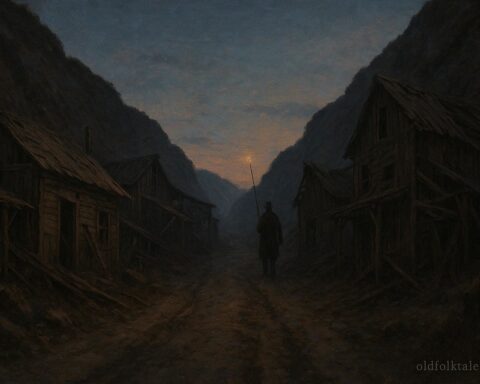
As sunlight fades over the desert hills and shadows stretch across wooden boardwalks, the town takes on a different character. The wind grows louder. Empty windows darken. In that quiet moment, it is easy to understand why visitors tell stories of unseen presences. Bodie feels paused, not ended.
Ultimately, Bodie Ghost Town stands as both historical landmark and cautionary legend. It reminds modern audiences of the fleeting nature of fortune and the resilience required on the frontier. Its ghost stories preserve not only mystery but also memory ensuring that the town, though abandoned, is never forgotten.
Step into shadowy legends of restless spirits and ghostly travelers in American Ghost Stories.
Moral Lesson
Wealth and ambition are temporary, but history endures. Respecting the past and preserving heritage honors those who lived before us.
Knowledge Check
- When did Bodie begin as a mining camp?
1859 - What caused Bodie’s decline?
Decreased gold production and economic downturn - What does “arrested decay” mean?
The town is preserved in its abandoned state without full restoration - What cautionary legend is associated with Bodie?
Misfortune follows those who remove artifacts from the town - What themes define Bodie’s haunted reputation?
Abandonment, frontier memory, cautionary legend - Who maintains Bodie today?
California State Parks
Source
Adapted from California State Parks Bodie archives; University of California digital history collections
Cultural Origin
California Gold Rush folklore