Mist rolled slowly through the Appalachian hollers as dawn pressed pale light across the ridges. The mountains stood layered in blue shadow, ancient and watchful. In these highlands, where narrow dirt roads wound between cabins and creeks, healing traditions traveled by memory rather than ink.
In a small timber house perched above a rushing stream lived an elderly woman known simply as Aunt Rebecca. Few outsiders knew her full name. In the surrounding counties, however, she was recognized for a rare and serious gift. She was a blood stopper.
The practice of blood stopping in Appalachia rests on a simple yet profound belief. Certain individuals, often chosen through family lineage or spiritual calling, are entrusted with a secret biblical verse. When spoken correctly over a wound, the verse is believed to halt bleeding. The power lies not in volume or drama, but in quiet, precise speech.
Discover chilling ghost tales and haunted places that echo through America’s towns and countryside.
Aunt Rebecca did not advertise her ability. Word spread through kinship networks and church gatherings. People sought her only when needed. It was not a gift to be displayed.
One late summer afternoon, a young man named Caleb arrived at her door, his hand wrapped hastily in a cloth already soaked with blood. He had slipped while chopping wood, and the axe had sliced across his palm. Panic clung to his breathing.
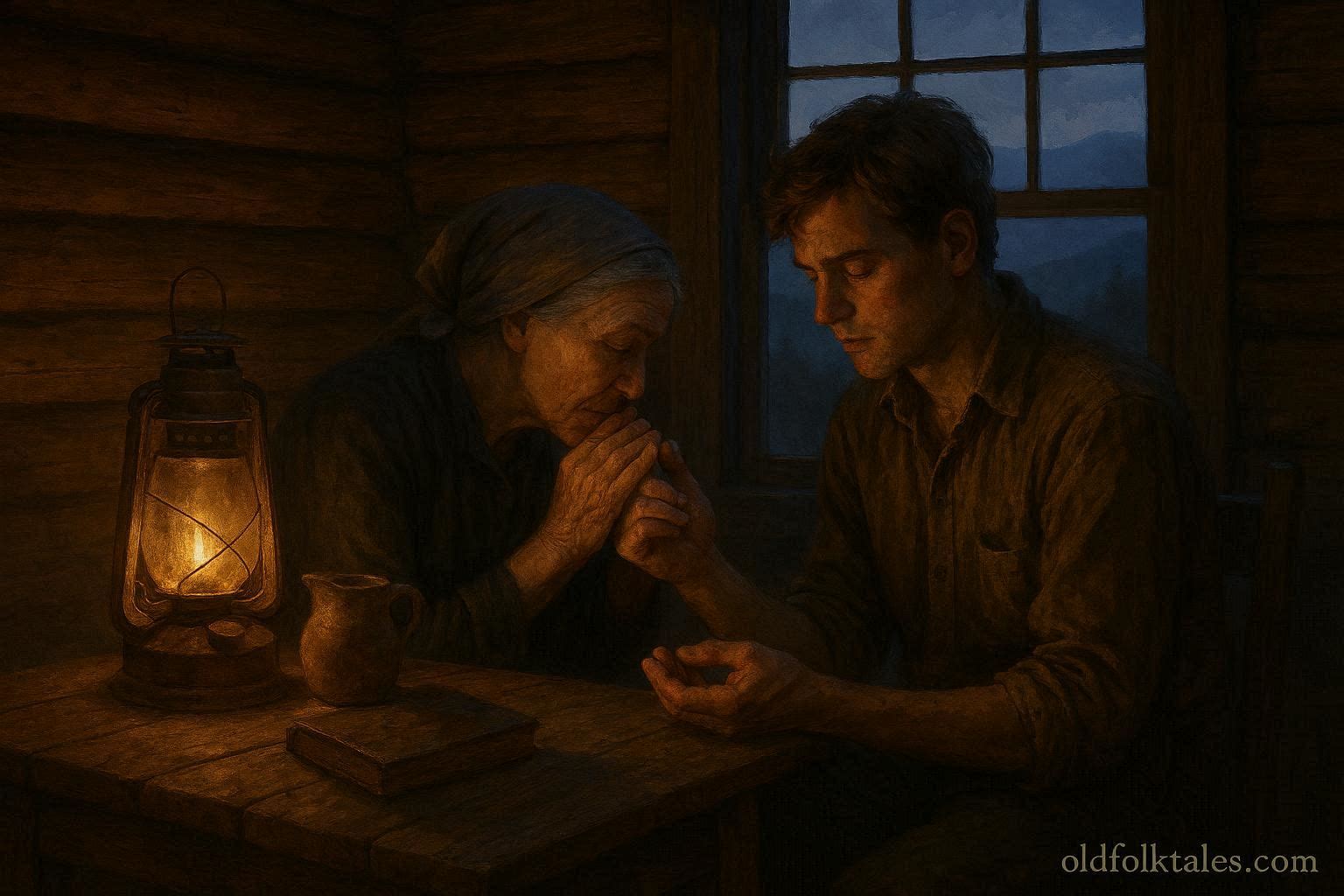
Aunt Rebecca ushered him inside without fuss. She washed her hands carefully and removed the cloth. The cut was deep and still bleeding steadily. She pressed clean fabric against it, applying practical pressure first. Appalachian charm healing did not reject common sense. Physical care accompanied sacred speech.
When the initial flow slowed slightly, she closed her eyes.
The room grew still. Even the ticking wall clock seemed to soften.
In a low whisper, she recited the verse entrusted to her decades earlier. The words were drawn from scripture, though the exact phrasing had been altered slightly through generations. It was not simply the verse that mattered. It was the lineage of voices that had carried it forward.
Caleb felt warmth spread from her steady hand into his own. The pressure remained firm but calm. The bleeding lessened. Within minutes, it slowed to a manageable seep.
She repeated the verse three times.
When she finished, she secured a clean bandage around the wound. Caleb stared in quiet astonishment. Whether through pressure, clotting, faith, or sacred speech, the bleeding had stopped.
In Appalachian communities, blood stoppers are often taught under strict rules. The verse must be passed down orally. It cannot be written. Some traditions insist it must be given to someone of the opposite gender. Others require that it be taught on a specific day of the year, often Good Friday. These rules reinforce the sacred secrecy surrounding the charm.
Aunt Rebecca had received the verse from her grandfather when she was nineteen. He had called her to his bedside one winter evening and whispered the words carefully, instructing her never to misuse them. She was told the power would fade if treated lightly.
Secrecy protects significance.
The Appalachian Mountains, stretching across multiple states, have long fostered isolated communities. In earlier centuries, access to doctors could require hours of travel over rugged terrain. Charm healers filled that gap, blending Christian scripture with inherited folk belief.
Blood stopping is part of a broader tradition sometimes referred to as “granny magic” or mountain charm healing. These practices include treating burns with whispered scripture, curing warts through spoken charms, and protecting livestock with prayer. Sacred speech forms the core.
Speech itself is powerful.
In biblical tradition, creation begins with spoken word. In Appalachian belief, words retain creative force. When uttered with faith and authority, they can influence physical reality.
Not everyone could become a blood stopper. It required belief, discipline, and often a sense of calling. Some who learned the verse never used it, fearing misuse. Others practiced quietly for decades, helping neighbors without recognition.
Caleb returned weeks later with fresh bread as thanks. His hand had healed cleanly, leaving only a thin scar. He asked Aunt Rebecca how the words worked.
She smiled gently. “It ain’t the words alone,” she said. “It’s the faith behind ’em. And the line of voices that carried ’em this far.”
As years passed, Aunt Rebecca grew older. She understood that the verse must eventually be passed on. Choosing the next blood stopper required discernment. It was not about intelligence or popularity. It was about steadiness of spirit.
On a spring afternoon, she called her niece Sarah to sit beside her on the porch. The mountains rolled green and endless before them. Birds darted between budding branches. In a hushed tone, Aunt Rebecca recited the verse slowly, ensuring every syllable was exact.
Sarah listened with reverence.
When the final word was spoken, Aunt Rebecca exhaled deeply. The tradition had moved forward one more generation.
Mountain blood stopping traditions endure because they represent more than medical intervention. They embody trust, oral secrecy, scriptural reverence, and communal care. In a region shaped by resilience and isolation, sacred speech became both shield and remedy.
Even today, stories circulate quietly in Appalachian towns. A child falls and bleeds heavily, and someone says, “Call a blood stopper.” A phone rings. A verse is spoken over distance. The bleeding slows.
Skeptics may attribute the results to natural clotting or pressure applied. Believers point to scripture and sacred lineage. Between these interpretations lies a deeper truth. The practice fosters calm, faith, and community trust during moments of fear.
As twilight settles across the mountains, the ridges fade into blue shadow once more. Somewhere in a wooden cabin, a quiet voice whispers an ancient verse. Words travel across air and memory, steady and unseen. In the Appalachian Mountains, sacred speech still carries weight.
Explore how American superstitions and rituals still influence modern life and local traditions.
Moral Lesson
Faith, responsibility, and reverence give power to words and preserve sacred traditions.
Knowledge Check
- What is a blood stopper believed to do?
Speak a secret biblical verse to stop bleeding - Why is the verse kept secret?
To preserve its sacred power and prevent misuse - What practical step accompanies the spoken charm?
Applying physical pressure and bandaging the wound - Why were blood stoppers important in mountain communities?
Medical care was often far away or difficult to access - How is the verse traditionally passed down?
Orally from one trusted person to another - What gives the words their believed power?
Faith and the lineage of voices carrying the tradition
Source
Adapted from Appalachian Studies Association archives; Library of Congress field recordings
Cultural Origin
Appalachian Mountains