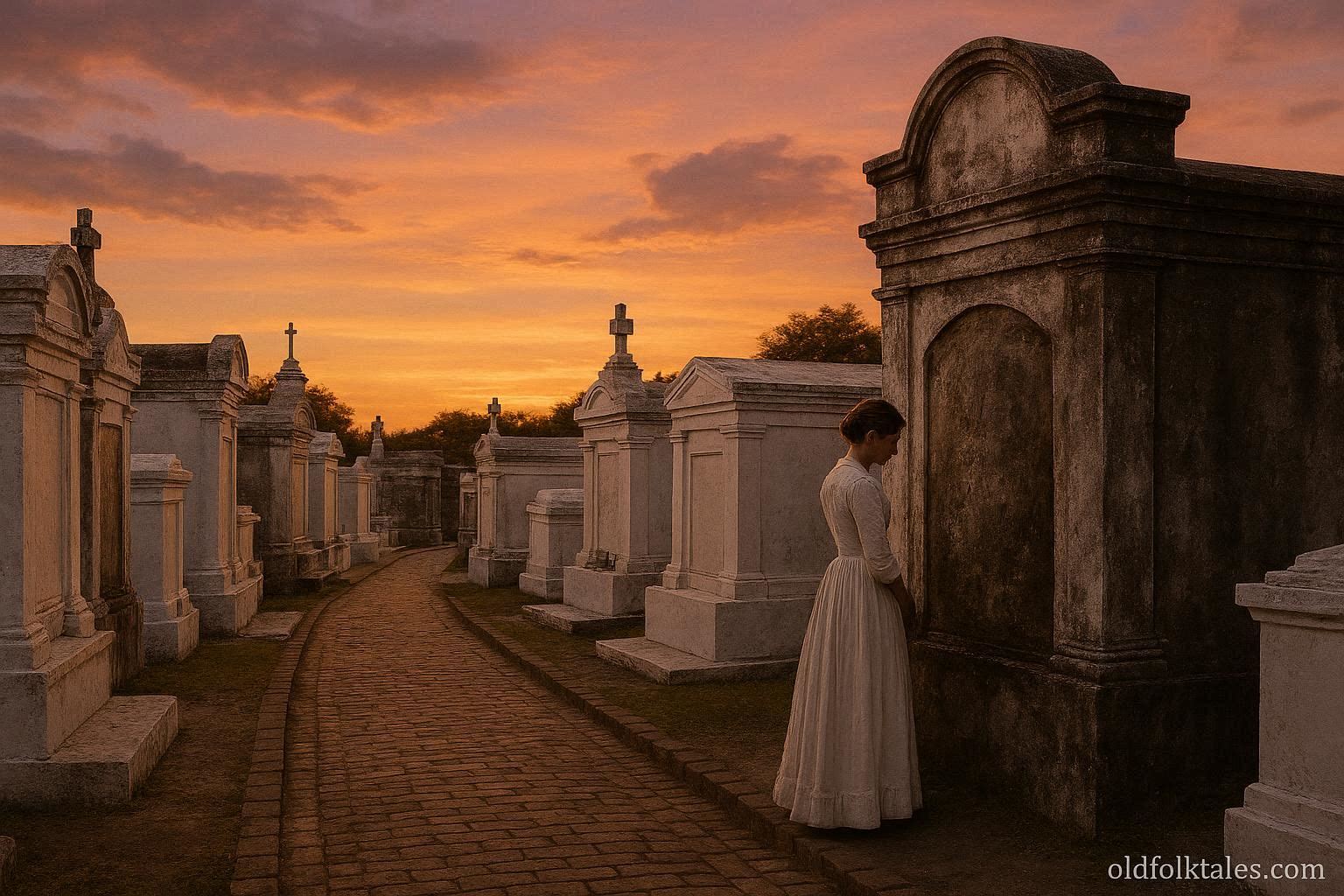
In the heart of old New Orleans stands one of the most historic burial grounds in America. St. Louis Cemetery No. 1 was established in the late eighteenth century and quickly became a silent city of the dead within the living city. Unlike traditional graveyards filled with grass and simple headstones, this cemetery rises above the earth. Whitewashed tombs stand side by side like small houses. Vaults are stacked one upon another, forming narrow passageways where footsteps echo against brick and plaster. The design was practical because New Orleans rests below sea level, yet it also created an atmosphere unlike any other cemetery in the United States.
During the day, visitors walk carefully through the tight corridors of tombs. The Louisiana sun reflects brightly off pale walls. Names carved into stone tell stories of centuries past. Merchants, soldiers, mothers, children, immigrants, and prominent citizens all rest within these vaults. The cemetery holds layers of cultural history. French and Spanish colonial influence shaped its architecture. Catholic burial traditions guided its rituals. African spiritual heritage enriched its meaning. All these elements blended together in one sacred space.
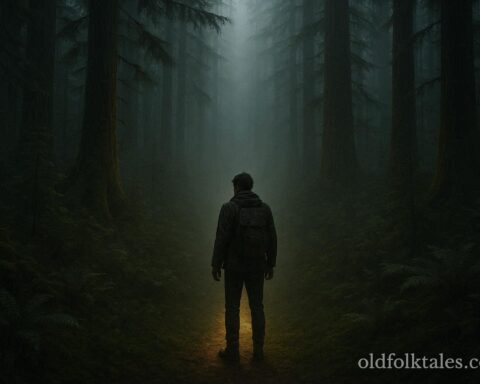
As evening approaches, the mood changes. Shadows stretch between the tombs. The lively music of the French Quarter softens beyond the walls. Humidity thickens the air and silence settles over the pathways. The cemetery begins to feel less like a historical site and more like a threshold between memory and mystery. It is during these quiet hours that stories are most often told.
Discover African American wisdom, Native American spirit stories, and the humor of early pioneers in American Folktales.
Among the many tombs within St. Louis Cemetery No. 1 lies the alleged resting place of Marie Laveau. Born in 1801, Marie Laveau became one of the most influential spiritual figures in nineteenth century Louisiana. She was known as the Voodoo Queen of New Orleans. As a free woman of color, she built a remarkable reputation for spiritual leadership. She practiced Voodoo blended with Catholic prayer traditions. People from every background sought her guidance. Some came for healing. Others came for protection. Wealthy citizens consulted her just as frequently as the poor. Over time, her influence extended far beyond ritual practices and into the social fabric of the city itself.
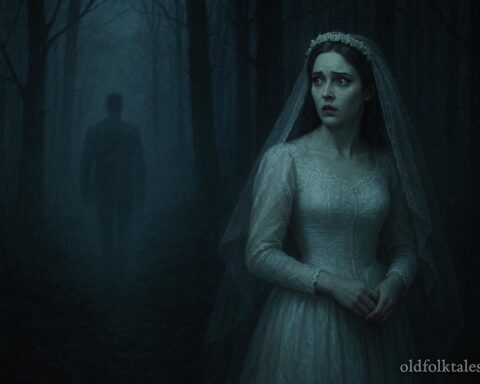
When Marie Laveau died in 1881, she was buried in St. Louis Cemetery No. 1. Her death did not end her influence. Instead, it marked the beginning of her legend. Stories soon circulated that her spirit continued to walk among the tombs. Visitors claimed to see a woman dressed in white moving silently through the narrow passageways at dusk. Others reported feeling sudden warmth or an unexplained presence near her tomb. Some believed that prayers offered at her resting place carried special power.
Over the decades, traditions formed around her grave. Visitors began leaving offerings such as coins, flowers, beads, and candles. Some drew symbolic markings on the tomb, believing that specific signs would bring protection or answered prayers. Guides often remind visitors to act respectfully, emphasizing that the cemetery is a sacred space. Still, the stories persist and continue to attract both believers and curious travelers.
One often told account speaks of a young woman who entered the cemetery burdened by worry. She knelt before the tomb of Marie Laveau and prayed quietly for strength to face a difficult season in her life. According to the tale, she felt a sudden calm settle over her. The air grew still and warm despite the fading daylight. Though she saw no figure and heard no voice, she later described leaving the cemetery with renewed courage. Whether her experience was spiritual or emotional, the legend transformed it into something extraordinary.
Another story tells of visitors who lingered too long after sunset and claimed to glimpse a tall figure in white near the far wall of the cemetery. They described the figure as neither threatening nor welcoming but simply present. When they looked again, the pathway was empty. These stories are passed from guide to tourist and from resident to visitor, growing slightly with each retelling.
Historians note that Marie Laveau was a real historical figure whose life has been documented in church records and local archives. Folklore scholars explain that legends often grow around influential individuals. In New Orleans, where music, faith, ritual, and memory intertwine, the boundary between history and legend feels fluid. The story of the Voodoo Queen reflects the city’s cultural blending and spiritual resilience.
In the modern era, St. Louis Cemetery No. 1 remains carefully preserved. Access is regulated to protect its fragile structures. Official tours share documented history while acknowledging the folklore that surrounds the site. Museums and archives in Louisiana continue to study both the life of Marie Laveau and the cultural impact of her legend. The cemetery stands as a symbol of New Orleans itself, where spirituality, resilience, and storytelling coexist.
On quiet evenings, when the last visitors leave and the gates close, the tombs glow faintly beneath the Louisiana sky. Whether or not a spirit walks among them remains a matter of belief. What is certain is that the legend of Marie Laveau continues to shape the identity of the cemetery and the city beyond its walls. The story endures not because it can be proven, but because it speaks to the enduring human desire to believe that influence, faith, and memory do not end with death.
St. Louis Cemetery No. 1 remains more than a burial ground. It is a monument to history, culture, and the powerful stories people carry long after the sun sets over New Orleans.
Click to explore all American Ghost Stories — haunting legends of spirits, lost souls, and mysterious places across the U.S.
Moral Lesson
Legends often grow from real lives and real history. The story of Marie Laveau teaches that faith, cultural heritage, and respect for sacred spaces should be honored. True power lies not in superstition but in understanding and valuing the traditions that shape a community.
Knowledge Check
- When was St. Louis Cemetery No. 1 established?
It was established in the late eighteenth century. - Why are the tombs built above ground?
Because New Orleans is below sea level and traditional burials are impractical. - Who was Marie Laveau?
She was a nineteenth century spiritual leader known as the Voodoo Queen of New Orleans. - In what year did Marie Laveau die?
She died in 1881. - What traditions developed around her tomb?
Visitors leave offerings and pray for guidance or protection. - Why does the legend continue today?
Because it reflects cultural identity, faith, and the human desire for hope and connection.
Source
Adapted from Louisiana state archives and regional historical records
Cultural Origin
New Orleans Louisiana nineteenth century folklore