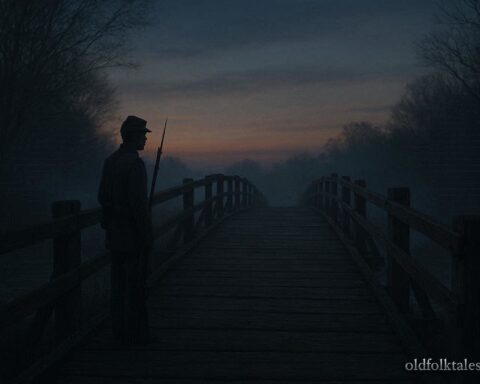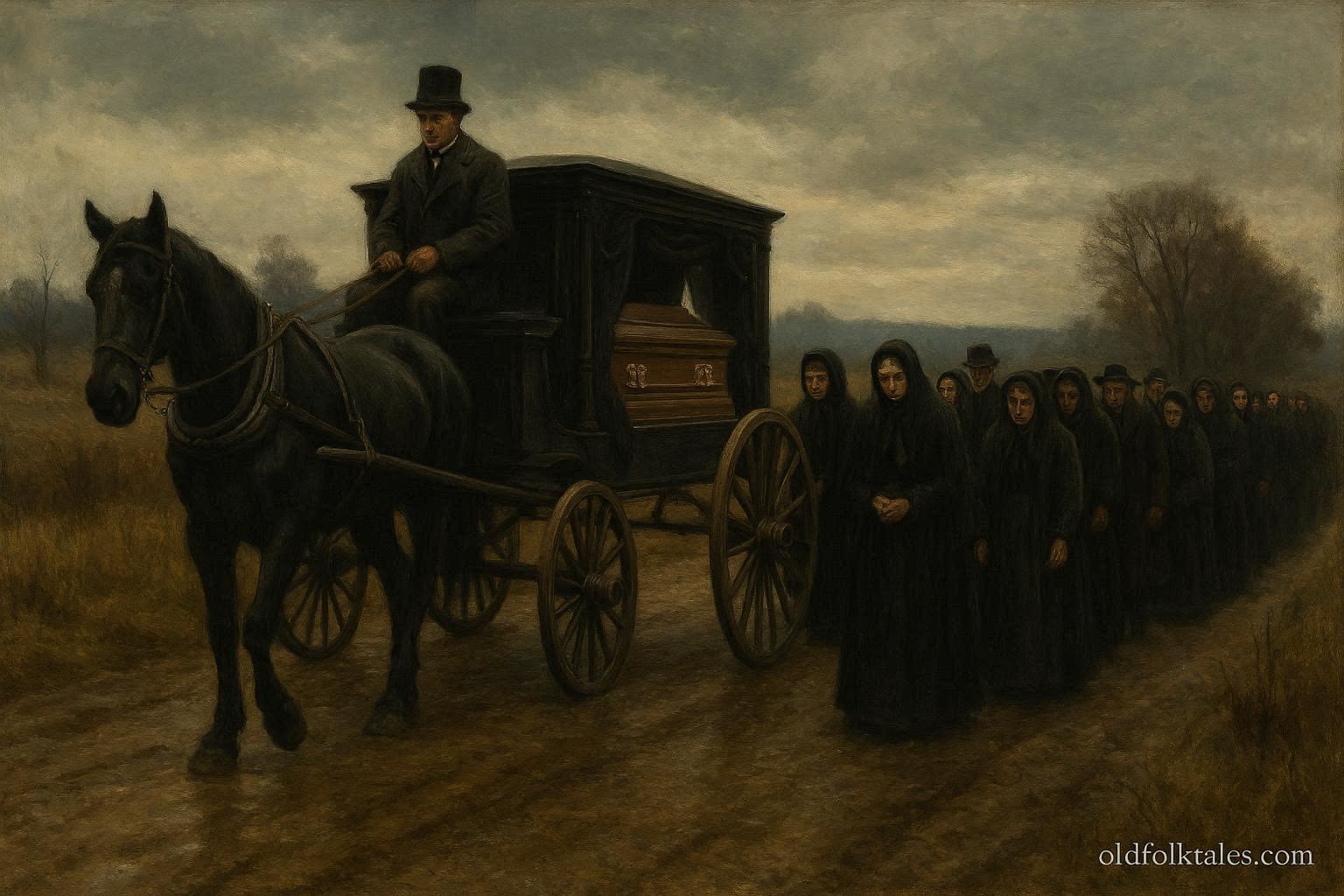
Funerals in American history have long been marked by a mixture of solemn ritual, grief, and superstition. Among the many beliefs surrounding death and mourning, one particularly compelling tradition warns against interrupting or disrespecting a funeral procession, suggesting that doing so could bring misfortune, illness, or even death to those who disobeyed. This superstition, passed down through generations, reflects deep respect for the dead and the social rituals that surround mourning.
In many 18th- and 19th-century American communities, funerals were public events, drawing neighbors, friends, and extended family. The deceased would often be carried in a horse-drawn hearse, followed by a procession of mourners walking behind the coffin to the cemetery. During these processions, townspeople were expected to show respect: stepping aside to allow the procession to pass, lowering their heads, or refraining from loud conversation. Any disruption was considered a serious offense not only socially inappropriate but also potentially dangerous in a spiritual sense.
Stories from rural New England towns describe instances when individuals ignored these customs and suffered consequences soon after. One account tells of a man who, in a moment of impatience, tried to cut across a funeral procession on a narrow road. According to local folklore, the man later fell ill and was bedridden for weeks. Neighbors attributed his misfortune directly to his lack of respect for the deceased and the solemnity of the procession. While modern readers might dismiss such stories as coincidence, in the communities that preserved them, they reinforced moral behavior and social cohesion.
Discover celestial myths of the sun, moon, and stars — and the heroes who bridged earth and sky.
In addition to social rules, the superstition also emphasized spiritual beliefs. Many people believed that the spirits of the dead could sense disrespect and that disrupting the funeral procession could invite malevolent forces or ancestral displeasure. Some families insisted on elaborate rites, including covering windows with black cloth, ringing bells, or walking silently beside the hearse, to protect themselves from bad omens and ensure the deceased’s peaceful journey to the afterlife. The superstition around interrupting the procession served as a reminder that death was both a physical and spiritual passage, demanding reverence from the living.
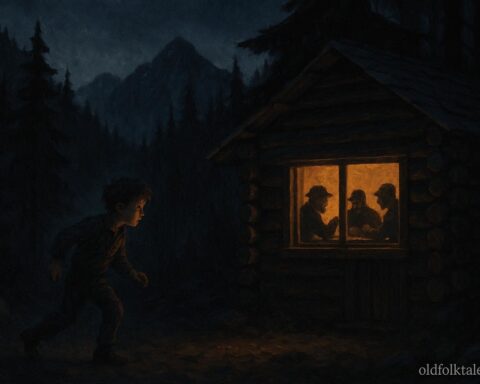
One particularly vivid story comes from a small Pennsylvania town in the 19th century. A young boy, curious about a funeral passing through the village, darted across the street in front of the procession. That evening, his family recounted strange occurrences in their home: objects fell from shelves without explanation, cold drafts passed through closed rooms, and the boy became unusually ill. The townspeople interpreted these events as warnings from the spirit world, reinforcing the cultural belief that funeral processions must be treated with respect.
The superstition also served practical social purposes. Funerals were communal events, and the procession helped organize crowds, maintain order, and provide space for mourners to grieve safely. By teaching that interruptions could bring misfortune, communities encouraged everyone to participate respectfully, minimizing chaos and potential accidents along often crowded roads or churchyards.
In some regions, the superstition was extended to indirect behaviors. For example, it was considered unlucky to cross paths with a funeral procession without proper acknowledgment, to whistle while a procession passed, or to speak ill of the deceased during the event. Local newspapers from the 1800s occasionally warned readers about these practices, emphasizing the importance of tradition and moral conduct.
Over time, the belief also became a tool for teaching younger generations about social etiquette, community responsibility, and respect for life and death. Children were reminded by elders to pause their play, remove hats, and behave quietly when a procession passed. These small acts of obedience were framed as lessons in morality, responsibility, and the proper way to honor the departed.
Although modern funerals are often conducted with greater privacy and less public procession, echoes of the superstition remain. In some rural areas, people still pause to acknowledge hearses on the road, and stories of bad luck following disrespectful behavior persist. This continuity demonstrates how folklore adapts while retaining its symbolic power, encouraging reverence for customs even in changing cultural landscapes.
Ultimately, the superstition of the funeral procession omen is not just about fear of misfortune. it is about teaching respect, community cohesion, and the importance of honoring those who have passed. It illustrates how American folklore often blends practical, moral, and spiritual lessons, using stories of potential misfortune to shape behavior and preserve traditions.
Explore how American superstitions and rituals still influence modern life and local traditions.
Moral Lesson
The superstition teaches that respect for the dead and observance of communal rituals strengthen social bonds and protect both the living and the memory of the departed. Thoughtless or careless actions can have consequences, emphasizing mindfulness and cultural reverence.
Knowledge Check
- What was believed to happen if someone interrupted a funeral procession?
They could suffer misfortune, illness, or spiritual displeasure.
- Why were funeral processions important in 18th- and 19th-century communities?
They helped organize crowds, maintain order, and allow mourners to grieve properly.
- How did the superstition influence children and younger community members?
It taught them proper behavior, respect, and social etiquette around death.
- What spiritual beliefs were connected to funeral processions?
People believed the spirits of the dead could sense disrespect and cause harm to the living.
- Which actions were considered disrespectful besides interrupting the procession?
Whistling, crossing paths without acknowledgment, or speaking ill of the deceased.
- What does this superstition represent in American folklore?
It symbolizes respect for life and death, moral teaching, and the importance of honoring communal rituals.
Source
Adapted from materials preserved in the Harvard University Houghton Library
Cultural Origin
American mourning traditions