In a time when iron tracks stretched steadily across the land, connecting distant places and shaping new paths of travel, the railroad became a symbol of progress. Towns grew along its routes, and the sound of engines moving across steel echoed through valleys, plains, and hills. It was a system built on precision, timing, and trust, where even the smallest mistake could lead to great danger.
The work behind the railroad was constant.
Tracks had to be inspected.
Routes had to be cleared.
Conditions had to be understood before each journey began.
The land itself was not always easy to cross. There were steep inclines, narrow passes, unstable ground, and stretches where weather could change without warning. These challenges made travel uncertain, especially in areas where visibility was limited and the margin for error was small.
It was in this demanding environment that the figure known as the Iron Rider became known.
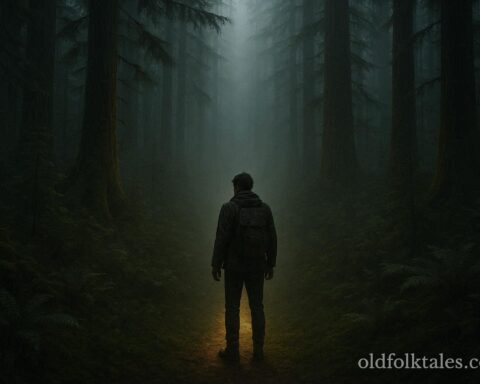
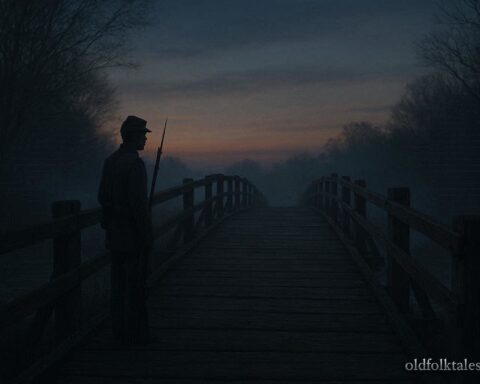
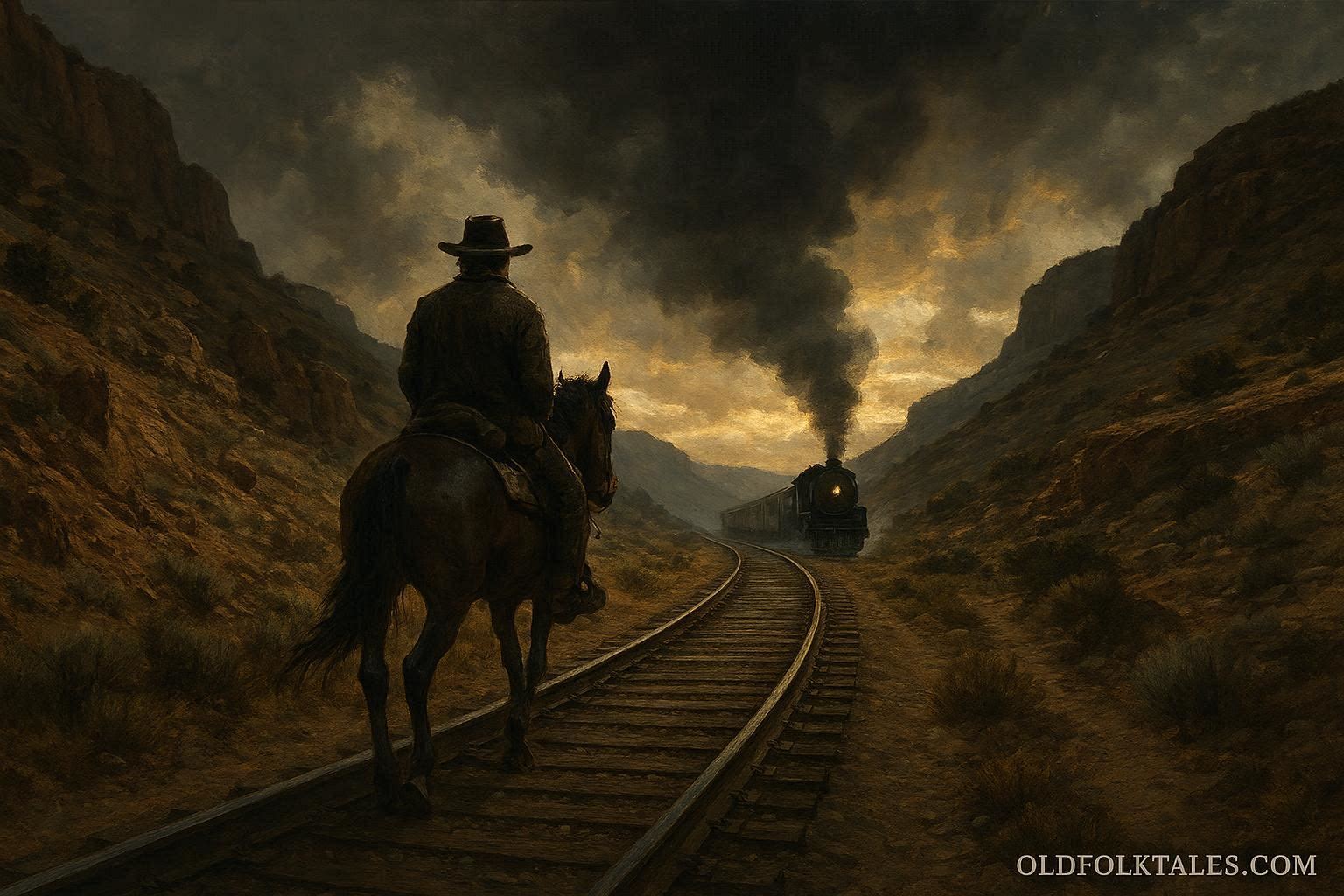
The rider was not tied to one station or one section of track. They moved along the railway itself, traveling ahead of the trains, watching, listening, and observing the condition of the route. They rode through early light and fading dusk, often alone, carrying only what was necessary and relying on awareness above all else.
At first, the rider was seen as part of the system.
A worker among many.
Someone doing their duty.
But over time, stories began to spread about the way they worked.
The Iron Rider did not simply follow routine.
They anticipated.
Step into America’s cultural roots — from folk healing and weather lore to seasonal celebrations.
There were moments when the rider would slow or stop without visible cause, examining a section of track that appeared stable to others. At times, they would signal a delay, holding a train back even when everything seemed clear.
These decisions were not always understood at the moment they were made.
But they proved to be necessary.
On one occasion, a train had been scheduled to pass through a narrow mountain path. The track had been checked earlier, and no issues had been reported. The conditions appeared safe, and there was no reason to expect trouble.
Yet the Iron Rider paused.
They studied the ground, the alignment of the track, the surrounding rock. Something felt wrong, though nothing could be clearly seen.
They signaled for the train to wait.
Time passed.
Questions were raised.
Then, without warning, part of the mountainside shifted. Rock and debris fell across the track, covering the path that the train would have taken.
What had seemed secure had changed in an instant.
The delay had made the difference.
After that, the rider’s actions were no longer questioned in the same way. People began to understand that the Iron Rider saw more than what was visible at first glance. They paid attention to details others might overlook, to subtle changes in the land that signaled larger risks.
Still, the rider did not explain how they knew.
They continued their work quietly.
Steadily.
Moving along the rails with purpose.
Another time, the challenge came not from the land, but from the weather. A storm gathered quickly across a stretch of open terrain. The sky darkened, and the wind began to rise. Visibility dropped, and the track ahead became difficult to read.
The Iron Rider moved forward into the storm, checking the route ahead. The conditions were harsh, and the path uncertain. Yet they continued, aware that a train would soon follow the same line.
As they advanced, they noticed a section of track that had begun to shift under pressure from the ground beneath. It was not yet broken, but it was no longer stable.
Without delay, they sent word back.
The train was stopped.
Repairs were made.
And what could have become a disaster was prevented before it began.
These moments built the rider’s reputation. Not as someone who reacted to danger, but as someone who prevented it. The Iron Rider became known not only for bravery, but for vigilance, for the ability to remain aware in conditions where others might miss what mattered.
Workers along the railway began to trust the rider’s judgment. When a signal came from ahead, it was followed without hesitation. The understanding grew that safety depended not only on strength or speed, but on attention.
On the ability to see what others might pass by.
As the railroad expanded, so did the stories. The Iron Rider was said to travel long distances without rest, appearing wherever the tracks were most difficult, most uncertain. Some claimed the rider arrived before problems could even be detected, as though guided by something beyond ordinary awareness.
Others believed it was simply experience.
Years of observing patterns.
Learning the land.
Understanding the behavior of weather, ground, and steel.
Whatever the reason, the result was the same.
Trains moved safely.
Journeys were completed.
Lives were protected.
One of the most remembered events took place along a remote stretch of track that crossed a wide and uneven plain. The ground there was known to shift, especially after heavy rain. It was a place where careful attention was always required.
The Iron Rider approached the area with caution. The surface appeared normal, but something felt different. The alignment of the track was slightly off, not enough to be immediately dangerous, but enough to raise concern.
The rider stopped.
Examined the line.
And made the decision to halt all movement.
The delay caused frustration at first. The sky was clear, and there was no visible reason to stop. But the rider remained firm, refusing to allow passage until the section was fully checked.
When the inspection was completed, the issue became clear. The ground beneath the track had begun to sink, weakening the foundation. It would not have held under the weight of a passing train.
The decision to stop had prevented what could have been a serious accident.
From that moment, the Iron Rider became more than just a figure along the railway. They became a symbol of responsibility, of the understanding that progress must be guided by care.
That movement forward must always be balanced with awareness.
Even as time passed and technology improved, the story of the Iron Rider remained. It was told not as a tale of speed or power, but as one of attention and duty. It reminded those who worked along the rails that safety was not guaranteed by structure alone.
It required people.
It required vigilance.
It required the willingness to act before danger revealed itself.
The Iron Rider was never fully defined.
Some believed they were a single person.
Others believed the name represented a role, carried by those who understood the responsibility it required.
But the story remained the same.
A rider moving ahead of the train.
Watching.
Listening.
Ensuring that the path was safe before others followed.
Because in a world built on movement, the greatest protection comes not from reacting to danger.
But from recognizing it before it arrives.
Explore ancient Native American creation myths and the symbolic tales that shaped America’s belief systems.
Moral Lesson
Careful observation and early action can prevent danger and ensure the safety of others.
Knowledge Check
- What was the role of the Iron Rider?
To inspect railway routes and ensure safe passage. - What made the Iron Rider unique?
They could sense danger before it became visible. - How did the rider prevent accidents?
By stopping trains and checking unsafe sections of track. - What challenges did the rider face?
Difficult terrain, changing weather, and unstable ground. - Why did people trust the Iron Rider?
Because their decisions consistently prevented danger. - What lesson does the story teach?
That vigilance and responsibility are key to safety.
Source
Adapted from materials preserved by University of Nebraska
Cultural Origin
Railroad-era folklore