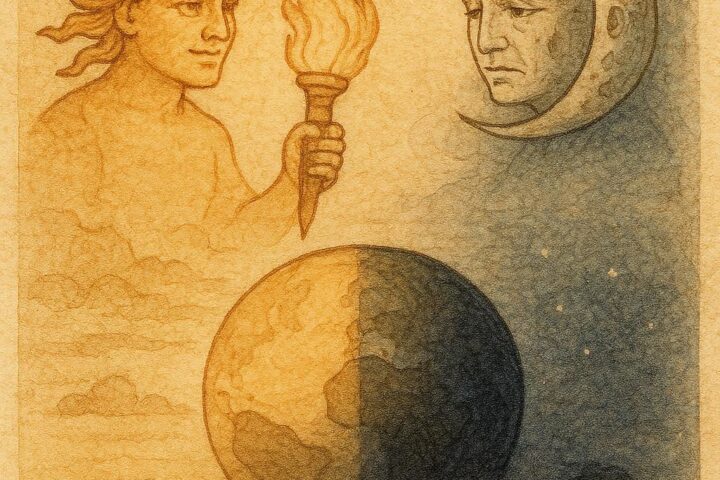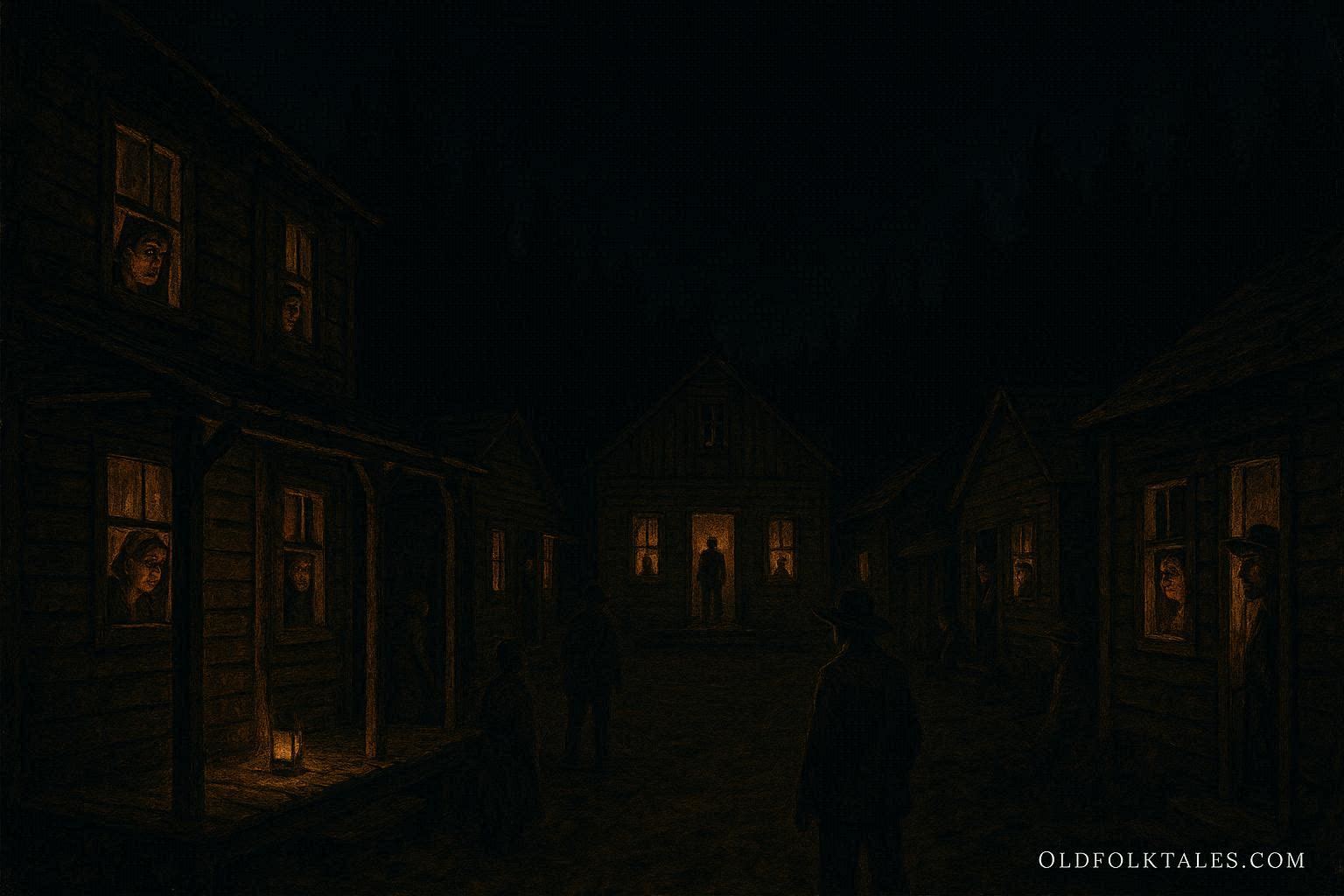
In a small frontier town surrounded by forests and hills, people were accustomed to the predictable rhythm of day and night. Farmers rose with the sun, children played in the warm glow of morning, and families gathered by candlelight as dusk settled. Yet one evening, something happened that no one could have anticipated. The sun set as usual, but when morning should have come, darkness persisted.
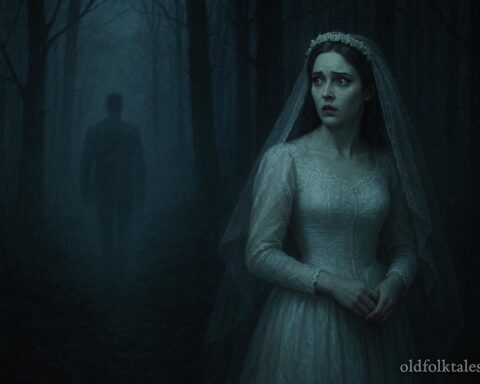
At first, people assumed it was a heavy storm or a passing eclipse. Lamps were lit, fires were kindled, and daily routines slowed in confusion. Hours passed, then more hours, and the darkness remained. Windows showed nothing but black, and even the familiar sounds of birds and livestock seemed muted, as if the world itself were holding its breath.
Rumors spread quickly. Some claimed that the night was enchanted, a punishment for a forgotten wrongdoing. Others whispered that spirits had stretched the night deliberately, to remind humans of their smallness in the face of nature’s mysteries. Children huddled close to parents, asking when the sun would rise, and adults exchanged anxious glances, unsure how long this endless darkness might last.
People tried to continue life as normal. Work in the fields halted, markets closed, and travel ceased. Travelers were stranded on roads with only lanterns to guide them, and even seasoned hunters found themselves disoriented. The town seemed suspended in a space between reality and imagination, where ordinary rules of time no longer applied.
Step into America’s cultural roots — from folk healing and weather lore to seasonal celebrations.
As the night persisted, the villagers began noticing changes. Animals grew restless, their movements becoming erratic in the absence of light. The air felt heavier, colder, and shadows seemed to stretch unnaturally, bending around objects and creating shapes that were impossible to place. Fear gnawed at the edges of courage, and stories of people wandering into the darkness never to return began circulating.
Some sought explanations through old traditions. Elders gathered in the town hall, recounting ancient tales of nights that had defied the sun in generations past. They spoke of the need for patience, communal care, and attentiveness to signs in nature. Rituals were performed with candles lined every street, bells rang at intervals, and prayers were whispered to encourage the return of daylight. Yet the darkness held, unmoved by human effort.
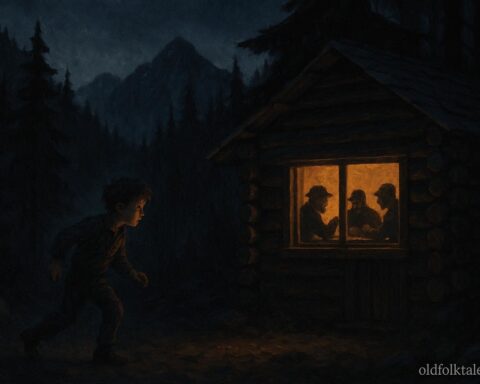
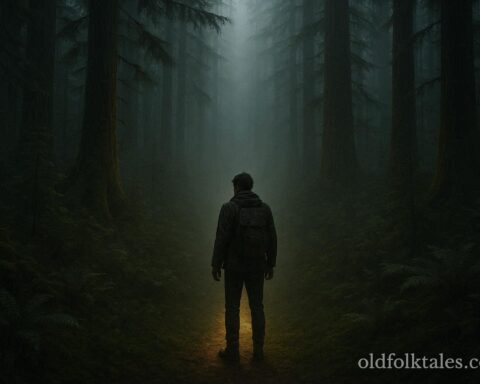
Amid the fear, a few brave souls ventured beyond the town limits, hoping to find the cause. They walked along the river, climbed hills, and entered the surrounding forests, listening for any hint of sunrise. Some reported strange phenomena about rivers that reflected nothing, trees that cast shadows with no source, and a strange stillness that made footsteps sound impossibly loud.
As the hours stretched into an unbroken night, people began to adapt. Tasks were done by touch and memory, conversations were held in whispers, and gatherings occurred by lantern and firelight. A sense of unity emerged, born from shared adversity. The townspeople learned to trust one another in ways that daylight had never demanded, finding strength in companionship as the dark hours dragged on.
Then, after what felt like days though no one could measure it, the first hint of light appeared. A faint glow on the horizon, subtle and unassuming, gradually intensified. Villagers watched with bated breath as shadows receded and colors returned to the landscape. The sun, long overdue, finally rose, bathing the town in warmth and brilliance. Relief swept through every home and field, and people marveled at the return of the familiar rhythm of day and night.
The experience left a lasting mark. Stories of the night that would not end were told for generations, a reminder that time can feel pliable, and that fear can teach resilience and cooperation. Children grew up hearing about the endurance of those who navigated the endless darkness, and adults reflected on the power of patience when faced with the unknown.
Though the night eventually ended, its memory lingered. The townspeople had learned that even when the world seems beyond human control, community, courage, and careful attention to one another can sustain life through uncertainty. And whenever clouds gathered for long nights or storms darkened the sky, people remembered that the sun would return, but only those who remained calm and vigilant could truly endure the darkness.
Explore the heart of America’s storytelling — from tall tales and tricksters to fireside family legends.
Moral Lesson
Patience, courage, and unity help people endure even the most uncertain and frightening situations.
Knowledge Check
- What unusual event occurred in the story?
A single night stretched endlessly, leaving the town in darkness. - How did the townspeople initially react to the endless night?
They were confused and fearful, lighting fires and trying to continue daily routines. - What strategies did villagers use to cope with the darkness?
They performed rituals, lit candles and lanterns, and relied on each other for guidance. - How did the night affect animals and the natural world?
Animals became restless, shadows behaved strangely, and the environment seemed altered. - What lesson did the townspeople learn from the experience?
That patience, courage, and community support are essential in facing uncertainty. - How did the night eventually end, and what was the reaction?
The sun finally rose, restoring light and normalcy, and people felt relief and gratitude.
Source
Adapted from materials preserved in University of Minnesota folklore archives
Cultural Origin
Frontier American folklore