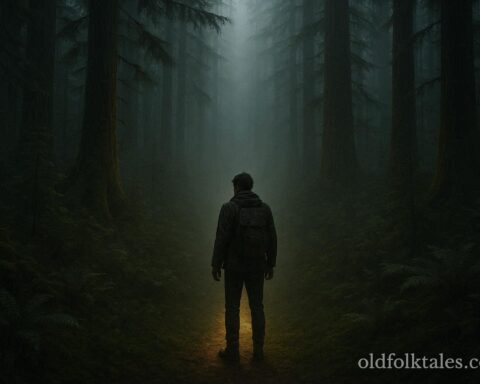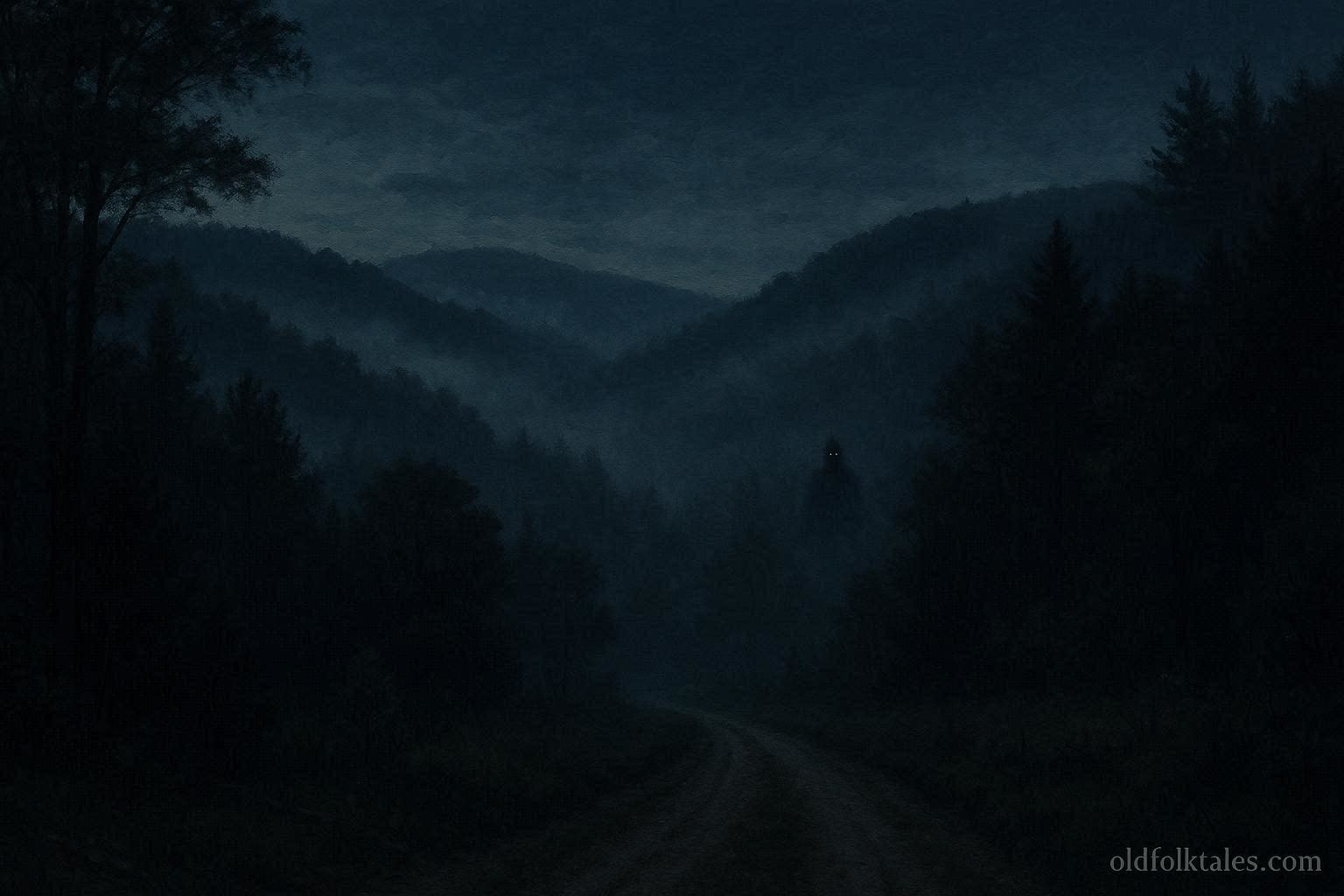
The Ozark Plateau stretches across southern Missouri and northern Arkansas, its terrain carved by hills, ridges, and narrow valleys. Forests cover much of the land, dark and dense, leaving pockets of shadow even in daylight. At night, the valleys seem to amplify every sound. A branch snapping, a distant owl, or the faint rustle of leaves carries unnervingly far. It is in this world of echo and shadow that the Ozark Night Howler makes itself known.
Locals have passed down stories of strange howls for generations. The noises are unlike those of any known animal. Long, mournful wails echo through the valleys. Sometimes they are high-pitched cries. Sometimes guttural, almost humanlike. The sounds can startle night travelers and hunters alike. Many say the noises appear to move across the hills, following them along rural roads and forest paths.
Those who hear the howls often describe them as unidentifiable. Some say it sounds like a wolf. Others compare it to a coyote. A few insist it is something entirely unnatural, a sound that resonates with human fear more than any actual creature. Despite the differences in description, there is a consistency in the legend. The creature is always unseen. Its voice carries, but its form never fully appears.
Explore the heart of America’s storytelling — from tall tales and tricksters to fireside family legends.
Hunters and campers are among the most frequent witnesses. A group may sit around a campfire when the first cry cuts through the night. The forest falls silent afterward, leaving a sense of being watched. The sound may return minutes later, closer or farther away, but always echoing through the valleys. Those present often leave quietly, respecting the unseen presence rather than challenging it.
Rural roads are another common location for encounters. Drivers along backroads report hearing long howls from the woods bordering their route. Some say the noises follow their car for miles, stopping only when the vehicle turns onto another road. The sensation is unsettling, even when no figure is visible. Witnesses speak of headlights scanning empty tree lines and fields, only to see stillness and shadow.
Folklorists studying the Ozark Night Howler emphasize that it is primarily a vocal cryptid. Unlike other monsters in folklore, it is known more for what it sounds like than what it looks like. Its absence of physical evidence does not lessen the story’s impact. In fact, it enhances the mystery. The creature is defined by what is heard, not by what is captured or seen.
The legend has persisted for decades. Missouri State University’s folklore archives include accounts from rural residents spanning the twentieth century. People who grew up hearing stories from parents and neighbors continue to report the same patterns of howls. The consistency suggests the tale is embedded deeply in regional culture rather than being a series of isolated incidents.
Seasonal timing is important. Sightings and sounds occur most frequently during late spring and summer evenings. During these months, the forests are active, and nights are long. Travelers spend more time on the road at night, and hunters are often in the field at dusk. The timing may be practical, but it also reinforces the sense of the creature being tied to natural rhythms rather than random events.
Many people describe a feeling when the howls start. It is not necessarily fear of attack. Rather, it is a sense of being observed. The valley seems to pause. Leaves stop rustling. Even the sound of an engine or footsteps fades. For a moment, the human world seems to shrink, and the wild world expands. The creature’s voice reminds listeners that the forests have their own life and awareness.
Folklorists also note that the Night Howler may serve as a cautionary tale. In rural communities, stories of unknown creatures teach respect for the wilderness. They remind travelers not to venture alone, not to ignore the sounds of nature, and not to take the forest for granted. The legend functions as an oral guide, blending practical advice with the mystery of folklore.
Accounts vary in detail, but several elements remain constant. The sound is heard at night. It originates in forests or valleys. It does not accompany physical aggression. And it disappears as suddenly as it begins. These features distinguish the Ozark Night Howler from wolves, coyotes, or other common wildlife in the region.
Local storytellers often frame the Night Howler as part of community identity. People share tales at hunting lodges, summer camps, and family gatherings. It is a way to connect with the landscape and with ancestors who also knew these forests. The legend helps define what it means to live in the Ozarks, where valleys are deep, roads are quiet, and darkness is alive with sound.
Some researchers suggest a psychological component. Sound carries in valleys differently than on flat plains. Humans listening closely to forests at night may interpret ordinary noises as something sentient. Yet, even with this understanding, the Night Howler is treated respectfully. The story has become a part of the region’s cultural memory, bridging generations and blending experience with imagination.
The Ozark Night Howler continues to echo through forests and along rural roads. It persists because the terrain supports it, the culture preserves it, and human imagination listens for it. Whether the sounds have a physical source or exist as a shared story, they remain a central feature of Ozark folklore.
Click to read all American Cryptids & Monsters — creatures of mystery and fear said to inhabit America’s wild landscapes.
Moral lesson
The wilderness is not merely a backdrop for human activity. It is alive with mysteries that teach caution, respect, and humility.
Knowledge Check
1. Where is the Ozark Night Howler most often heard?
Across valleys and forests of the Ozark Plateau.
2. How are its sounds described?
Long howls, guttural snarls, and high-pitched cries unlike any known animal.
3. Is the creature known to attack humans?
No, it is primarily a vocal presence that inspires awe and caution.
4. During which seasons do sightings occur most often?
Late spring and summer evenings.
5. What purpose does the legend serve in rural communities?
It teaches respect for the wilderness and awareness when traveling alone.
6. Why does the Night Howler remain a part of Ozark folklore?
Because the forests and valleys support the legend, and the stories have been preserved through generations.
Source
Adapted from Missouri State University Ozark folklore studies and regional oral tradition documentation.
Cultural Origin
Ozark Plateau communities of Missouri and Arkansas.