In the years before the American Revolutionary War, the city of Boston was filled with growing tension. British authorities attempted to enforce new taxes and strict laws on the American colonies, while many colonists began to organize resistance against what they believed was unfair rule. In the center of these rising political emotions stood a large elm tree that would become one of the most powerful symbols of colonial protest. This tree became known as the Liberty Tree.
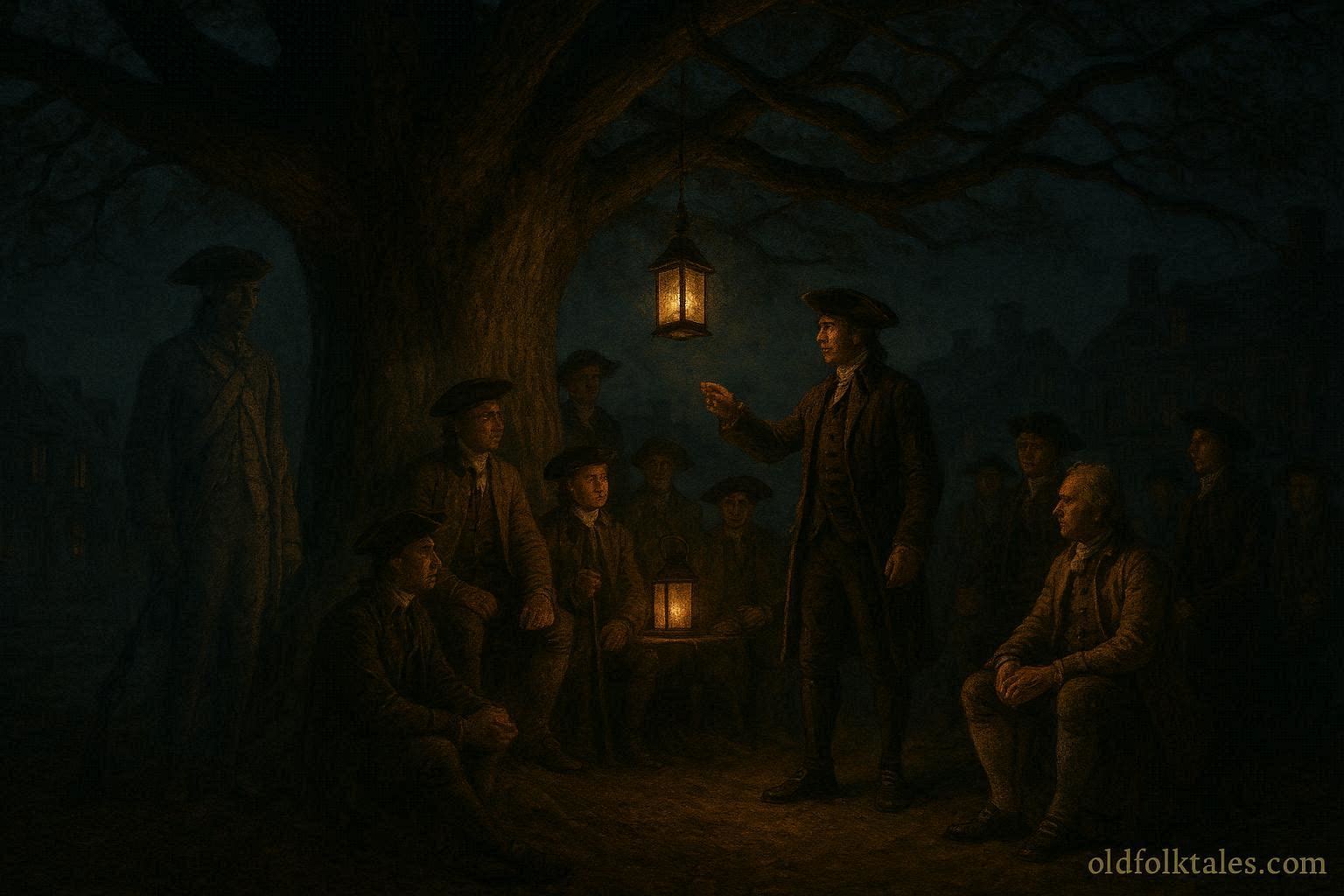
The Liberty Tree stood along Essex Street in Boston and quickly became a gathering place for colonists who opposed British policies. Patriots met beneath its branches to discuss their ideas, protest new taxes, and plan acts of resistance. Public speeches, demonstrations, and even symbolic protests often took place around the tree. For many colonists, the Liberty Tree represented freedom, unity, and the growing desire for independence.
Because of its symbolic importance, the Liberty Tree also became a target for British officials and loyalists who opposed the protests. Tensions around the tree grew stronger each year as the colonies moved closer to open rebellion. The gatherings beneath its branches were watched closely by soldiers, and arguments between patriots and loyalists sometimes broke out nearby.
Discover chilling ghost tales and haunted places that echo through America’s towns and countryside.
Among the many people who visited the Liberty Tree during these turbulent years were young men preparing to defend the colonies. Some of them would later become soldiers in the Revolutionary War. According to local folklore, one such soldier developed a deep connection to the Liberty Tree and the ideals it represented.
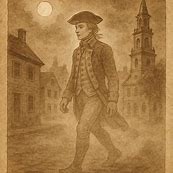
The legend tells of a young colonial soldier who often visited the tree before leaving Boston to join the fight for independence. He believed that the tree represented the spirit of liberty itself. Standing beneath its wide branches, he promised that he would defend the colonies and protect the freedoms the patriots hoped to secure.
When the Revolutionary War finally began in 1775, many Boston residents joined the colonial forces. The young soldier left the city with other volunteers who hoped to defend their homeland against British rule. Like thousands of others, he entered the conflict with courage but also with the understanding that war carried great danger.
According to the legend, the soldier never returned home.
Stories passed down through Boston families claimed that he was killed during one of the early battles of the Revolutionary War. Although the exact location of his death was never clearly recorded, the people who remembered him believed that he had died bravely while defending the cause of independence.
After the war began, Boston remained a tense and uncertain place. British troops occupied the city for several years, and many colonists feared punishment for their support of the patriot movement. During this time, some residents claimed to experience unusual events near the Liberty Tree.
The first reports came from individuals who passed by the tree late at night. Several witnesses claimed they felt as though someone was watching over the area. Others described hearing faint footsteps beneath the branches even when no one was visible nearby.
One particularly detailed story came from a night watchman who was responsible for patrolling the streets of Boston after dark. While walking near the Liberty Tree, the watchman noticed what appeared to be a man standing quietly beside the trunk. At first he assumed the figure was simply another guard or passerby.
When the watchman approached, however, the figure seemed strangely still and silent. According to the story, the watchman called out a greeting but received no reply. Moments later the figure faded into the shadows beneath the tree and disappeared completely.
The watchman later told others that he believed the figure had been the spirit of a fallen soldier watching over the Liberty Tree.
As more people shared similar stories, the legend began to grow. Residents of Boston started to believe that the spirit of a patriot soldier guarded the tree to protect the ideals it represented. According to local tradition, the soldier had kept the promise he made before leaving for war. Even after death, his spirit continued to stand watch over the symbol of colonial freedom.
The Liberty Tree itself remained an important landmark during the early years of the American Revolution. Colonists continued to gather near the area, sharing news and strengthening their commitment to independence. The story of the ghostly guardian became part of the larger tradition surrounding the tree.
In 1775, British loyalists eventually cut down the Liberty Tree in an attempt to destroy the powerful symbol of colonial resistance. The act angered many patriots, who saw the destruction of the tree as an attack on the ideals of liberty and self government.
Despite the loss of the physical tree, its symbolic power did not disappear. The legend of the soldier who guarded the Liberty Tree helped keep the memory of the site alive. Patriots continued to speak about the tree and the sacrifices made by those who fought for independence.
As the Revolutionary War progressed and the colonies eventually gained their independence, stories about the Liberty Tree became an important part of American folklore. The idea that a fallen soldier’s spirit remained behind to guard the symbol of freedom captured the imagination of later generations.
Historians studying the legend believe that the story reflects the deep emotional connection people felt toward the Liberty Tree during the revolutionary period. The tree represented hope, unity, and the courage required to challenge powerful authority. Linking the symbol to a guardian spirit allowed people to express their respect for the sacrifices made during the struggle for independence.
The legend also demonstrates how historic places often become surrounded by stories that blend fact and imagination. While the Liberty Tree itself was very real and played an important role in colonial protests, the story of the spirit guardian likely grew through repeated storytelling over many years.
Even today, the memory of the Liberty Tree remains a powerful part of American history. Although the original tree no longer stands, monuments and historical markers remind visitors of its importance in the early fight for independence.
The story of the soldier who guarded the Liberty Tree continues to symbolize dedication, sacrifice, and loyalty to the ideals of freedom. Whether viewed as a ghostly legend or a metaphor for patriotic memory, the tale reminds people that the struggle for liberty was carried forward by individuals who believed deeply in the cause they served.
In the quiet streets of modern Boston, where busy city life has replaced the colonial town of the eighteenth century, the legend still echoes in historical storytelling. Visitors learning about the Liberty Tree often hear the tale of the silent soldier who remained behind, watching over the place where the dream of independence once gathered beneath spreading branches.
Explore how American legends shaped the nation — from frontier heroes to Revolutionary War tales.
Moral Lesson
Symbols of freedom are often protected by the courage and sacrifice of those who believe in them. Remembering the dedication of past generations helps preserve the values they fought to defend.
Knowledge Check
- What was the Liberty Tree in colonial Boston?
It was a large elm tree where colonists gathered to protest British policies. - Why was the Liberty Tree important to the patriots?
It symbolized freedom, unity, and resistance to unfair taxation. - What happened to the young soldier in the legend?
He reportedly died while fighting during the Revolutionary War. - What unusual experiences did people report near the Liberty Tree?
Some claimed to see or sense a mysterious figure guarding the tree at night. - What happened to the Liberty Tree during the Revolutionary period?
British loyalists cut it down in 1775. - What does the legend of the guardian soldier represent?
It represents sacrifice, patriotism, and protection of the ideals of freedom.
Source
Adapted from materials preserved in the Boston Public Library Historical Collections
Cultural Origin
Boston Revolutionary War folklore