Durand Eastman Park in Rochester, New York, is a picturesque location known for its lakes, trails, and wooded areas, offering a peaceful retreat from city life. Amid its natural beauty, however, stories persist of a spectral figure known as the White Lady, a grieving woman said to wander the park at night in search of her lost daughter. Her presence has been reported for decades, and she has become a central figure in local ghost lore, drawing both fascination and caution from visitors.
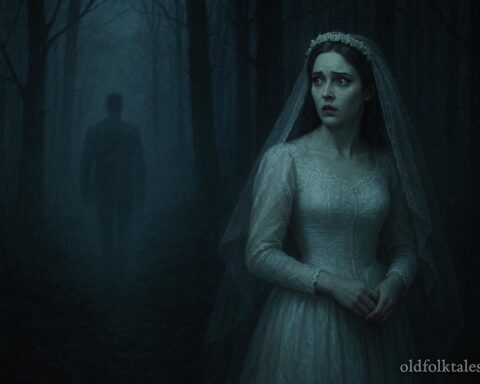
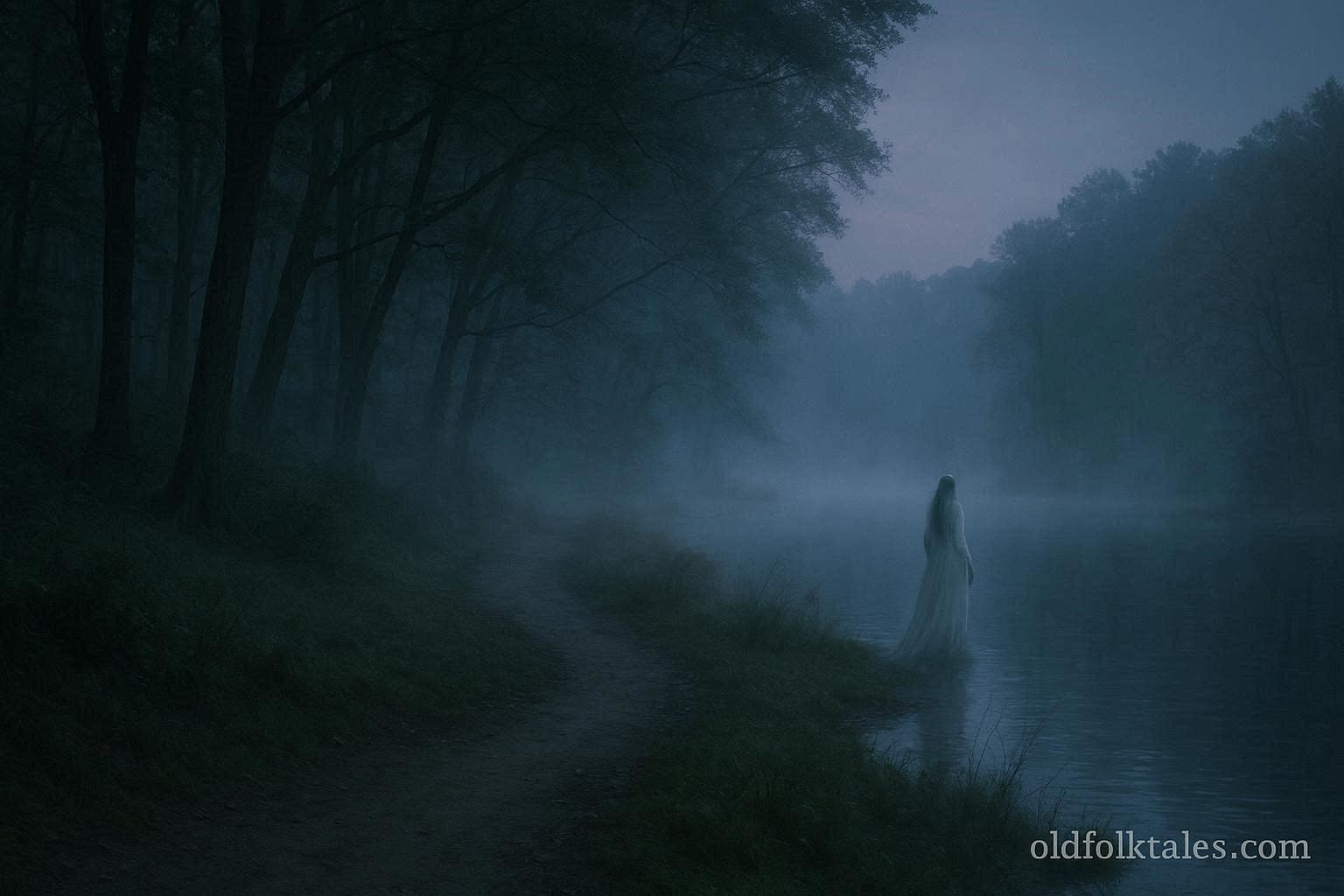
Accounts describe the White Lady as wearing a flowing white gown, her features obscured by long hair or a veil, often appearing near the edges of wooded paths or by the shoreline of the park’s lake. Witnesses frequently report a feeling of sorrow or unease when encountering her, as if the air itself is heavy with grief. Some claim to have heard soft weeping or the rustle of fabric, while others see her standing silently, staring across the water as though waiting for someone who will never return.
One of the earliest stories comes from a group of teenagers camping near the lake in the mid-20th century. As night fell, they reported seeing a woman in white gliding between trees, her presence accompanied by a cold draft that seemed to follow her movements. One of the teens, drawn by curiosity, approached, but the figure vanished into the mist before they could reach her. The group later recounted that they felt an overwhelming sadness lingering in the area, a sensation that haunted them long after they left the park.
Explore the heart of America’s storytelling — from tall tales and tricksters to fireside family legends.
Local historians suggest that the legend may be rooted in tragic events from the late 19th or early 20th century. Stories speak of a mother who lost her daughter to illness or an accident near the park, unable to find peace afterward. Some versions suggest she drowned herself in the lake from despair, while others claim she simply wandered the park in mourning until her death. Over time, these accounts merged into a single legend of a woman eternally searching for her child, her sorrow manifesting in ghostly form.
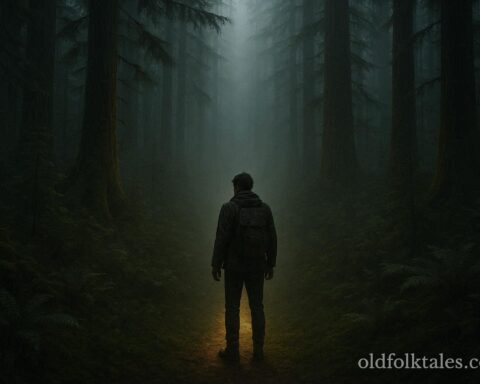
Visitors and joggers occasionally report seeing fleeting glimpses of her in foggy conditions or during twilight hours. The White Lady is sometimes associated with warnings; park-goers say that approaching her too closely or mocking the spirit can result in minor misfortune, such as sprained ankles, lost items, or a sudden chill. Others interpret her presence as a reminder of empathy and compassion, prompting reflection on the power of grief and the endurance of parental love.
Paranormal investigators have explored the park over the years, using infrared cameras, audio recorders, and night-vision equipment. Some have captured unexplained shadows or low-frequency sounds consistent with reports of soft sobbing. Skeptics attribute the sightings to optical illusions, the play of fog and moonlight, or imagination influenced by local stories. Yet the persistence of firsthand accounts across decades suggests that the legend maintains a strong hold on community memory and folklore.
The White Lady of Durand Eastman Park has also entered local culture in subtle ways. Artists, writers, and storytellers incorporate her image into depictions of the park’s history, while walking tours highlight the legend as part of Rochester’s rich tapestry of ghost stories. Schoolchildren and residents share the tale, keeping it alive as a moral lesson about loss, respect, and the lingering impact of tragedy. The story emphasizes the idea that emotional energy, especially intense grief, can leave an imprint on the world, echoing across time and space in subtle, unexplained ways.
The legend also serves as a cautionary tale for those who visit the park after dark. Families and couples often warn each other to respect the wooded areas and remain mindful of the park’s history, blending safety with acknowledgment of the supernatural. For many, the White Lady is not a figure of terror but of solemnity, representing the universality of loss and the enduring bonds between parent and child.
Over time, the White Lady has become a symbol of both mystery and maternal devotion. While the specifics of her story may vary, the core image, a grieving mother wandering endlessly in search of her daughter resonates with the human experience of loss, remembrance, and love that transcends life and death. Her legend reminds visitors of the emotional weight carried by places and the ways in which stories preserve memory, identity, and community history.
The White Lady of Durand Eastman Park exemplifies how ghost stories operate as cultural memory. She connects the living with the past, weaving together historical tragedy, personal emotion, and the natural environment into a narrative that continues to shape the way people experience the park. The tale encourages reflection, respect, and a deeper awareness of the spaces we inhabit, blending folklore, emotion, and history into a story that endures.
Click to explore all American Ghost Stories — haunting legends of spirits, lost souls, and mysterious places across the U.S.
Moral Lesson
The legend teaches the importance of empathy, respect for grief, and acknowledgment of the emotional histories embedded in the places around us. It reminds us that love and loss leave lasting impressions that shape our communities and collective memory.
Knowledge Check
- Who is the White Lady said to be searching for?
Her lost daughter. - Where in the park is she most often seen?
Along wooded paths and near the lake shoreline. - What sensations do witnesses commonly report when encountering her?
A feeling of sorrow, a sudden chill, or soft weeping. - What historical events might have inspired the legend?
The death or loss of a child and the mother’s subsequent grief. - How do locals and visitors interpret the White Lady’s presence?
As a reminder of empathy, grief, and parental devotion. - What broader cultural or moral significance does the legend hold?
It illustrates the enduring impact of loss and the importance of respect for emotional history.
Source
Adapted from materials preserved in the Rochester Public Library Local History Division
Cultural Origin
New York regional folklore