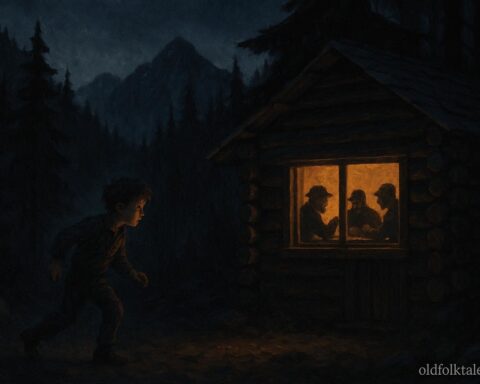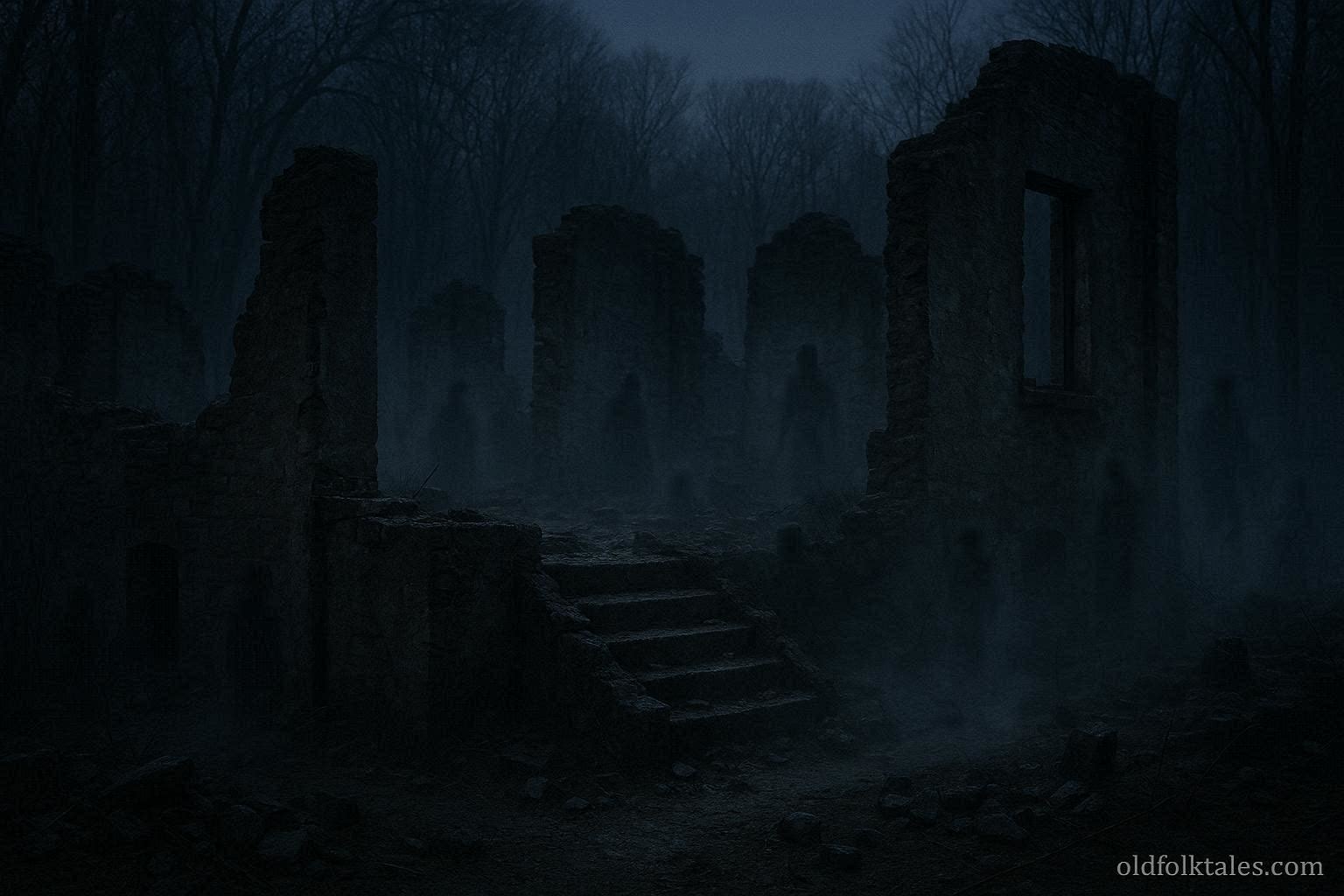
The ruins of the Gore Orphanage in Vermilion, Ohio, stand as silent witnesses to a history marked by tragedy and loss. During the day, the skeletal remains of the building are mostly ignored by passersby, but after sunset, the area becomes a place of stories, fear, and fascination. Teens, locals, and paranormal investigators alike have reported hearing cries echoing across the empty lot, and some claim to glimpse shadowy figures moving among the broken walls.
Accounts often begin with strange auditory phenomena. Visitors describe the sound of children laughing, crying, or calling out, even when no one else is nearby. The cries are sometimes fleeting, barely audible over the wind, and sometimes starkly clear, sending chills down the spine. Witnesses consistently note that the sounds seem to carry the emotional weight of suffering and loss, resonating as if memories of the children remain embedded in the ruins.
Visual sightings accompany the auditory experiences. Shadows dart across shattered windows, vague human-shaped figures appear among the debris, and at times, a faint glow is observed near stairwells and collapsed walls. Paranormal investigators equipped with night-vision cameras or audio recorders report unexplained movement, temperature drops, and electronic interference, reinforcing the perception that some presence lingers long after the building’s active years.
Explore ancient Native American creation myths and the symbolic tales that shaped America’s belief systems.
Historical accounts suggest that Gore Orphanage housed children during the late 19th and early 20th centuries. While records are incomplete, it is known that fires, disease, and poor living conditions led to the suffering and untimely deaths of many residents. Oral tradition and local folklore further tell of accidents and neglect, compounding the sense that spirits may not have found rest. Over time, the abandoned building fell into ruin, leaving only foundations, remnants of walls, and scattered debris.
Visitors often speak of the emotional impact of the site. Many feel a heavy atmosphere, a sense of sadness that lingers long after leaving. Some describe feeling watched, as if unseen eyes track their movements, while others report an impulse to whisper or tread lightly, respecting the invisible presence. The combination of architectural decay and lingering emotional energy contributes to the haunted reputation that has persisted for decades.
One of the most common reported phenomena is the sudden appearance of fleeting apparitions. Children are often described as partially visible, sometimes as small shadowy forms darting across a hall or peering from behind broken structures. These manifestations are rarely aggressive; instead, they convey a mixture of curiosity, sorrow, and longing, as if the spirits are bound to the place where their lives were abruptly ended.
Researchers and folklorists studying Gore Orphanage note that ruins, especially those associated with sudden death or trauma, often develop layered narratives. In the case of Gore, the physical collapse of the building mirrors the collapse of lives once housed within it. Visitors’ experiences auditory, visual, and emotional may be interpreted as echoes of historical events, remembered and partially replayed in the environment itself.
Despite the fear inspired by the site, many accounts emphasize the importance of respect. Those who approach quietly, acknowledge the history, or refrain from mocking or vandalizing the ruins report fewer unsettling experiences. Some local youth even leave small offerings, like flowers or notes, as gestures of acknowledgment and remembrance, an informal ritual that honors the children’s memory and tempers the unsettling energy that pervades the area.
The phenomenon at Gore Orphanage also extends to electronic recordings. Paranormal investigators report capturing inexplicable audio children’s voices, faint sobs, or murmurs and occasional cold spots in areas that are otherwise sunlit during the day. These experiences have made the site a point of fascination not only for thrill-seekers but also for those interested in the intersection of history, memory, and unexplained phenomena.
The legend of the orphanage teaches that tragedies leave enduring traces. The ruins are more than crumbling bricks and shattered windows; they are repositories of memory, emotion, and spectral narrative. The children’s cries, the fleeting figures, and the heavy atmosphere all suggest that places shaped by intense human suffering can retain a residual presence, bridging the gap between past and present, life and death.
Over the years, Gore Orphanage has become a site of caution and reverence. Locals pass down stories of encounters, warnings, and unexplained phenomena to younger generations, ensuring that the memory of the children and the haunting persists. In this way, the ruins serve both as a historical marker and a living legend, blending fact, folklore, and the uncanny.
The ghostly presence at Gore Orphanage is not merely a tale of fright. It is a reminder of compassion and remembrance, emphasizing the importance of acknowledging tragedies rather than ignoring them. Visitors who show care and mindfulness often report calmer experiences, suggesting that respect for history and the departed can foster a bridge between the living and the spirits lingering in the ruins.
Discover chilling ghost tales and haunted places that echo through America’s towns and countryside.
Moral Lesson
Unresolved suffering leaves traces that endure across time. By acknowledging history and treating sites of tragedy with care, we honor the memories of those lost and cultivate empathy and respect for the past.
Knowledge Check
- Where is the ghostly activity of Gore Orphanage most reported?
Answer: Among the ruins, including collapsed walls, stairwells, and debris-strewn areas. - What types of sounds do visitors hear?
Answer: Children laughing, crying, or calling out; faint whispers and sobs. - Are the apparitions aggressive?
Answer: No, they are generally sorrowful or curious, not threatening. - What historical events contribute to the haunting legend?
Answer: Fires, disease, neglect, and deaths of children housed in the orphanage. - How do respectful visitors interact with the site?
Answer: They move quietly, leave tokens of remembrance, and acknowledge the children’s presence. - What broader lesson does the legend convey?
Answer: That past tragedies leave enduring traces and should be remembered with care and empathy.
Source
Adapted from local legends of Gore Orphanage and folklore archives.
Cultural Origin
Vermilion, Ohio