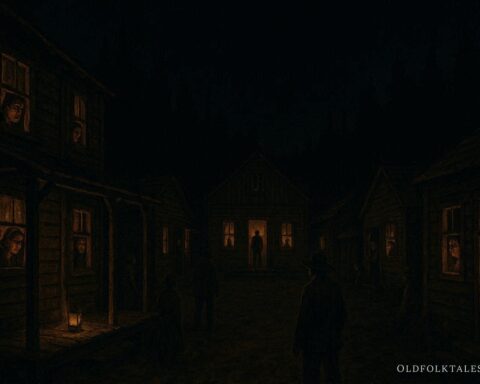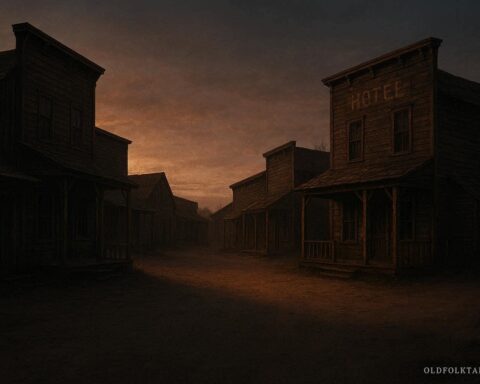
In the desert town of Tombstone, Arizona, stories have always traveled faster than stagecoaches. Dust swirled through its streets in the late nineteenth century, clinging to boots and newspaper pages alike. Miners, gamblers, lawmen, and outlaws filled the town with noise and rumor. And in the center of it all stood the office of The Tombstone Epitaph, the newspaper that recorded the triumphs and tragedies of the Wild West.
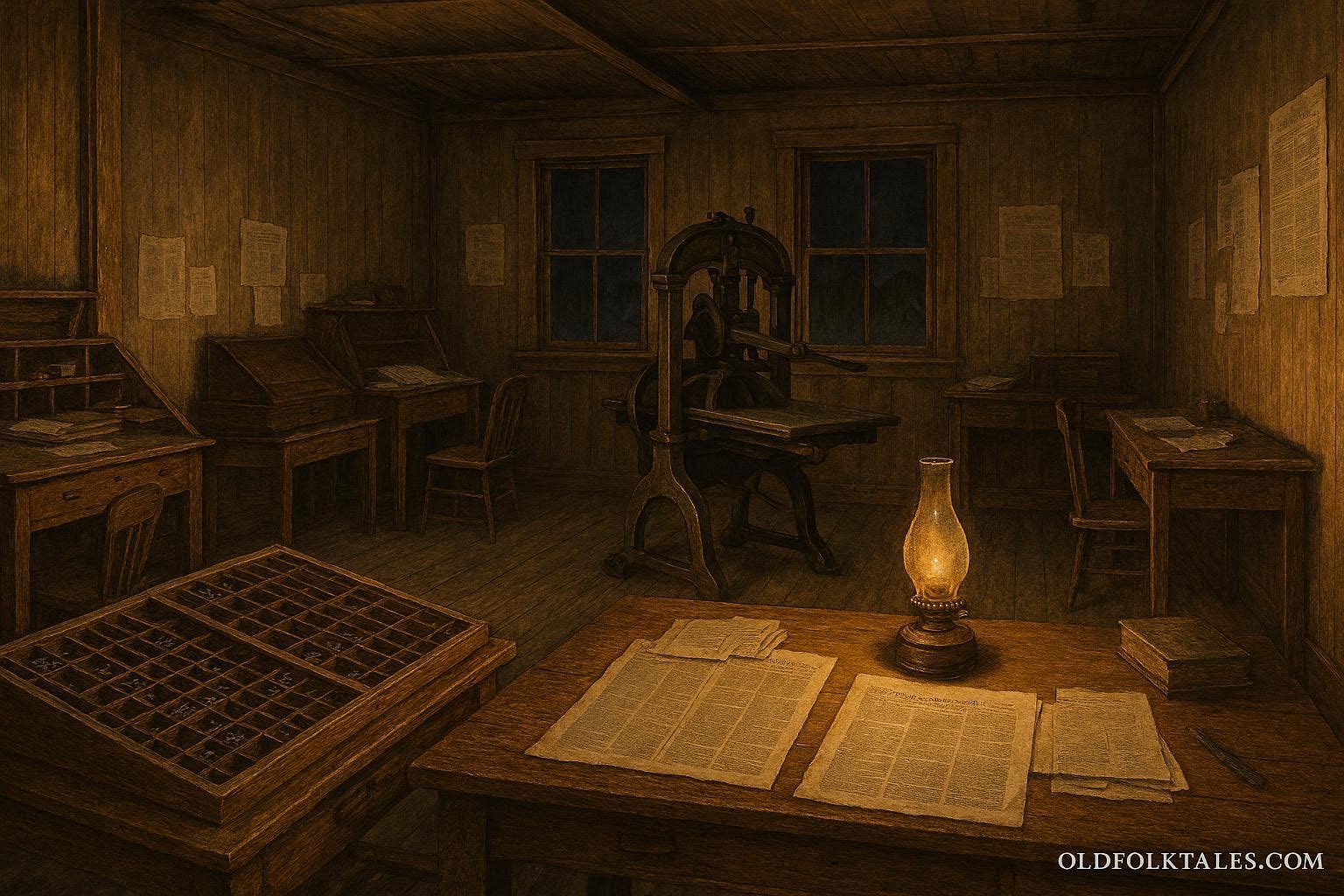
The Epitaph was more than printed paper. It was the voice of the frontier. It reported mining strikes, saloon fights, land disputes, and courtroom verdicts. Every night, long after most of the town had gone to sleep, the printing press clattered and groaned as editors prepared the next day’s edition.
That was when the strange events began.
According to local legend, printers working late shifts started noticing odd lines of text appearing in their drafts. These were not typographical errors or smudges of ink. They were full sentences, carefully formed, often poetic in tone.
At first, the staff assumed someone had slipped additional lines into the typesetting trays as a joke. The newspaper office was busy, and pranks were not uncommon among weary workers. But the mystery deepened when the messages began appearing in locked rooms.
Encounter the strange and the unseen — from Bigfoot to regional monsters hiding in America’s forests.
One apprentice printer named Caleb Morton reportedly experienced the phenomenon firsthand. He had been tasked with organizing metal type letters after midnight. The oil lamps flickered, casting long shadows across the walls. The rest of the staff had left, and silence filled the room except for the ticking of a clock.
Caleb insisted that he double checked the layout of a nearly finished column before stepping away briefly to fetch more ink. When he returned, a new line had appeared at the bottom of the page.
It read, The desert remembers what men forget.
The sentence was not part of any article scheduled for publication. It was not signed. It carried no explanation.
Caleb felt a chill despite the desert heat that lingered even after sunset. He searched the office, certain that someone must be hiding among the shelves or beneath the printing tables. He found no one.
The editor dismissed the incident as fatigue. Frontier journalism required long hours, and exhaustion could distort perception. Still, Caleb swore the message had not been there before.
Within weeks, other workers reported similar occurrences. Lines of text appeared in drafts about local events. Sometimes they were philosophical reflections. Sometimes they hinted at secrets.
One message reportedly surfaced in the margins of a mining report. It read, Gold shines brightest over buried truth.
Another appeared within an obituary column, stating simply, Not all stories are finished in print.
None of these lines were ever intentionally published. Each time they were discovered, they were quietly removed before printing. Yet the pattern continued.
Rumors spread quickly through Tombstone. Some believed the office was haunted by the spirit of a former journalist who had died suddenly. Others speculated that a rival newspaper employee was sneaking inside at night to frighten the staff.
The legend grew more dramatic when a story emerged connecting the mysterious messages to unsolved events in town history. According to folklore, one message appeared referencing a disputed gunfight that had divided public opinion. The line allegedly suggested that an innocent man’s story had never been fully told.
Whether true or exaggerated, the idea captured imaginations.
Tombstone was no stranger to violence and secrecy. In a town where fortunes rose and fell quickly, and where law enforcement often struggled to maintain order, hidden truths were not hard to imagine. The Ghost Writer legend seemed to embody the belief that the past could not be fully buried.
Skeptics argue that practical explanations are more likely. Typesetting in the nineteenth century required arranging individual metal letters by hand. Mistakes could occur easily. Loose type pieces might fall into place unexpectedly. A worker with a dramatic sense of humor could have staged the incidents.
There is also the possibility of collective storytelling. In a frontier town where entertainment was scarce and danger was real, tales of mystery added excitement to daily life. The image of a ghostly editor adding poetic lines to unfinished articles fit perfectly within the dramatic atmosphere of the Wild West.
Still, the legend endures.
Visitors to Tombstone today often hear about its famous gunfights and historic streets. Some also hear whispers of the newspaper office where ink once seemed to move on its own. Though there is no verified evidence of supernatural writing, the story remains part of the town’s folklore.
What makes the legend compelling is its symbolism. Newspapers represent truth, record, and memory. A ghostly writer altering stories suggests that history itself may be incomplete. It reflects a frontier reality where events were chaotic and perspectives differed sharply.
The desert surrounding Tombstone adds to the mood. At night, the air cools quickly, and the sky stretches wide and silent above the town. Buildings that once echoed with arguments and ambition now stand as preserved reminders of another era. It is easy to imagine footsteps in empty corridors or the faint scrape of metal type shifting on a table.
The Tombstone Epitaph still exists today as a historic publication. Whether or not mysterious messages ever truly appeared, the legend has become part of its narrative. It speaks to the power of words and the idea that stories outlive their writers.
In frontier communities, newspapers shaped reputations and preserved memory. The thought of an unseen hand revising those records taps into deeper questions about truth and legacy.
Perhaps the Ghost Writer was never a spirit at all. Perhaps it was the collective conscience of a town wrestling with its own identity. Or perhaps, on certain quiet nights long ago, ink formed letters that no living person arranged.
The presses have long since modernized. Electric lights replaced oil lamps. Yet the image remains vivid. A lone printer pausing mid task, noticing a line that was not there before. A sentence that feels intentional. A message that hints at unfinished business.
In Tombstone, where legends are as common as dust on boots, the story of the Ghost Writer continues to remind listeners that even printed words can carry mystery.
Click now to read all American Legends — heroic tales where truth and imagination meet, defining the American spirit.
Moral Lesson
History is shaped by those who record it. Legends remind us to question narratives and seek deeper understanding of the past.
Knowledge Check
- Where did the Ghost Writer legend take place?
In Tombstone, Arizona. - What type of business experienced the strange events?
A newspaper office called The Tombstone Epitaph. - What reportedly appeared mysteriously at night?
Unexplained written messages in drafts. - Were the messages ever officially published?
No. They were removed before printing. - What does the legend symbolize?
Questions about truth, memory, and unfinished stories. - Why does the story remain popular?
Because it reflects the dramatic history of the frontier.
Source
Adapted from Arizona Historical Society Archives
Cultural Origin
Tombstone, Arizona