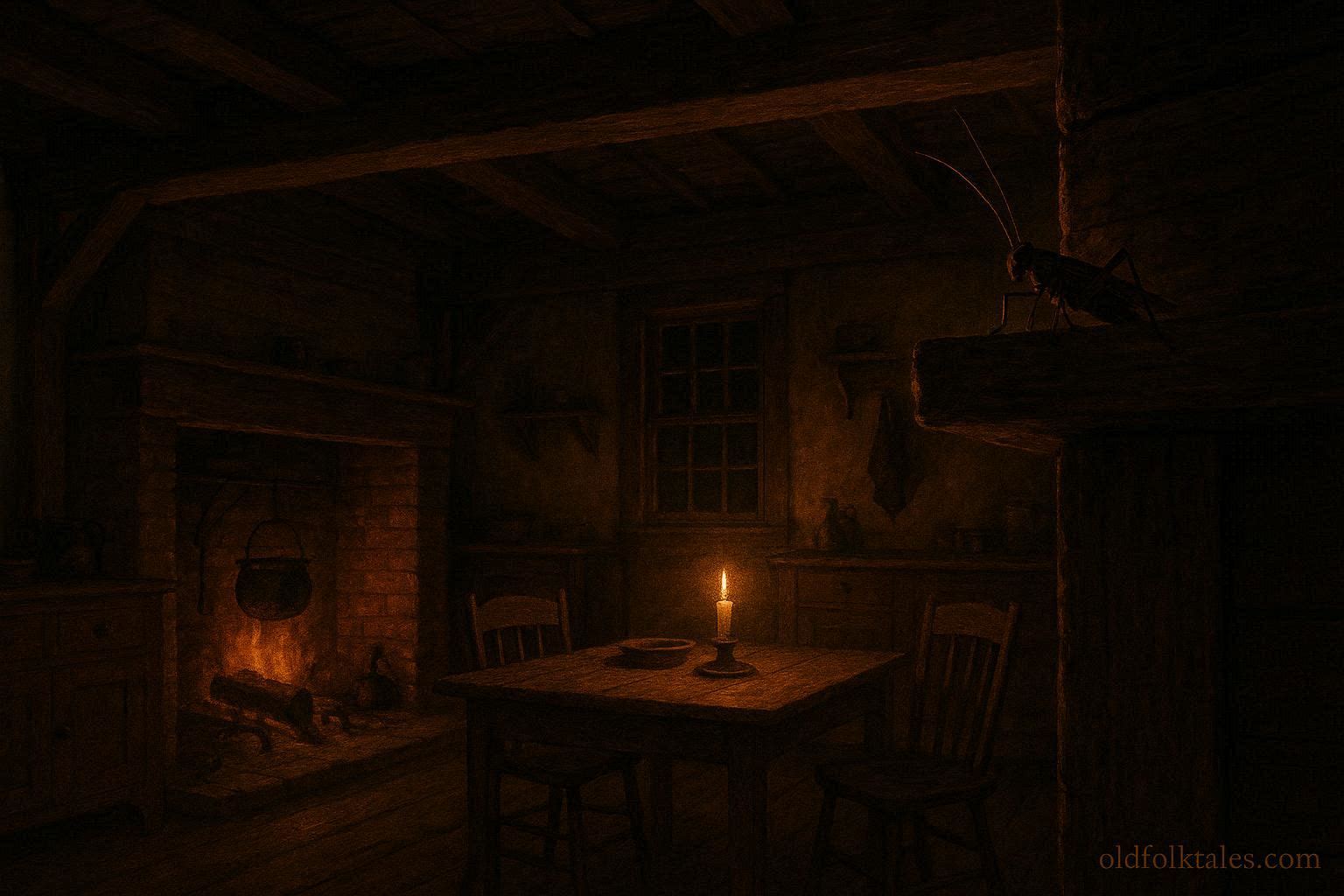
In 19th-century America, life in many homes was closely intertwined with nature. Families lived in wooden houses heated by fireplaces, and the sounds of the surrounding countryside were ever-present. Among these sounds, the chirping of crickets held a special place in folk belief. Many households regarded a cricket that lived within the home not as an ordinary insect, but as a harbinger of good fortune, prosperity, and protection.
The superstition surrounding crickets originated from European settlers, particularly from British and German traditions, who brought stories of household spirits and luck symbols with them to the New World. In America, these beliefs evolved to fit the rhythms and challenges of frontier and rural life. A cricket inside the home was seen as a sign that the household was under the watchful care of unseen benevolent forces. Its cheerful chirping was interpreted as a reminder that life and prosperity were thriving within the walls of the home.
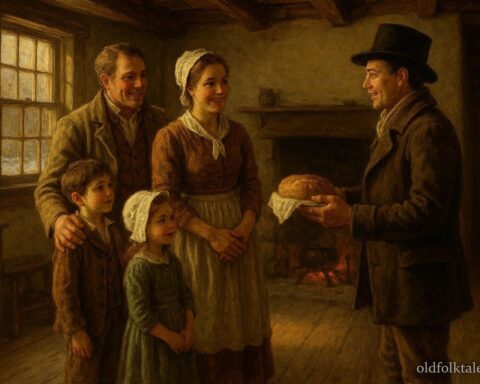
One story from a farmhouse in rural Pennsylvania illustrates the superstition in action. A young family had just moved into a modest log cabin, and they noticed a small cricket inhabiting the kitchen. Rather than seeking to remove it, the mother carefully placed a dish of sugar nearby and avoided disturbing its quiet corner. Over the following months, the family experienced good health, a bountiful harvest, and overall well-being. Visitors and neighbors who heard the story remarked on the family’s luck, attributing it to the presence of the cricket as a domestic guardian.
Discover chilling ghost tales and haunted places that echo through America’s towns and countryside.
Crickets were believed to do more than just bring prosperity; they were thought to offer protection as well. Families held that harming or driving away the cricket could bring misfortune, while feeding or nurturing it could enhance its protective powers. Some households even created small shelters for crickets, similar to birdhouses, or placed them in a safe area of the kitchen, ensuring the cricket could chirp freely. The insect was perceived as both a symbol of life and an active participant in the household’s spiritual balance.
Beyond material fortune, the chirping of the cricket was associated with joy, harmony, and emotional well-being. Families reported that a home with a cricket felt livelier, warmer, and more welcoming. Children were taught to listen respectfully to the cricket’s song, reinforcing attentiveness to natural signs and cultivating a sense of wonder at the interconnectedness of living creatures and human life. The cricket became a subtle teacher of patience, care, and observation, qualities that were highly valued in agrarian communities.
Anthropologists and folklorists studying American superstitions note that the cricket superstition reflects a broader pattern of animistic beliefs, where animals and insects are seen as carriers of fortune, omens, or spiritual guardians. These beliefs encouraged people to treat creatures with respect and to notice the small details of everyday life. In the case of the cricket, its presence reinforced the idea that prosperity was not merely the result of human effort but was intertwined with the natural and spiritual world.
One memorable account comes from a Massachusetts coastal town. A widow living alone noticed a cricket in her parlor and initially dismissed it as a minor inconvenience. Soon after, she observed that neighbors who came to visit noted her home felt comfortable and welcoming. She began leaving small crumbs for the cricket and speaking softly to it as if it were a guest. Throughout the winter, she found that her home remained peaceful and her personal health stable. The cricket became a companion, and the superstition transformed into a meaningful practice of mindfulness, gratitude, and daily care.
The superstition also extended to symbolic interpretation. A cricket jumping near the fireplace might indicate warmth and comfort, while a cricket chirping near the doorway could symbolize incoming guests or opportunities. The number of chirps or the time of day was sometimes noted and interpreted, though local variations differed widely. These symbolic practices illustrate how folklore transformed ordinary observations into a rich tapestry of cultural meaning, guiding household behavior and fostering attentive observation of the natural world.
Even with modernization, the superstition has echoes in contemporary American culture. Families still recount stories of crickets appearing at key moments or offering a comforting sound during quiet evenings. Gardeners, campers, and homeowners often regard the cricket as a symbol of luck, longevity, and harmony. While fewer people take the belief literally, it remains an enduring part of cultural memory, connecting modern households with the traditions and observations of previous generations.
Ultimately, the superstition of the cricket emphasizes mindfulness, respect for life, and attentiveness to the small blessings that surround daily existence. It teaches that prosperity and protection are not solely determined by wealth or human effort but can emerge from the quiet, often unnoticed interactions between humans and the natural world. A small chirping insect becomes a powerful symbol of abundance, security, and joy, reminding families that good fortune is nurtured through care, attention, and harmony with one’s environment.
Explore how American superstitions and rituals still influence modern life and local traditions.
Moral Lesson
The superstition teaches that respect and care for all living creatures, even the smallest, can cultivate prosperity, protection, and harmony in daily life. Attention to small blessings and mindfulness of the natural world are essential to fostering well-being.
Knowledge Check
- What did the presence of a cricket in the home symbolize?
A sign of good luck, prosperity, and protection.
- How were families expected to treat the cricket?
With care, nurturing, and respect, avoiding harm or disturbance.
- What did the chirping of the cricket represent?
Joy, harmony, and emotional well-being within the household.
- What could happen if a cricket was harmed or removed?
It could bring misfortune or disrupt the household’s spiritual balance.
- How did the superstition influence daily behavior?
It encouraged attentiveness to nature, mindfulness, and care for living creatures.
- What broader lesson does the cricket superstition convey?
That prosperity and protection can arise from respectful and harmonious interaction with the natural world.
Source
Adapted from materials preserved in the Library of Congress American Folklife Center
Cultural Origin
19th-century American household folklore