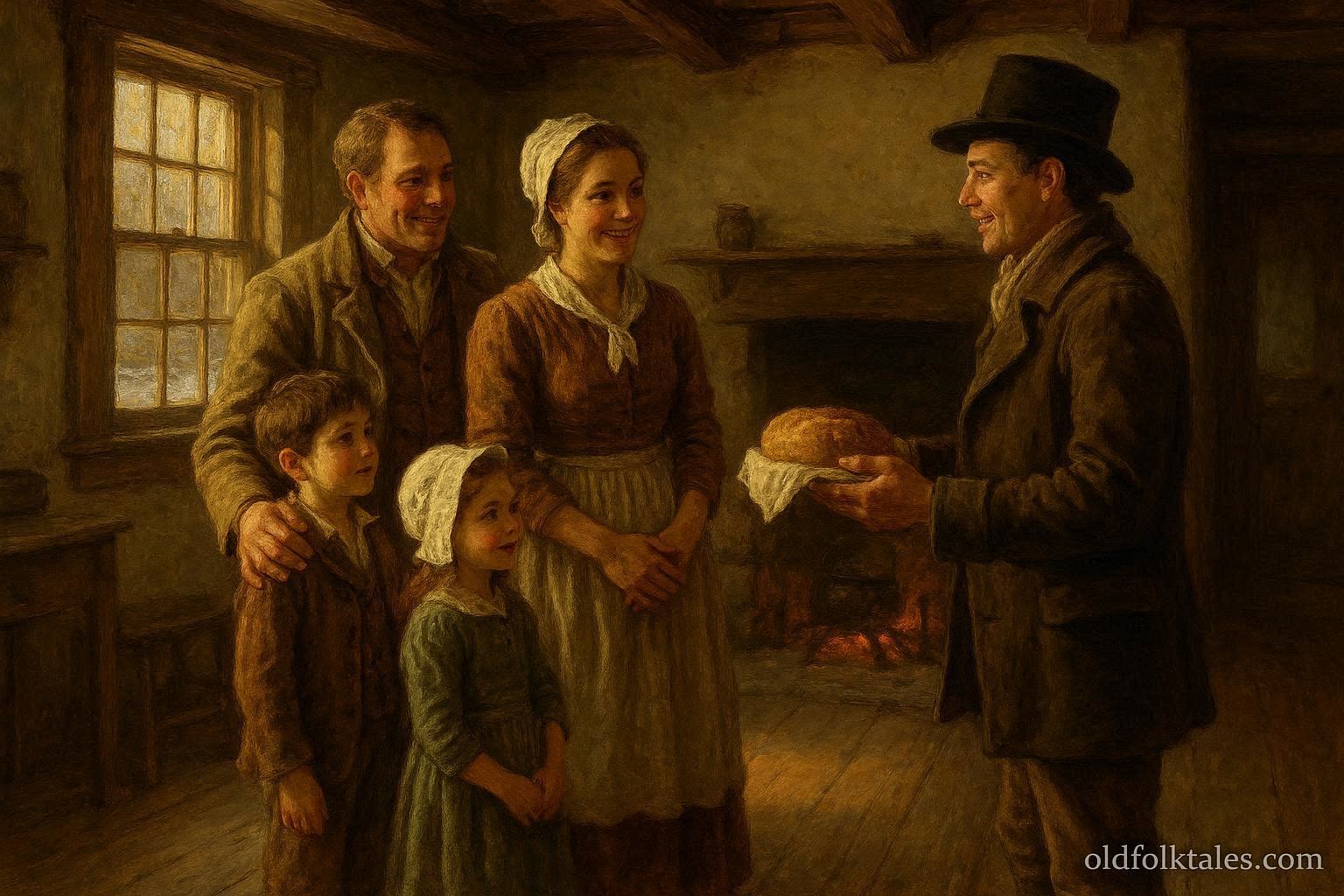
In many American communities, New Year’s Day has long been a time of reflection, renewal, and hope. Beyond the celebrations and gatherings, a deeply held superstition shaped the way families approached the very first moments of the year. It was believed that the identity of the first person to enter a home on New Year’s Day determined the family’s fortune, health, and happiness for the months ahead. This custom was especially strong in rural areas where traditions passed down through generations shaped both daily life and social expectations.
The origins of the superstition can be traced to European settlers who brought with them practices that emphasized luck, blessing, and spiritual influence. Scottish and English immigrants practiced “first-footing,” where the first visitor after midnight carried symbolic significance. These beliefs were adapted to the American context, blending with local customs and the unique rhythms of communities across Appalachia, New England, and the Midwest. Families came to view the first visitor not only as a social greeting but also as a spiritual and moral signal for the year ahead.
In a small cabin in the Pennsylvania hills, a family prepared for the arrival of New Year’s Day with great care. The parents instructed their children to be ready to welcome the first visitor with warmth and respect. They believed that a kind, strong, and generous person entering their home would bring prosperity and good fortune. When the morning light finally crept through the cabin windows, the door opened to reveal a cheerful neighbor who always shared food and stories with the family. The encounter was celebrated as auspicious, and the family recounted that year as one marked by health, good harvests, and happiness.
Encounter the strange and the unseen — from Bigfoot to regional monsters hiding in America’s forests.
There were, however, stories of less fortunate first visitors. In the Ohio Valley, one family recounted that the first person to cross their threshold was a gruff, ill-tempered neighbor. Soon afterward, the family experienced a series of misfortunes, from a barn roof collapsing to a sickly season among their livestock. The tale reinforced the belief that the first visitor carried more than mere footsteps into the house. The visitor was seen as a symbolic conduit of fortune, and their presence influenced both tangible and intangible outcomes.
The superstition extended beyond personality. Height, health, and the physical presence of the visitor mattered. A strong male visitor often signified abundance, stability, and protection for the household. Women, children, or strangers carried influence in different ways, sometimes considered neutral, sometimes capable of unpredictable effects. Objects that the visitor brought with them were also significant. A piece of bread symbolized sustenance, coal represented warmth, and a sprig of evergreen promised resilience. Each detail became part of a complex symbolic language used to interpret luck and prosperity.
Families often took steps to encourage favorable first visitors. Invitations were extended strategically, ensuring that trusted friends or relatives would arrive first. At times, rituals accompanied the entrance of the visitor, including prayers, placing a foot carefully over the threshold, or offering a token of goodwill. These practices highlighted the intersection of intention, spiritual belief, and social etiquette. They reminded communities that fortune could be guided, not merely awaited.
The superstition also fostered stronger bonds within the community. Neighbors were invited, not only to share greetings and gifts but also to participate in a shared system of ritual and belief. The first visitor tradition encouraged care, attentiveness, and moral responsibility. Those who arrived early were welcomed with respect, and those who did not heed the timing were gently reminded of the tradition’s significance. In this way, the superstition promoted community cohesion and a sense of shared identity.
One story from the Appalachian Mountains captures the essence of the superstition. A young couple living in a remote cabin awoke before dawn on New Year’s Day. They were nervous about who might arrive first and what the omen could mean for their household. A knock at the door revealed an elderly neighbor carrying a basket of homemade bread. The couple welcomed him warmly, inviting him to enter and share breakfast. That year, their crops were plentiful, their home was healthy, and the family experienced little hardship. The story passed from generation to generation, illustrating the intertwined nature of superstition, morality, and daily life.
Even as the 20th century progressed and New Year’s celebrations became more commercialized, the superstition persisted. Families continued to tell stories of the first visitor, emphasizing the importance of intentions, kindness, and preparation. While modern Americans may not believe literally that one person can determine a year’s fortune, the ritual’s underlying message remains relevant. It encourages mindfulness, hospitality, and thoughtful attention at transitional moments, reminding people that the way they begin a year can set the tone for what follows.
Anthropologists have noted that the superstition of the first visitor is a prime example of a liminal ritual. The start of the year represents a threshold between the past and the future, a moment of potential and uncertainty. By observing this tradition, communities create a sense of control over an uncertain world. They imbue ordinary interactions with meaning and reinforce moral and social frameworks. The superstition is both a cultural anchor and a practical guide for behavior at a time when people reflect on mortality, prosperity, and human relationships.
Ultimately, the superstition emphasizes the interconnectedness of social, moral, and spiritual life. The first visitor is more than a person crossing a threshold. They symbolize luck, intentions, and the communal values that guide human behavior. By honoring the superstition, families recognize the importance of goodwill, preparedness, and reflection, creating continuity between past traditions and future hopes.
Click to read all American Traditions & Beliefs — the living folklore of daily life, customs, and superstitions.
Moral Lesson
The superstition teaches the value of intentionality, hospitality, and mindfulness at the start of a new year. Welcoming others with respect and kindness can foster social cohesion and set a positive tone for life’s unfolding events.
Knowledge Check
- What did the first visitor on New Year’s Day symbolize?
They were believed to determine the family’s luck for the coming year.
- How could families influence the outcome of the superstition?
By inviting a trusted person, offering tokens like bread or evergreen, and ensuring positive intentions.
- Why was the superstition important for community cohesion?
It encouraged visits, hospitality, and shared cultural rituals among neighbors.
- What attributes of the visitor were thought to affect fortune?
Personality, health, strength, and objects they carried were considered significant.
- Did the superstition have practical as well as symbolic meaning?
Yes, it encouraged mindfulness, preparedness, and moral behavior.
- What broader lesson does the superstition convey?
Intentional actions and respect for others can shape experiences and strengthen social bonds.
Source
Adapted from materials preserved in the University of California Berkeley Folklore Archives
Cultural Origin
American New Year folk traditions