The Grand Opera House of Macon, Georgia, has stood for over a century, its ornate façade a testament to a time when theater reigned as the centerpiece of culture. By day, sunlight highlights its carved stonework and arched windows. By night, however, the building seems to breathe differently. Behind the velvet curtains and along the backstage corridors, performers and crew speak of a figure that moves silently, unseen yet unmistakably present.
Stagehands recount how props occasionally shift without explanation. Costumes hang in perfect order one moment, only to appear subtly rearranged the next. Curtains sway even when no draft is present, and ropes controlling scenery tighten or loosen by themselves. At first, these occurrences were shrugged off as quirks of the old building. As incidents repeated, a sense of intentionality became clear—someone or something seemed to be observing and interacting with the theater without appearing.
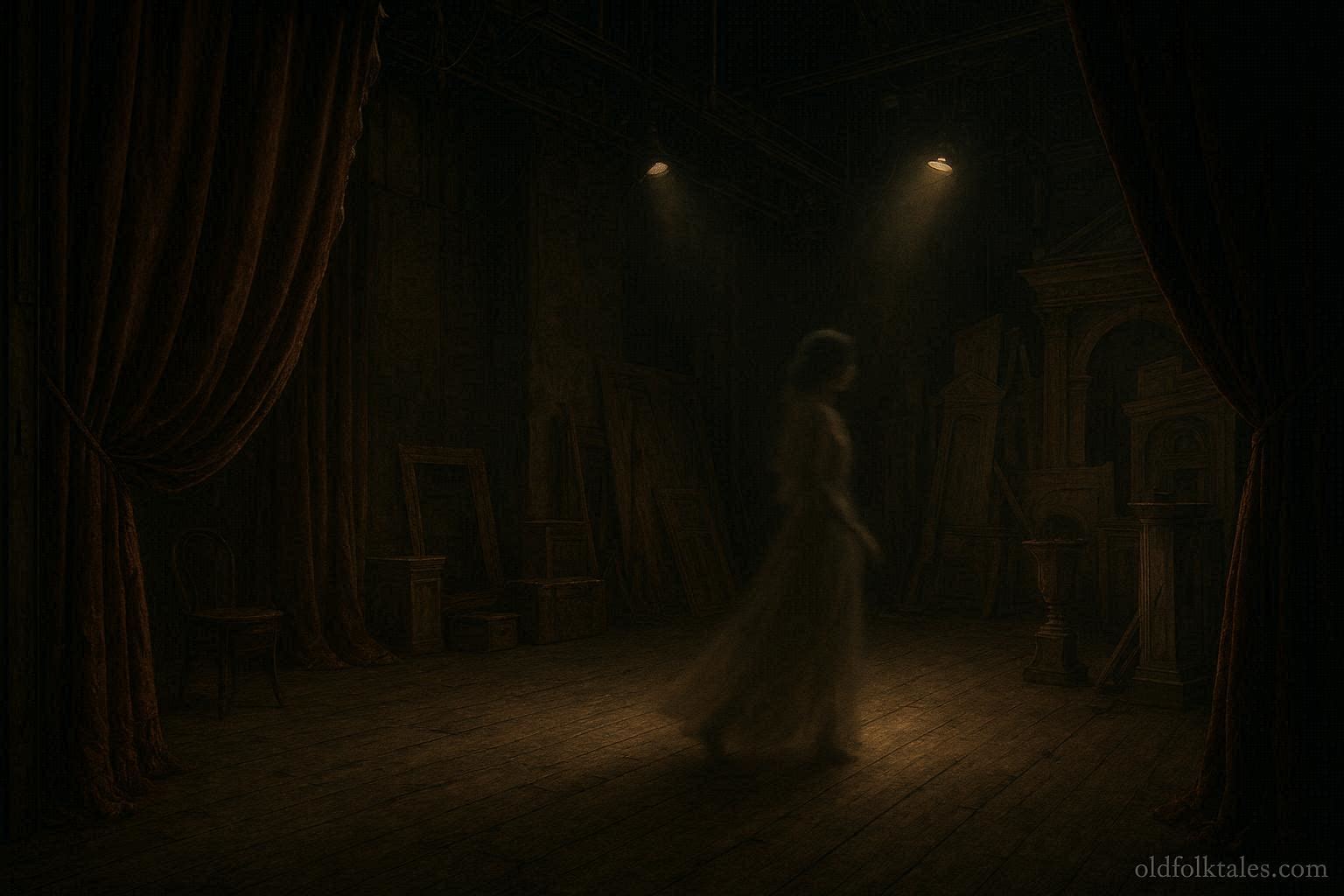
Actors and singers have shared similar experiences. Out of the corner of their eyes, they sometimes glimpse a shadow gliding along the wings or near the orchestra pit. The figure never approaches directly, but its presence is undeniable. Instruments occasionally produce soft notes when no one is near, and faint whispers can be heard during rehearsals. The phenomenon seems most active before performances, as if preparing the stage in unseen ways.
Explore ancient Native American creation myths and the symbolic tales that shaped America’s belief systems.
Local lore suggests the phantom is tied to the theater’s long history. Stories mention a former performer who perished in the building decades ago, possibly during a rehearsal accident. Some claim that her spirit lingered, devoted to the art she loved and unwilling to leave the space that defined her life. Others suggest it could be a caretaker spirit, ensuring that the stage remains orderly and ready for the next show.
The phantom is described consistently across multiple reports: a human-shaped shadow, faintly discernible under dim lights, moving with purpose but without sound. It never speaks, interacts physically, or harms anyone. Its presence feels more like observation and maintenance than menace. Staff and performers have learned to anticipate its movements, leaving items slightly aside or giving the figure room to “pass” during setup.
Audience members rarely notice the phantom, yet some have reported sudden chills or feelings of being watched during performances. These sensations often coincide with unseen activity backstage, lending credence to stories told by the cast and crew. The collective experiences suggest that the opera house itself harbors a layer of memory, consciousness tied to the building’s long use and history of dedication to the arts.
Visitors who respect the theater and its traditions tend to report positive encounters. The phantom seems to reward attentiveness and care, and some performers believe that acknowledging the presence quietly fosters better fortune during shows. In this way, the legend has become part of the building’s cultural fabric, reinforcing respect for both performance and history.
Despite repeated sightings, no photograph has ever captured the phantom clearly. Attempts to document it on camera usually result in blurred images or nothing at all. Some interpret this as a deliberate choice by the spirit, reinforcing the idea that it exists for those who notice and appreciate the subtle signs rather than for spectacle.
Over the years, the Haunted Opera House Phantom has become a symbol of the dedication, artistry, and continuity of the performing arts in Macon. Its presence reminds everyone who enters that the theater is not just a space for entertainment but a living repository of stories, effort, and memory. The shadow backstage ensures that the past and present remain connected, whispering that devotion endures beyond life itself.
Step into shadowy legends of restless spirits and ghostly travelers in American Ghost Stories.
Moral Lesson
Dedication and respect leave an imprint that can endure far beyond our time. Caring for shared spaces and honoring their history fosters harmony between the living and those who came before.
Knowledge Check
- Where is the phantom primarily observed?
Answer: Backstage areas and near the orchestra pit of the Grand Opera House. - What does the phantom do to props and costumes?
Answer: Shifts or rearranges them without explanation. - Does the phantom pose any physical threat to performers?
Answer: No, its presence is non-threatening. - How is the phantom most often described visually?
Answer: As a faint, human-shaped shadow moving silently. - Why do some believe the spirit remains in the theater?
Answer: It may be tied to a performer who died there or a caretaker devoted to the stage. - How do performers or staff typically respond to the presence?
Answer: They respect it, anticipate its movements, and treat the space with care.
Source
Adapted from regional folk tales of the Grand Opera House haunting.
Cultural Origin
Macon, Georgia