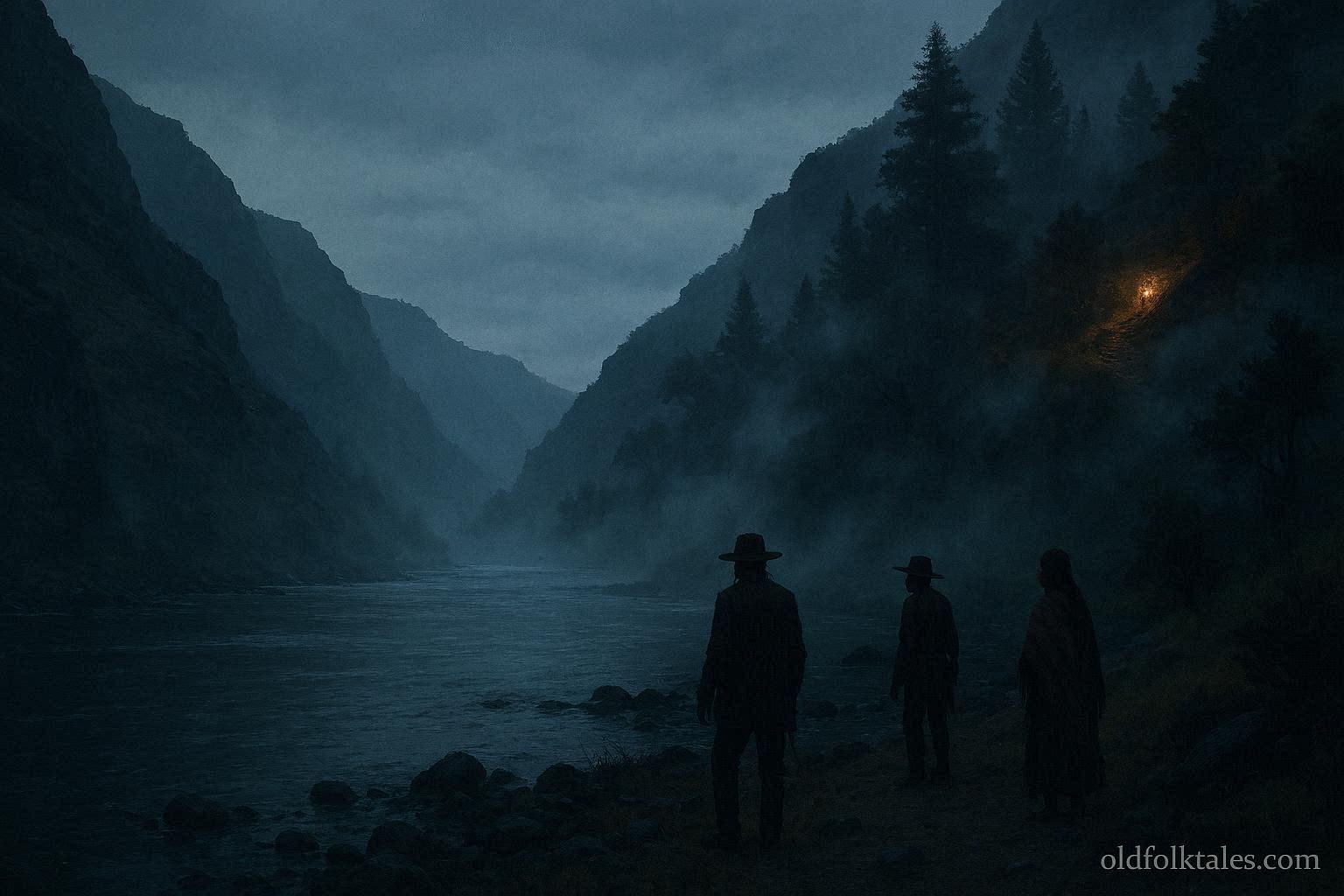
Hells Canyon in Idaho stretches as the deepest river gorge in North America, a rugged expanse where jagged cliffs rise sharply from the Snake River below. During the day, the canyon is a place of stark beauty, where sunlight dances across sheer rock faces and the river winds lazily between the cliffs. The sound of rushing water fills the air, and wildlife moves unseen among the rocks and forests. But as dusk approaches, the landscape takes on a different quality. Shadows deepen, the temperature drops, and the vast isolation becomes palpable.
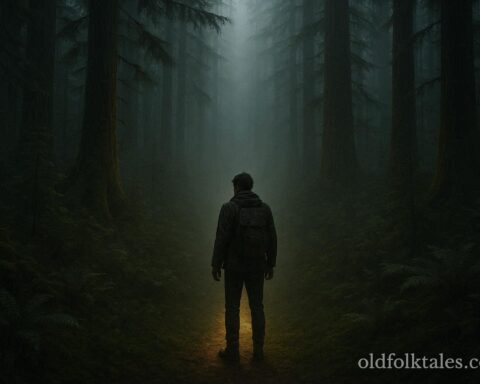
It is during these twilight hours that many visitors and locals report something unusual. Figures appear along the riverbanks, sometimes standing motionless, sometimes moving slowly along paths that are otherwise untraveled. These figures are rarely seen clearly. Observers often catch glimpses of shapes just at the edge of vision, disappearing when attention is focused directly on them. Some describe the forms as human-like, dressed in clothing from another era, while others suggest they appear more like spectral outlines illuminated faintly by the last light of the sun.
The first reports of these ghostly sightings date back decades. Anglers, hikers, and guides who traverse the riverbanks recount feeling watched or sensing presences when no one else is around. On particularly quiet evenings, the sounds of footsteps crunching over rocks or faint voices carrying across the water have been reported. These sounds often appear to come from locations where no person could possibly be present, adding to the mystery and unease.
Step into America’s cultural roots — from folk healing and weather lore to seasonal celebrations.
Many stories suggest that the figures are linked to the canyon’s long and sometimes violent history. Native American tribes, fur trappers, and early settlers all traveled through or lived near Hells Canyon. Conflicts, accidents, and tragedies have left their mark on the landscape, and some believe that the unusual sightings are echoes of those who perished or whose lives were intertwined with the rugged terrain. Locals often tell tales of lost miners, river guides, or travelers who vanish mysteriously, and some connect the ghostly figures to these historical events.
The isolation of Hells Canyon intensifies the experience. With little to interrupt the natural sounds of the river and wind, even ordinary noises seem amplified. A branch snapping underfoot or the distant call of a bird can sound like movement just beyond sight. Visitors attuned to these sounds often report heightened senses, noticing details they might otherwise overlook. The perception of figures, shadows, or movement may be partially influenced by the mind attempting to interpret the subtle and shifting elements of the canyon environment.
Despite natural explanations, some encounters defy rational interpretation. Anglers have described seeing figures standing on rocks in the middle of the river, only to vanish when approached. Hikers recount glimpsing shapes moving across slopes where no trail exists. The shapes sometimes appear for several minutes, observing silently before disappearing into the shadows of the canyon walls. These experiences create an eerie sense that the canyon itself is aware, holding memories of the people who traveled, worked, and sometimes died along its cliffs.
The ghost stories of Hells Canyon are preserved alongside other folklore of the Pacific Northwest. Scholars at Boise State University have documented oral histories and firsthand accounts, collecting tales of both natural and supernatural experiences. These stories are not merely entertainment but reflect the ways communities interpret the dangers and mysteries of remote and challenging landscapes. They serve to warn travelers, preserve history, and deepen the sense of wonder surrounding the canyon.
Even today, those who venture into Hells Canyon are cautioned to respect the natural environment and the stories passed down through generations. The combination of isolation, dramatic geography, and long human history creates an environment ripe for mysterious sightings. Many who witness these phenomena report leaving with a profound sense of connection to the land and its stories, feeling both awe and caution as they navigate the riverbanks and trails.
The canyon’s ghostly figures are a reminder of the enduring presence of history in the natural world. They highlight the way human memory and folklore intertwine with the environment, transforming ordinary landscapes into places of mystery and reflection. The tales encourage visitors to observe, listen, and approach the land with humility, acknowledging that Hells Canyon holds secrets far beyond what the eye can see.
Hells Canyon remains a destination for adventurers, historians, and those curious about the unexplained. Whether the figures are real, imagined, or somewhere in between, the stories enrich the experience of the canyon, inviting those who travel its trails and waterways to consider both the physical and the historical landscapes that shape this remarkable place. The ghostly accounts do more than frighten. They preserve the memory of human lives and struggles and ensure that the depth and majesty of Hells Canyon is appreciated not only for its scenery but for the echoes of its past.
Click to explore all American Ghost Stories — haunting legends of spirits, lost souls, and mysterious places across the U.S.
Moral Lesson
Respect for the natural environment and awareness of history can deepen understanding and appreciation of the places we explore.
Knowledge Check
- What canyon is the story set in?
Hells Canyon - What unusual phenomena are reported?
Shadowy figures, footsteps, and faint voices along riverbanks - When do most sightings occur?
At dusk or during twilight - Who historically lived and traveled through Hells Canyon?
Native American tribes, fur trappers, early settlers - What natural factors may influence sightings?
Isolation, echoing sounds, shadows, and environmental perception - What is one cultural explanation for the figures?
They are echoes of past lives or spirits tied to the canyon’s history
Source
Adapted from materials preserved by Boise State University
Cultural Origin
Pacific Northwest folklore