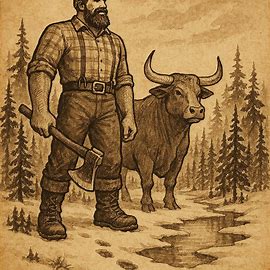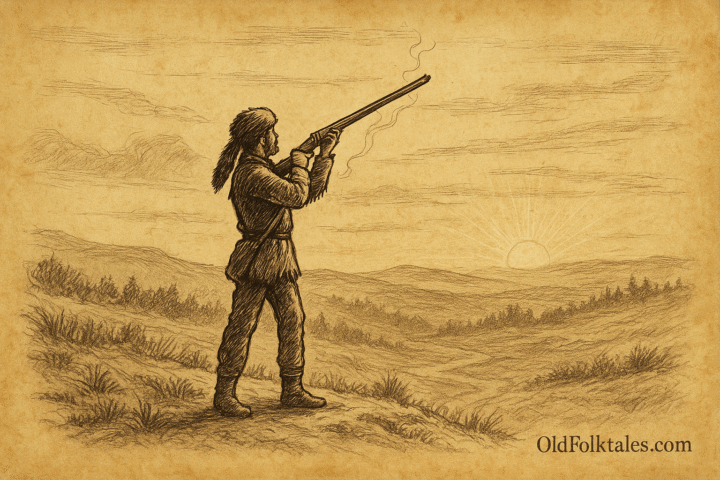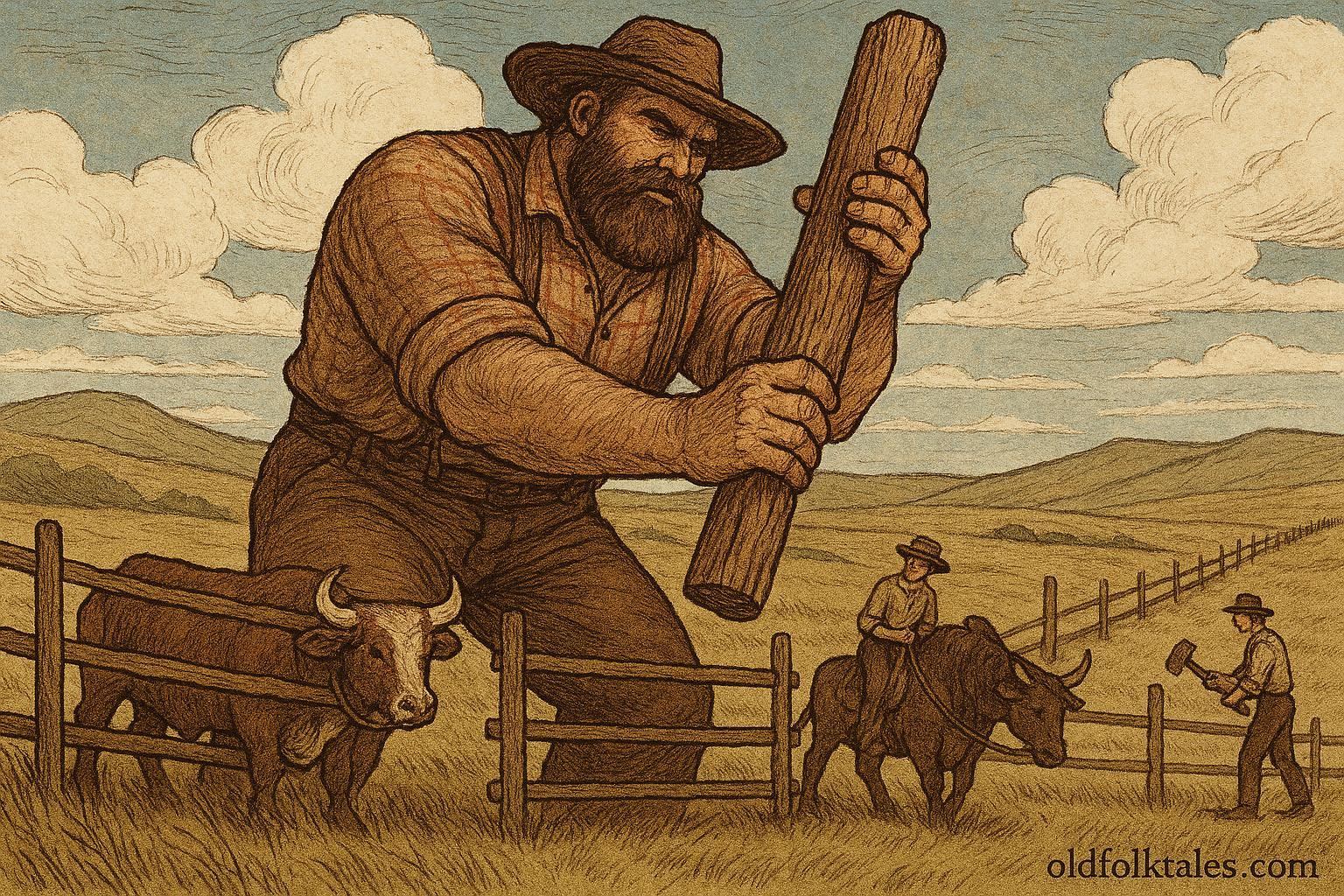
Across the rolling plains of the Great Plains, where the horizon stretched endlessly under a wide sky, settlers worked tirelessly to carve farms from the open prairie. Among these hardworking pioneers, stories arose of extraordinary men known as the Frontier Fence Builders. These were not ordinary homesteaders; they were larger-than-life figures capable of feats that seemed impossible. According to legend, they could erect miles of fence in a single day, bending and lifting timber with the strength of giants, shaping the landscape of the plains and safeguarding the communities that depended on their labor.
The first tales tell of a young settler named Thomas “Iron Arm” McCallister, whose reputation spread across counties. One summer, a storm had knocked down miles of fencing, leaving livestock scattered and crops unprotected. As neighbors gathered to help, Thomas stepped forward, lifting enormous fence posts with ease and driving them into the hard prairie soil while other men struggled to dig even a single hole. By sunset, the fence stretched uninterrupted for miles, a feat that seemed to defy human capability. People spoke in awe of his strength, and children whispered about how his arms could bend iron and carry bundles of timber as if they were feathers.
Yet the stories were never merely about brute force. The Frontier Fence Builder legends emphasized ingenuity and problem-solving. Thomas and his counterparts could find ways to anchor posts in shifting prairie soil, weave wire taut over long distances, and plan fence lines that withstood storms, floods, and wandering cattle. Tales describe them coordinating teams with precision, using levers, pulleys, and clever techniques to multiply their already incredible strength. By weaving skill with stamina, they became folk heroes who transformed the practical work of settlement into acts of legend.
Discover chilling ghost tales and haunted places that echo through America’s towns and countryside.
One particularly famous account tells of a fence-building contest between two neighboring settlements. Both communities challenged their strongest men to see who could complete a new boundary first. Thomas arrived late but, with a few bellowed instructions and the help of his oxen, lifted, drove, and stretched the fence across the entire contest area before the others had finished a single post. Spectators claimed that the posts seemed to leap into the ground under his touch, and the wire tightened itself as if guided by magic. By the time the sun set, the fence stretched uninterrupted for more than ten miles, and Thomas had become a household name in every prairie cabin.
Local folklore also imbued these legends with moral and cultural significance. The Frontier Fence Builders were symbols of settlement pride and community resilience. Their extraordinary labor represented more than physical strength; it symbolized determination, courage, and ingenuity in the face of hardship. Livestock and crops depended on fences for survival, and the ability to erect boundaries quickly and efficiently protected the community from chaos. In this way, the exaggerated feats became a form of inspiration, teaching young settlers that effort, skill, and cooperation could overcome any challenge, even those that seemed insurmountable.
Some stories included playful exaggerations. Tales spoke of a Fence Builder lifting a post so large it took a team of oxen to help him, or pulling wire that stretched across three counties without the need for a spool. Neighbors recounted that one man built an entire fence while sleeping, and another supposedly repaired storm damage faster than the wind could tear it down. While these accounts were obviously fantastical, they captured the imagination of prairie communities and became a shared cultural touchstone, blending everyday life with heroic myth.
The legends also celebrated community values. The builders were never portrayed as selfish; their efforts benefited neighbors and friends. Even when strength was superhuman, the emphasis was on using it responsibly to aid others. Tales frequently highlighted teamwork, humor, and ingenuity alongside raw power. Some stories describe young apprentices learning under a master Fence Builder, absorbing techniques for post placement, wire tension, and layout planning. These mentorship elements reinforced the idea that heroism is not only in performing extraordinary feats but in teaching and uplifting others along the way.
Over decades, the Frontier Fence Builder Strength Legend became a fixture of Midwestern folklore. Stories were shared in local gatherings, written in newspapers, and collected in regional archives, preserving a uniquely American version of the tall tale. Modern readers and historians alike see these tales as a reflection of pioneer resilience, human ingenuity, and the imagination of settlers who transformed the open prairie into productive, thriving communities. They remind us that heroism in everyday labor, when magnified through storytelling, can inspire generations and become a cornerstone of cultural identity.
Even today, visitors to the Great Plains can hear echoes of these legends. Campfire storytellers, historical reenactments, and folklore collections keep alive the vision of men lifting posts that seemed impossible to move, stretching miles of fencing in a single day, and protecting their communities with strength, courage, and resourcefulness. The Frontier Fence Builder Strength Legend endures as a celebration of the American pioneer spirit, blending historical labor with imaginative exaggeration to create a timeless hero myth.
Moral Lesson
Extraordinary feats are possible when courage, skill, and community-minded effort come together. True heroism lies in using strength and talent to protect and uplift others.
Knowledge Check
- Who were the central figures in the Frontier Fence Builder legends?
Homesteaders known for extraordinary strength who built miles of fence - What practical purpose did the fences serve for prairie communities?
They protected livestock, crops, and settlements from chaos and damage - How did ingenuity factor into the heroes’ legendary feats?
They used clever techniques like levers, pulleys, and careful planning alongside physical strength - Why were mentorship and teamwork emphasized in the stories?
Experienced builders taught younger settlers, demonstrating that heroism includes guiding others - What kinds of exaggeration appear in the legends?
Stories include lifting enormous posts, stretching wire across miles, and completing work in impossible time - Why is the Frontier Fence Builder legend considered an American hero myth?
It celebrates human strength, ingenuity, perseverance, and community service in frontier life
Source
Adapted from Midwestern folklore archives
Cultural Origin
Great Plains rural storytelling