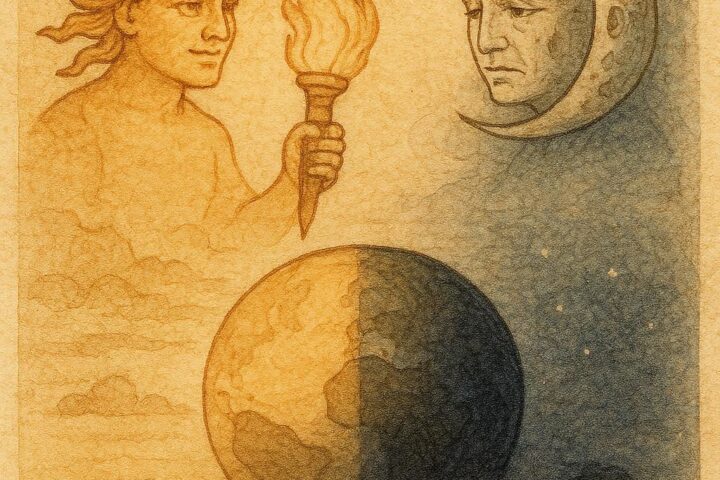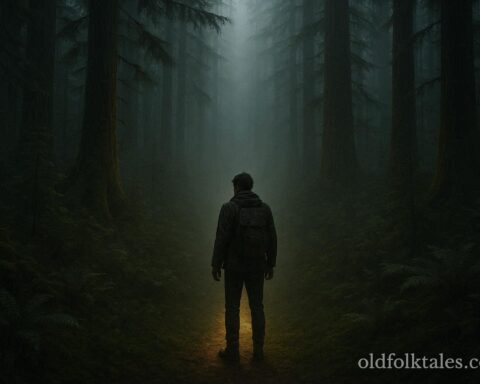
Darkness once covered the world in a way that people found difficult to endure. Night brought fear, silence, and uncertainty, with very little light to guide those who moved after sunset. The stars were faint, and the Moon did not yet shine as it does now. Life during the night felt incomplete, as though something important was missing.
Among the beings who lived during this time was a clever trickster known for his curiosity and mischief. He was always searching for ways to outsmart others, often causing trouble in his attempts to gain something for himself. His actions were not always harmful, but they rarely came without consequences.
One evening, while wandering across the land, the trickster began to wonder why the sky held so much light during the day but so little at night. He believed that somewhere in the sky, hidden from view, there must be extra light that could be taken.
This thought grew into a plan.
Step into America’s cultural roots — from folk healing and weather lore to seasonal celebrations.
The trickster decided that he would steal light from the sky and use it for himself. He imagined how powerful he would become if he controlled such a thing. He would no longer need to fear the darkness, and others might even admire him for his cleverness.
With determination, he set out to carry out his plan.
Through cunning and persistence, the trickster found a way to reach the place where the sky’s light was kept. It was guarded carefully, but the trickster was patient. He watched, waited, and learned the patterns of those who protected it.
At the right moment, he acted.
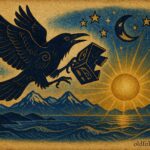
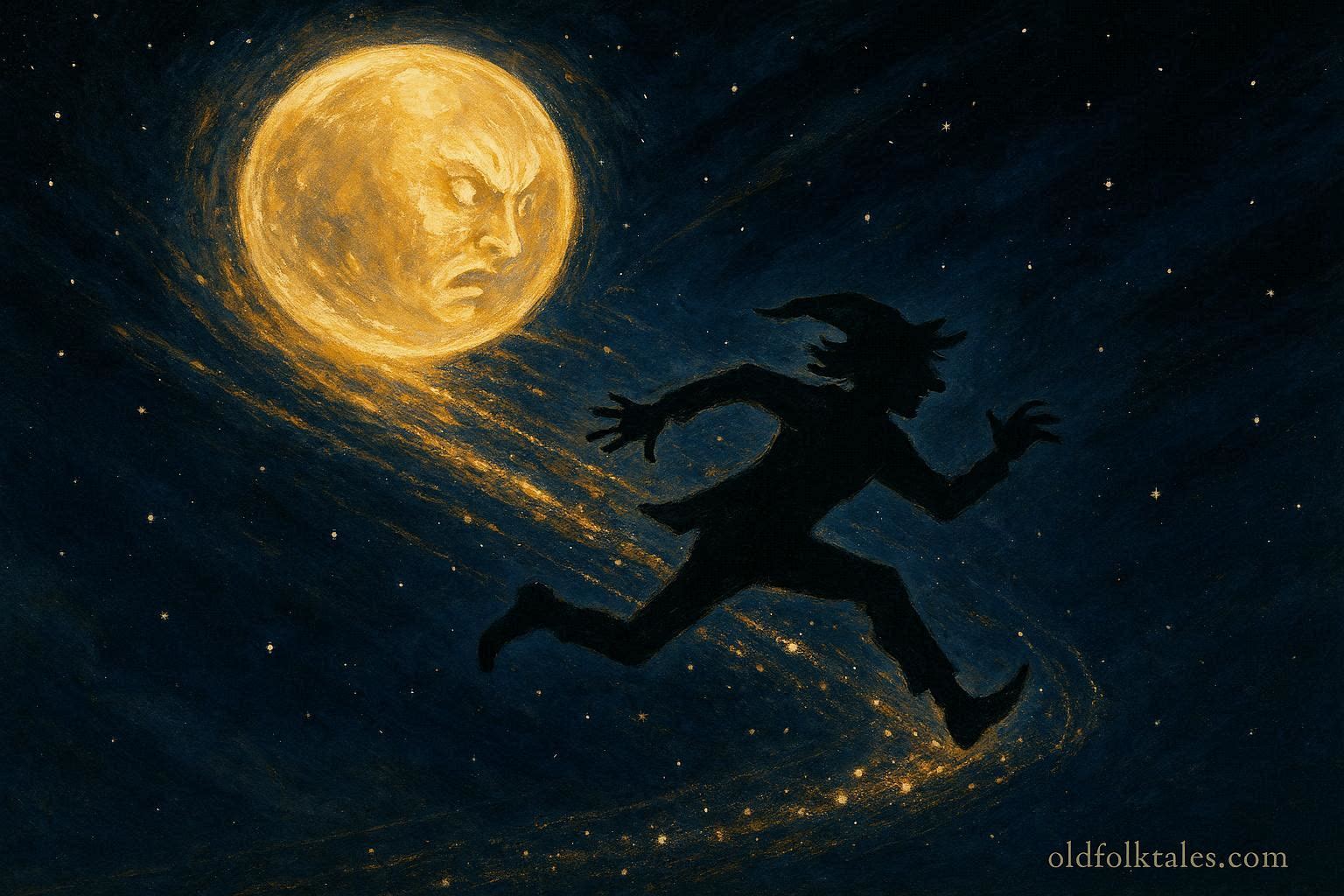
He took a portion of the hidden light and fled, holding it close as he raced across the sky. The moment he escaped, the balance of the world shifted. The darkness was broken, but not in the way it was meant to be.
The Moon, which had been calm and distant, became aware of what had happened.
The stolen light was not meant to be taken or controlled. It belonged to the natural order of the world. Seeing the imbalance, the Moon began to move.
For the first time, it followed.
The trickster, realizing he was being pursued, ran faster. He moved across the sky, trying to escape the Moon’s steady presence. But no matter how far he went, the Moon followed.
This chase became a constant movement.
Each night, the Moon rose and followed the path of the trickster. Sometimes it came close, lighting up the sky brightly. Other times, the trickster managed to stay just ahead, and the Moon appeared smaller and dimmer.
The changing shape of the Moon was said to reflect this endless pursuit.
As the trickster grew tired, the light he had stolen began to fade and shift. He could not fully control it. What he had taken was too powerful to belong to one being alone.
The Moon continued its steady chase, never rushing, never stopping.
People on Earth began to notice the pattern.
They saw how the Moon moved across the sky night after night. They observed how its shape changed, sometimes full and bright, sometimes thin and barely visible.
Elders explained that this was the result of the trickster’s actions.
The Moon was restoring balance, slowly and patiently, by following the one who had disrupted it.
The story became a lesson about greed and consequences.
The trickster had wanted power and control, but instead he gained a burden he could not escape. The Moon did not act out of anger, but out of responsibility. Its movement ensured that the stolen light would never remain in one place for too long.
Over time, the chase itself became part of the natural order.
The Moon’s journey across the sky brought light to the night, helping people travel, hunt, and live with greater ease. What began as an act of mischief became a source of balance, though it came with a reminder.
The trickster was never free.
He remained ahead, always running, always chased.
The Moon remained behind, constant and watchful.
Even today, when the Moon rises and moves across the sky, the story is remembered.
It is said that the chase still continues.
The light that fills the night is not just a gift, but a reminder of what happens when balance is disturbed.
The Moon follows, not to punish endlessly, but to ensure that harmony is never completely lost.
Moral Lesson
Greed and selfish actions can lead to lasting consequences, while balance and responsibility help restore harmony.
Knowledge Check
- Why did the trickster steal light from the sky?
He wanted to control the light and gain power for himself. - What happened after the trickster stole the light?
The balance of the world was disturbed, and the Moon began to chase him. - Why does the Moon follow the trickster?
To restore balance and keep the stolen light from remaining in one place. - What explains the changing shape of the Moon in the story?
It reflects the ongoing chase between the Moon and the trickster. - What problem did the trickster face after stealing the light?
He could not control it and was forced to keep running forever. - What lesson does the story teach about actions and consequences?
Selfish actions can create problems that last and cannot easily be escaped.
Source
Adapted from materials preserved in the Smithsonian Institution Bureau of American Ethnology Archives
Cultural Origin
Algonquin traditions