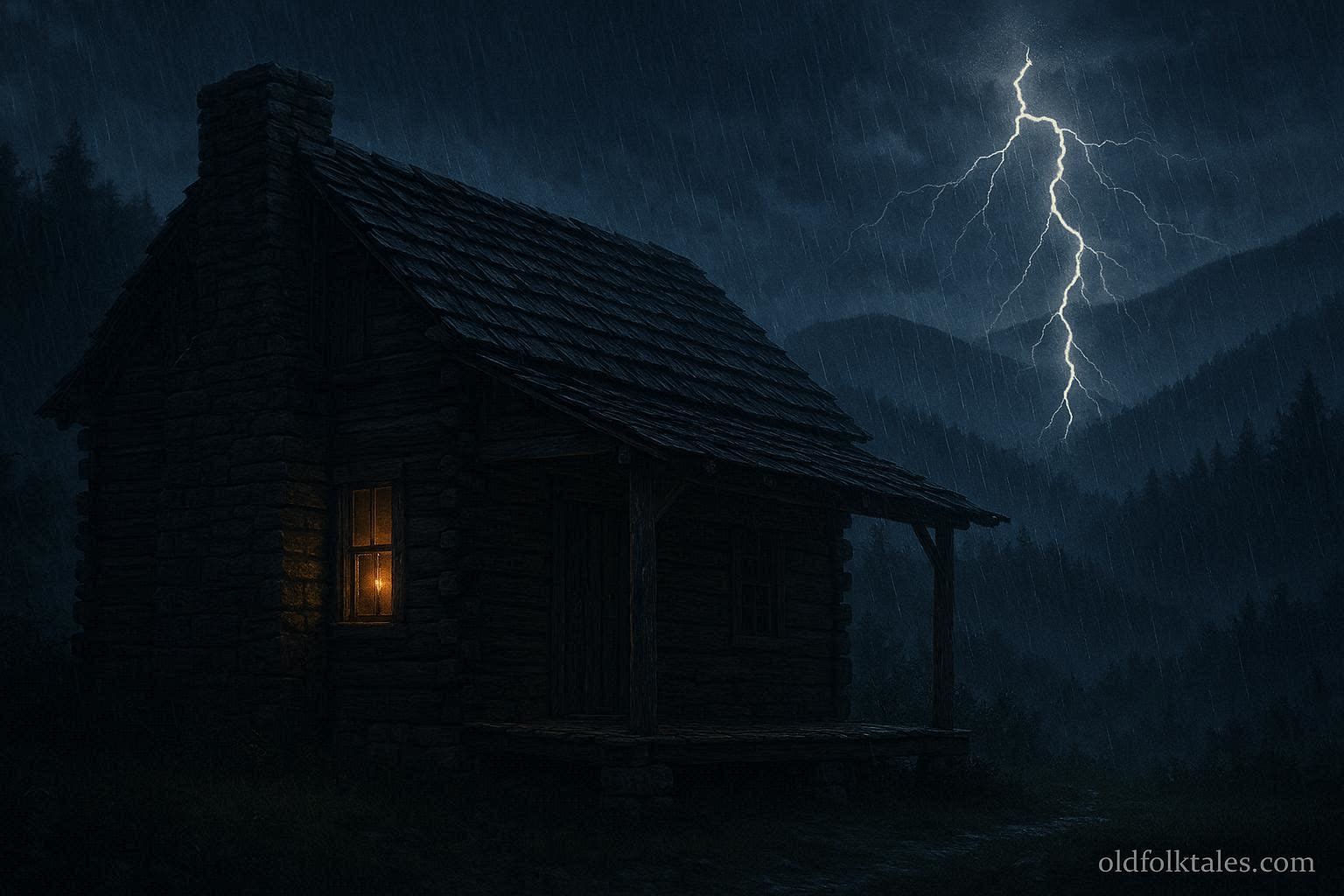
High in the Appalachian Mountains, storms could appear suddenly and violently. Dark clouds rolled over the ridges, thunder echoed through the valleys, and lightning flashed across the sky with frightening power. For families living in wooden cabins scattered across the hills, these storms were more than dramatic displays of nature, they were dangerous events that could damage homes, destroy crops, or start fires. In response to this constant threat, many Appalachian communities developed traditions meant to protect their homes and loved ones during severe weather. One of the most enduring beliefs involved the storm candle.
According to Appalachian folklore, lighting a particular type of candle during a thunderstorm could shield a house from lightning strikes and destructive winds. The candle was often placed in a window or near a doorway where its flame could be seen clearly. Families believed that the gentle glow acted as a spiritual safeguard, guiding protection toward the home while keeping danger away.
The belief was especially common in isolated mountain communities where people depended on their own traditions and faith to face natural dangers. Storm candles were sometimes blessed during church ceremonies or lit during special prayers. In many households, the candle was kept carefully stored and only brought out when thunderclouds gathered over the mountains.
Explore ancient Native American creation myths and the symbolic tales that shaped America’s belief systems.
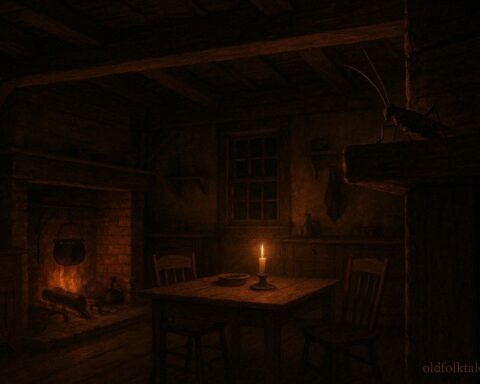
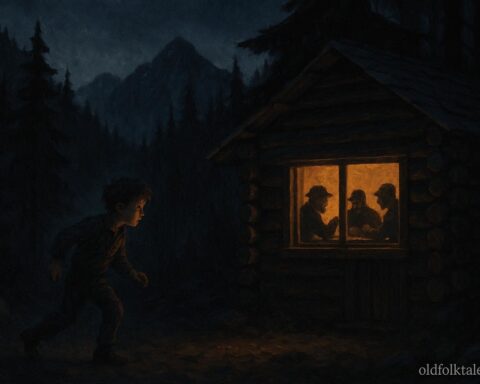
One story often told in Appalachian communities describes a small family cabin sitting on a hillside above a narrow valley. One summer evening, a fierce thunderstorm approached quickly, filling the sky with dark clouds and flashes of lightning. The wind rattled the cabin’s wooden walls while thunder rolled across the hills.
Inside the cabin, the family gathered near the hearth. The grandmother, who had learned many old traditions from her parents, calmly took out the storm candle and placed it on the windowsill. She lit the wick while quietly saying a prayer for protection. The small flame flickered gently as rain began to fall against the roof.
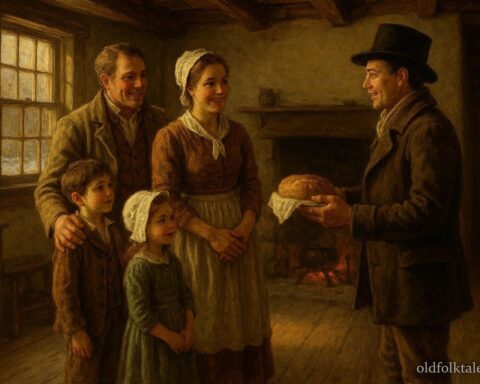
As the storm grew stronger, lightning struck trees and rocks throughout the valley. Several neighbors later reported seeing brilliant flashes on nearby ridges. Yet the family’s cabin remained untouched. When morning arrived and the storm finally passed, the candle had burned quietly through the night. To the family, this was clear proof that the candle had protected their home.
Stories like this spread through Appalachian communities and strengthened the belief in storm candles. Some people said the candles worked because they were blessed during church services. Others believed the flame symbolized faith and protection, discouraging harmful forces from approaching the home. Regardless of the explanation, the ritual brought comfort to families facing powerful storms.
In many households, lighting the storm candle became a small but meaningful tradition. Children were taught to remain calm when thunder sounded, while adults prepared the candle and said prayers together. The ritual gave families a sense of control during frightening weather, helping them face storms with courage and hope.
Even after modern lightning rods and improved weather forecasting became common, the legend of the storm candle continued to be passed down. Some families kept the tradition alive as a cultural memory of earlier generations who relied on faith, community knowledge, and simple rituals to endure the challenges of mountain life.
Today, the storm candle is remembered as part of Appalachian folklore, a symbol of resilience, belief, and the human desire to protect home and family from the unpredictable forces of nature. While science explains storms in terms of weather patterns and electricity, the old story of the candle still carries meaning. It reminds people how traditions can offer comfort, unity, and hope during moments of fear.
Click to read all American Traditions & Beliefs — the living folklore of daily life, customs, and superstitions.
Moral Lesson
The story teaches that traditions and shared beliefs can help communities face natural dangers with courage and unity. Even simple rituals can provide comfort during uncertain times.
Knowledge Check
- What was the storm candle believed to protect homes from?
Lightning strikes, strong storms, and dangerous weather.
- Where was the candle usually placed during a storm?
In a window or near a doorway where its light could be seen.
- Why did families trust the storm candle’s protection?
Because many stories claimed homes stayed safe after the candle was lit.
- Who often lit the candle in traditional Appalachian households?
Usually an elder or family member who knew the old traditions.
- What other action sometimes accompanied lighting the candle?
Prayers or blessings for protection.
- What does the storm candle tradition represent today?
A cultural memory of Appalachian faith, resilience, and community traditions.
Source
Adapted from materials preserved in the University of Kentucky Appalachian Center
Cultural Origin
Appalachian American traditions