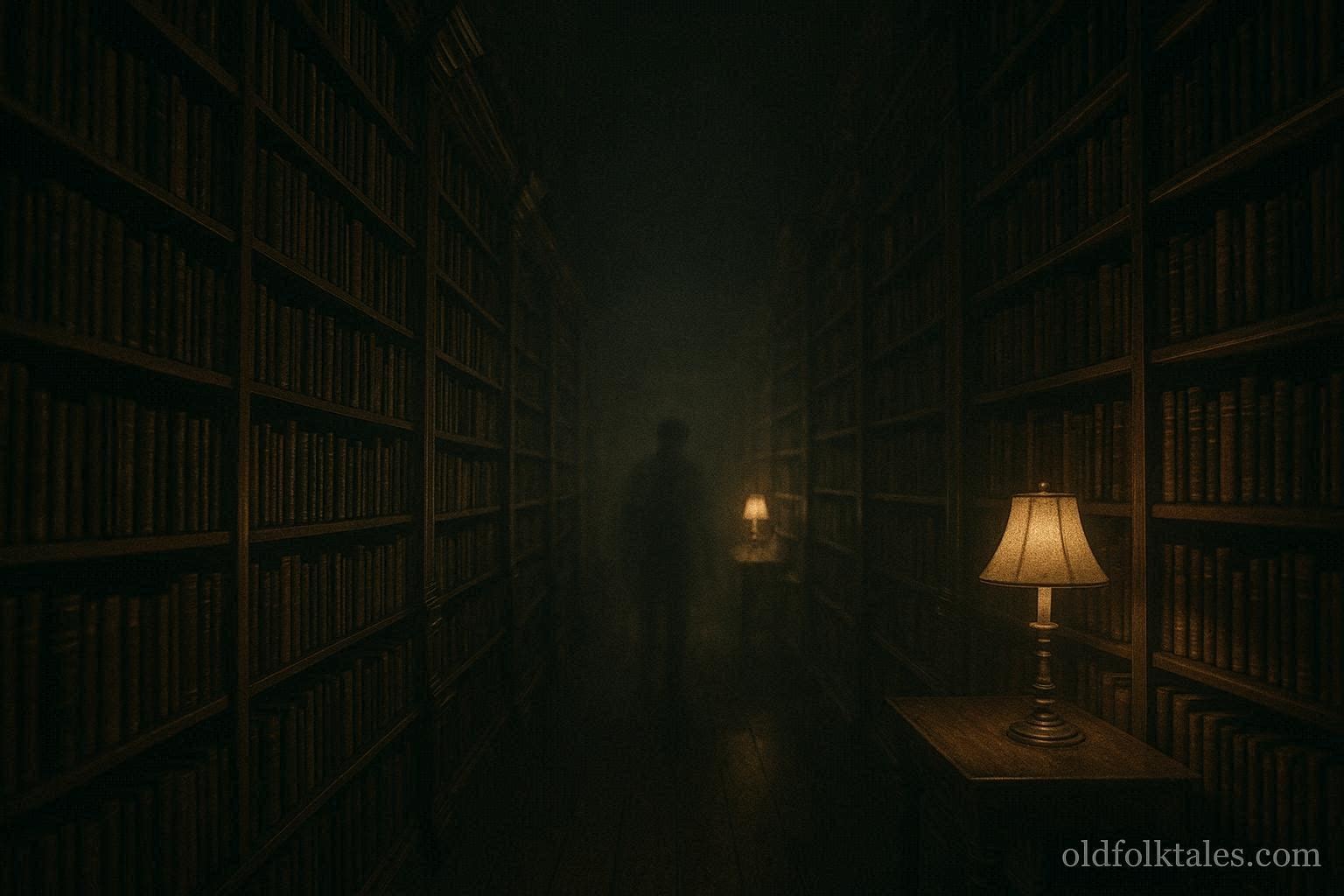
The public library in Peoria, Illinois, has long been a hub of learning, quiet study, and community activity. Among the stacks of books and reading tables, however, a different kind of presence has been reported by staff and visitors alike. Over the years, accounts of books falling from shelves, unexplained knocking, and footsteps echoing through empty aisles have sparked tales of a library ghost quietly wandering the halls. These stories have become part of Peoria’s urban folklore, illustrating the intersection of everyday life, history, and the supernatural.
Librarians and night staff are most often the witnesses to these phenomena. Many describe ordinary workdays ending with routine closing procedures, only to encounter strange disturbances once the building is empty. Books have been known to topple from high shelves without warning, and chairs occasionally shift positions as if someone had just used them. Staff members report hearing faint footsteps following them through the aisles, whispers that seem to come from nowhere, and the creak of doors opening and closing when the library should be silent.
One particularly compelling story involves a librarian working late to organize newly returned books. As she approached the history section, a series of heavy tomes suddenly fell from the shelves in a neat line, despite the shelves being securely fastened and undisturbed earlier. Upon inspecting the surrounding area, she found no signs of misplacement or structural issues. Soon after, she felt a sudden chill pass by her, and the faint sound of someone walking on the upper floor echoed through the empty building. She later recounted the event to colleagues, who shared similar experiences and stories passed down from previous generations of staff.
Step into America’s cultural roots — from folk healing and weather lore to seasonal celebrations.
Historical records of the library suggest that the building was constructed in the early twentieth century on the site of a former community hall. Some researchers speculate that the ghostly activity may be linked to previous occupants or events, including long-forgotten meetings and early 1900s educational programs held in the same location. The library’s architecture, with its tall ceilings, narrow corridors, and wooden shelving, may enhance sound and movement, adding to the impression of a lingering presence.
Paranormal investigators visiting the library have documented anomalies, including sudden drops in temperature in certain aisles, inexplicable shadows captured on camera, and faint voices on audio recordings. Some visitors have described feeling an invisible hand brush against them, while others report seeing fleeting shapes between the stacks. Skeptics suggest that air currents, building settling, or acoustics could explain some events, but the consistency of reports from different people over decades adds credibility to the legend.
The Peoria library ghost legend also reflects broader cultural themes. Libraries are spaces of knowledge, memory, and preservation, and the idea of a lingering presence aligns symbolically with these concepts. The ghost is often described not as malevolent but as watchful or curious, maintaining a silent guardianship over the books and those who use the space. In this way, the phenomenon serves as a reminder of respect for communal spaces, careful stewardship of knowledge, and acknowledgment of history.
Visitors who hear about the ghost often feel a mix of excitement and unease when walking through the library. Local storytellers incorporate these tales into guided tours, emphasizing both the history of Peoria and the mysterious events that have been reported. The legend encourages imagination and curiosity while preserving a sense of connection to the past, blending factual history with elements of folklore.
Over time, the library ghost has become a point of local pride and intrigue. Annual ghost tours and special evening events highlight the stories of books moving, mysterious sounds, and unexplained shadows, drawing enthusiasts, students, and tourists. Many participants report a heightened awareness of the building’s atmosphere, experiencing the quiet tension between ordinary reality and the possibility of something unseen.
The Library Ghost of Peoria illustrates how ordinary places can take on extraordinary qualities through stories and experiences. It emphasizes the human fascination with the unknown and our tendency to interpret unusual events as evidence of lingering presences. At the same time, the legend preserves the history of the library and its role in the community, embedding cultural memory into the narrative of a haunted space.
Click now to read all American Legends — heroic tales where truth and imagination meet, defining the American spirit.
Moral Lesson
The legend teaches respect for places of knowledge and the importance of stewardship. It reminds us that history and memory linger in spaces we may take for granted and that curiosity should be tempered with reverence for the past.
Knowledge Check
- Where is the library ghost legend reported?
At the public library in Peoria, Illinois. - What types of phenomena are commonly reported?
Books falling, footsteps in empty aisles, doors opening, and cold spots. - Who most often encounters the ghost?
Librarians and night staff working after hours. - What historical connections might explain the presence of the ghost?
The building was constructed on the site of a former community hall with early educational programs and events. - How do local visitors and storytellers use the legend?
They incorporate it into tours, cultural storytelling, and community engagement. - What does the ghost symbolize in Peoria folklore?
Curiosity, guardianship of knowledge, and connection to the city’s past.
Source
Adapted from materials preserved in the Illinois State Library Historical Collections
Cultural Origin
Illinois urban folklore